Iguana Habitat
Cancún, Mexico
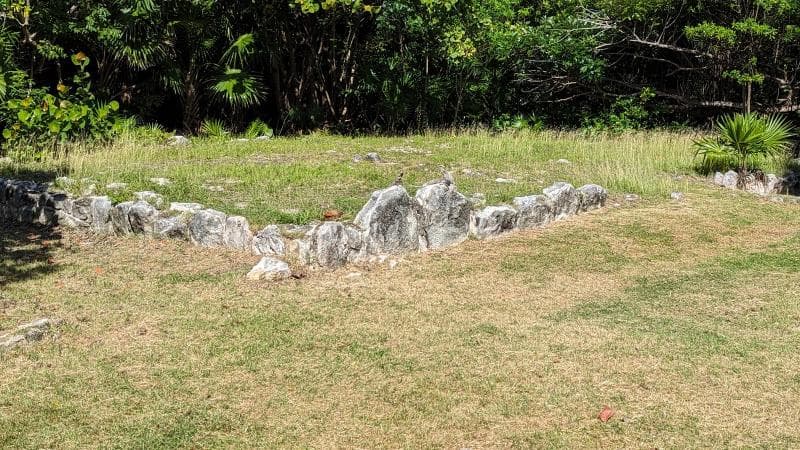
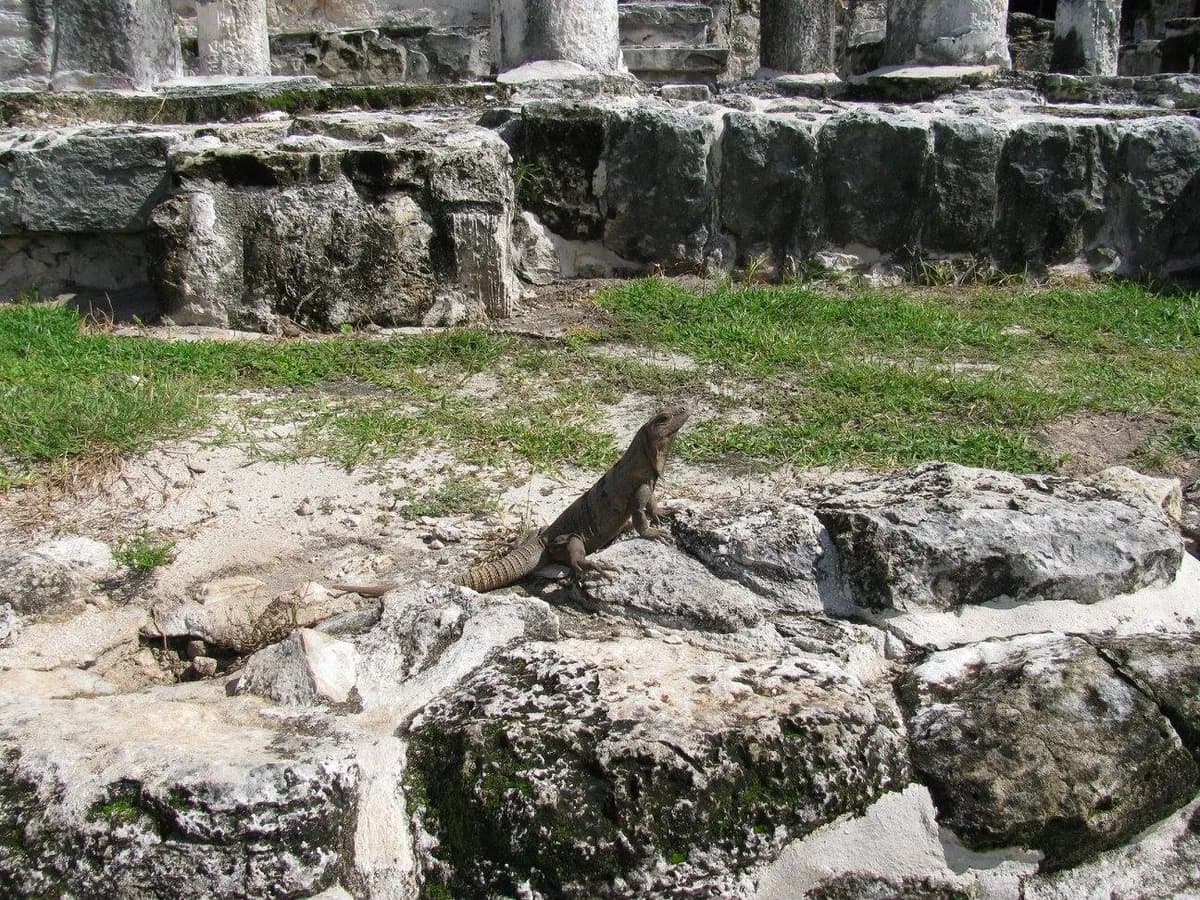
Explore the Iguana Habitat at El Rey Ruins in Cancún, Mexico. Discover ancient Mayan history alongside hundreds of resident iguanas in this unique archaeological site.
Overview
Nestled within the bustling Hotel Zone of Cancún, Mexico, the El Rey Ruins offer a captivating journey back in time to the ancient Mayan civilization. More than just a collection of historical structures, El Rey is renowned for its unexpected and vibrant 'Iguana Habitat,' where hundreds of iguanas freely roam among the archaeological remains, creating a unique blend of history and nature.
This smaller, more intimate archaeological site provides a serene escape from the typical tourist crowds, allowing visitors to explore Mayan history in a tranquil setting. The iguanas, accustomed to human presence, have become an integral part of the site's charm, offering an engaging and memorable experience for all who visit.
History & Cultural Background
The El Rey archaeological site, whose original Mayan name remains unknown, is believed to have been an active settlement from as early as 300 AD, reaching its peak importance between 1300 and 1550 AD during the Late Postclassic period. Its strategic location between the Caribbean Sea and the Nichupté Lagoon made it a vital fishing village and a crucial trading port within the extensive Mayan coastal network. Archaeologists have uncovered evidence of fishing and salt extraction as primary activities of its early inhabitants.
The name 'El Rey,' meaning 'The King' in Spanish, was given to the site after the discovery of an anthropomorphic sculpture believed to represent a monarch or a noble figure in 1909. This sculpture's head is now preserved at the nearby Mayan Museum of Cancún. The ruins comprise 47 stone structures, including platforms, plazas, and a pyramid-temple complex, showcasing the architectural prowess of the Mayan people. Some structures even retain faint traces of ancient mural paintings, offering a glimpse into the artistic and religious life of this ancient community.
What Makes It Special
What truly sets El Rey apart from other Mayan sites is the thriving 'Iguana Habitat.' Hundreds of iguanas have made these ancient ruins their home, basking on the sun-warmed stones, darting among the structures, and often posing for photographs. These reptiles, predominantly green iguanas, have grown accustomed to human interaction, adding a fascinating, living dimension to the historical landscape.
Unlike the grandeur of larger sites like Chichen Itza, El Rey offers a more intimate and accessible introduction to Mayan heritage. Its compact size allows visitors to explore the entire site, including its impressive main pyramid and ceremonial platforms, within a relatively short period, often without the large crowds found elsewhere.
Stories, Fun Facts & Local Details
- A Living Legacy: The iguanas at El Rey are not merely an attraction; they are an integral part of the ecosystem, maintaining a natural balance within the ruins. Their presence creates a unique juxtaposition of ancient history and thriving wildlife.
- Tame Residents: While some sources mention park guides feeding them, making them quite tame, visitors are generally advised not to feed, pet, or bother the iguanas. However, observing them up close is still a highlight for many.
- Royal Connections: The site is thought to have served as a burial ground for Mayan royalty or an important astronomical center, reflecting its significance beyond just a trading port.
- Hidden Gems: Despite being in the heart of Cancún's Hotel Zone, El Rey often feels like a hidden gem, providing a peaceful retreat where the ancient world and the natural world beautifully converge.
Visitor Perspective
Visiting El Rey Ruins with its 'Iguana Habitat' is an immersive experience. Travelers often describe the feeling of stepping back in time, surrounded by the echoes of a powerful civilization, while simultaneously being charmed by the dozens of iguanas that share the space. The ruins offer excellent photo opportunities, not only of the ancient structures but also of the striking iguanas against the backdrop of the Caribbean sky.
It's easily accessible by local buses or taxis from anywhere in Cancún's Hotel Zone. The site is generally not crowded, especially if visited during off-peak hours, allowing for a more personal and contemplative exploration. Visitors can typically spend an hour or so wandering through the 47 structures, admiring the architecture and observing the abundant reptilian residents. Remember to wear comfortable shoes and bring water, as shade can be limited on sunny days.
Coordinates: -86.7758, 21.0669
View on Google Maps💬 How Travelers Describe This Place
Based on community votes
Must See
896Photogenic
585Unique
550Interesting
56Beautiful
28
Traveler Stories
Discover memorable experiences shared by travelers who have visited this place.
No traveler stories yet.
Be the first traveler to share what made this place memorable.

Tour
By
Spot
Discover amazing places around the world. Your journey starts here.
Explore
© 2026 TourBySpot. All rights reserved.