Huanghuacheng
Beijing, China
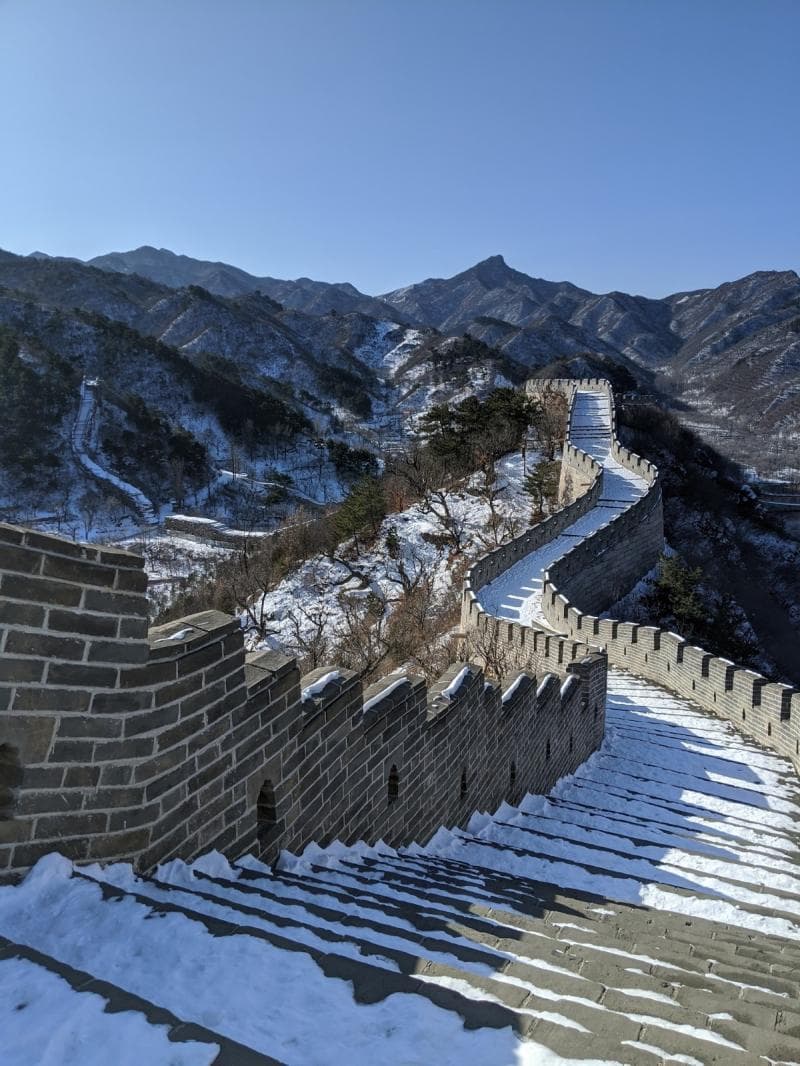
Discover Huanghuacheng, the unique 'Water Great Wall' in Beijing, China, where ancient fortifications meet serene lakes. Explore its Ming Dynasty history and picturesque landscapes.
Overview
The Huanghuacheng section of the Great Wall of China, nestled in Beijing's Huairou District, offers a truly distinctive experience for travelers. Unlike its more frequented counterparts, Huanghuacheng is famously known as the 'Water Great Wall' due to significant portions of the ancient fortification being partially submerged in the serene Haoming Lake, also referred to as Jintang Lake or Huanghuacheng Reservoir. Located approximately 60 to 75 kilometers north of downtown Beijing, this section presents a harmonious blend of rugged mountains, tranquil waters, and the timeless stone structure of the Great Wall. Its name, 'Huanghuacheng', literally translates to 'Yellow Flower City', a tribute to the vibrant yellow wildflowers that carpet the hillsides during the summer months. Visitors often find Huanghuacheng to be a more peaceful and less crowded alternative, providing an opportunity for a serene exploration away from the bustling tourist hubs. It stands recognized as a national AAAA-level scenic spot, highlighting its exceptional natural and cultural significance.
History & Cultural Background
The construction of the Huanghuacheng Great Wall commenced around 1404, two years prior to the Ming Dynasty's capital relocation to Beijing, and extended over an impressive span of 188 years. Its strategic importance during the Ming Dynasty was paramount; it served not only as a crucial northern defense against nomadic invaders for Beijing but also played a vital role in safeguarding the nearby imperial burial grounds, which would later become known as the Ming Tombs. This dual purpose underscores its significance in Ming military and cultural history. The dramatic 'water' aspect of Huanghuacheng is a more recent development, resulting from the construction of a reservoir in the 1950s, which led to parts of the ancient wall becoming partially submerged. This unforeseen integration of man-made structure and natural elements has inadvertently created the unique spectacle we see today.
What Makes It Special
Huanghuacheng's allure lies in its distinctive features, setting it apart from other Great Wall sections. Foremost among these is the extraordinary sight of the 'Water Great Wall', where ancient battlements dramatically plunge into and re-emerge from Haoming Lake. This unique watery embrace is found nowhere else in Beijing's Great Wall sections, making it a truly exceptional photographic subject and a marvel to witness. The serene lakeside scenery offers a refreshing contrast to the typical mountain ridge hikes, allowing for boat tours and tranquil walks along the shore, combining the grandeur of the north with a touch of southern charm. Moreover, Huanghuacheng remains less developed and therefore less crowded than famous sections like Badaling or Mutianyu, providing a more authentic and contemplative experience of this historical wonder. Another remarkable feature is the Ming Dynasty Chestnut Garden, home to over a hundred ancient chestnut trees, some dating back more than 800 years. These trees were planted by the Ming soldiers stationed here, serving as a vital food source and a testament to the daily lives of those who guarded the empire. Visitors can explore both well-preserved, restored sections and more 'wild', unrestored parts of the wall, offering diverse hiking experiences.
Stories, Fun Facts & Local Details
The very name 'Huanghuacheng'—'Yellow Flower City'—is a charming local detail, deriving from the spectacular display of yellow wildflowers that bloom across the hillsides each summer. A captivating legend surrounds the construction of this section. General Cai Kai, who painstakingly oversaw its building, was tragically executed by Emperor Wanli based on false accusations of shoddy workmanship and excessive spending. However, a subsequent imperial investigation revealed the wall's exceptional quality. Filled with remorse, the emperor ordered a memorial for General Cai and inscribed the characters 'Jin Tang' (金汤), meaning 'impregnable fortress', on a massive rock face beneath the wall, ensuring the general's legacy and giving Huanghuacheng one of its alternative names, Jintang Great Wall. This tale imbues the stones with a poignant human story of diligence, injustice, and ultimate recognition. Locals often refer to the 'Sanjue', or 'Three Uniques', of Huanghuacheng: the majestic wall encircling Haoming Lake, the sections dramatically separated by water, and the ancient Ming Dynasty Chestnut Garden, each contributing to its singular character.
Visitor Perspective
For the curious traveler, Huanghuacheng offers an unparalleled opportunity to connect with history and nature. It is particularly well-suited for those who appreciate hiking, photography, and a more immersive, less commercialized experience of the Great Wall. The trails vary in difficulty, catering to both casual walkers and more seasoned hikers, allowing everyone to find their pace amidst the stunning landscapes. Beyond hiking the Wall itself, visitors can enjoy a range of activities, including boating on Haoming Lake, exploring the picturesque peninsula, or wandering through the historic chestnut garden. During the warmer summer months, designated areas even offer the chance for swimming in the reservoir. While some sections can be steep, making appropriate footwear advisable, the overall experience is one of tranquility and breathtaking views. Huanghuacheng is easily accessible from Beijing via public transportation or private car/tour, making it an ideal day trip for those seeking a unique perspective on China's most iconic landmark. The entrance fee is typically affordable, ranging from 45 to 60 CNY, with additional options for boat rides.
Coordinates: 116.34488, 40.40868
View on Google Maps💬 How Travelers Describe This Place
Based on community votes
Must See
540Photogenic
252Unique
147Beautiful
114Interesting
19
Traveler Stories
Discover memorable experiences shared by travelers who have visited this place.
No traveler stories yet.
Be the first traveler to share what made this place memorable.

Tour
By
Spot
Discover amazing places around the world. Your journey starts here.
Explore
© 2026 TourBySpot. All rights reserved.