Houseboats
Amsterdam, Netherlands
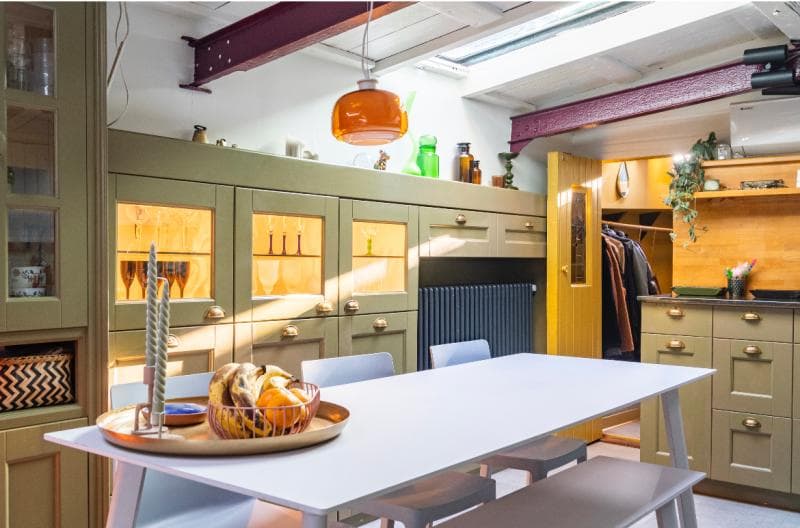
Explore Amsterdam's iconic houseboats in the Canal Ring. Discover their rich history, unique culture, and what makes living on water so special in the Netherlands.
Overview
The enchanting waterways of Amsterdam's Canal Ring, a UNESCO World Heritage site, are not merely picturesque backdrops; they are home to a vibrant community living on houseboats. These floating residences, known as 'woonboten' in Dutch, are an iconic and integral part of the city's unique charm, blending historical significance with a distinctive way of life. Far from being a novelty, houseboats represent a deeply ingrained aspect of Amsterdam's urban fabric, offering a serene counterpoint to the bustling city life on land.
Strolling along the Herengracht, Keizersgracht, and Prinsengracht – the three main canals – visitors are treated to a continuous exhibition of these diverse floating homes. From traditional converted barges to sleek, modern floating villas, each houseboat tells a story of adaptation, community, and a profound connection to Amsterdam's aquatic environment. These homes are fully integrated into the city's infrastructure, equipped with modern amenities and utilities, making them comfortable and highly sought-after residences.
History & Cultural Background
The history of houseboats in Amsterdam is as rich and winding as its canals. While there were instances of people living on the water as early as the seventeenth century, often foreign traders, houseboats as a widespread residential phenomenon truly took root after World War II. The post-war era brought a severe housing shortage to Amsterdam and across Europe, and simultaneously, many cargo ships and barges became redundant as transport shifted from water to road.
This convergence of need and availability led many to convert these old vessels into makeshift homes, offering an affordable solution to the housing crisis. Initially, living on a houseboat was often associated with poverty or an alternative, bohemian lifestyle, attracting artists, students, and free spirits in the 1960s and 70s. However, as their popularity grew, the municipality began to regulate houseboat living in the 1970s and 80s. This involved establishing official mooring permits ('ligplaatsen') and requiring connections to city services such as electricity, water, and sewage systems.
Today, houseboats are fully legal residences, connected to the city grid and even taxed like traditional land-based homes. They have evolved from a necessity into a cultural icon, representing a unique blend of practicality, romance, and Dutch identity.
What Makes It Special
Life on an Amsterdam houseboat offers a truly distinctive experience, marrying the vibrancy of city living with the tranquility of being on the water. Residents enjoy peaceful surroundings and often unparalleled views of the canals, along with a unique connection to nature, even in the heart of the city. The community among houseboat owners is often described as tight-knit and supportive, fostering a sense of camaraderie that is a hallmark of this unconventional lifestyle.
There are generally two types of houseboats in Amsterdam: the classic 'house-ship' ('woonschip'), which is a converted old cargo vessel, and the 'ark,' a purpose-built floating home constructed on a concrete pontoon. While converted ships retain their historical charm, many modern arks boast luxurious interiors, large windows, and eco-friendly features like solar panels and living roofs. These innovations highlight a commitment to sustainable living on the water, making houseboats a progressive example of urban dwelling.
Stories, Fun Facts & Local Details
With approximately 2,500 to 2,900 houseboats gracing Amsterdam's waterways, they are a significant feature of the urban landscape. Obtaining a mooring permit for a houseboat is notoriously difficult, as the city has limited new allocations, making existing houseboats highly valuable and sought after. This scarcity has led to a fascinating shift: what was once a budget-friendly housing option has transformed into a prestigious, often expensive, form of living. Locals sometimes humorously refer to owners of particularly lavish houseboats as 'wateryuppies.'
For those curious about the daily realities of houseboat life, the Houseboat Museum, located on the Prinsengracht, offers a unique glimpse. This museum is housed within the 'Hendrika Maria,' a former cargo ship built in 1914 and converted into a residential houseboat in 1967. Visiting provides insight into the surprisingly spacious and cozy interiors, showcasing how these vessels were adapted for comfortable living.
An intriguing detail of houseboat logistics involves moving these homes. Modern houseboats are typically built in shipyards outside the city and then carefully floated into Amsterdam. Tugboats are often employed to navigate them to their permanent mooring spots. In a clever, quintessentially Dutch solution to low bridges, owners sometimes place barrels or tanks on the deck, fill them with canal water to lower the boat, and then empty them once safely past.
Visitor Perspective
For a curious traveler, observing the houseboats along the Amsterdam Canal Ring is an essential part of the city experience. Whether seen from charming canal bridges, on a guided canal cruise, or simply while walking the picturesque streets, these floating homes offer a constant source of visual interest and cultural insight.
To delve deeper into this unique lifestyle, a visit to the Houseboat Museum is highly recommended. It offers a tangible experience of living on the water, allowing visitors to explore the interiors of a historical houseboat and understand its evolution. For those dreaming of a more immersive experience, many houseboats are available for short-term rental, providing a memorable and authentic way to stay in Amsterdam, complete with waterside views and the gentle sway of canal life. When observing houseboats, remember that they are people's homes, and respectful distance is always appreciated.
Coordinates: 4.884727, 52.371979
View on Google Maps💬 How Travelers Describe This Place
Based on community votes
Beautiful
873Interesting
477Unique
422Photogenic
157Must See
53
Traveler Stories
Discover memorable experiences shared by travelers who have visited this place.
No traveler stories yet.
Be the first traveler to share what made this place memorable.

Tour
By
Spot
Discover amazing places around the world. Your journey starts here.
Explore
© 2026 TourBySpot. All rights reserved.