Holy Spring Temple
Bali, Indonesia
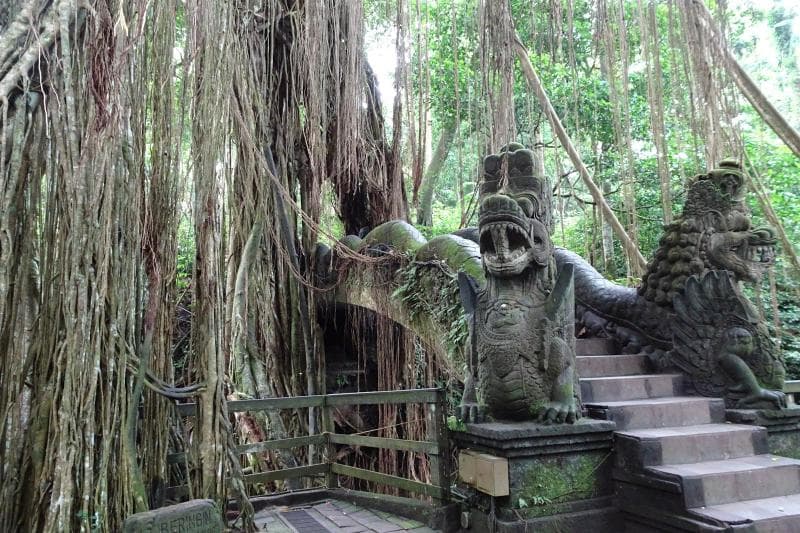
Discover Holy Spring Temple (Pura Beji) within Bali's Sacred Monkey Forest Sanctuary, Indonesia. Explore its history, purification rituals, and cultural significance.
Overview
Nestled within the lush embrace of the Sacred Monkey Forest Sanctuary in Ubud, Bali, lies the revered Holy Spring Temple, locally known as Pura Beji. This ancient temple is one of three significant sacred sites within the sanctuary, serving a profound spiritual purpose for the Balinese Hindu community. Situated in the northwestern part of the forest, Pura Beji is dedicated to the goddess Gangga, the personification of holy water in Hinduism. It is a tranquil bathing temple where purification rituals, known as 'Melukat', are performed, offering spiritual and physical cleansing. The temple's serene ambiance, combined with the vibrant natural surroundings and the playful presence of long-tailed macaques, creates a unique tapestry of culture, spirituality, and nature that is characteristic of Bali.
History & Cultural Background
The origins of the temples within the Sacred Monkey Forest Sanctuary, including Pura Beji, trace back to the mid-14th century, during the historical period associated with the Pejeng or early Gelgel dynasty in Bali. This era was pivotal in the development of Balinese temple systems and village organization. Pura Beji holds deep historical and spiritual significance, believed to have been built around 1350 AD. Its purpose as a holy spring purification temple remains central to the spiritual life of the local Padangtegal village.
The sanctuary's entire existence, and by extension, the temples within it, are guided by the Balinese Hindu philosophy of Tri Hita Karana. This philosophy emphasizes the harmonious relationship between humans, the environment, and God. Pura Beji embodies this principle by highlighting the sacredness of water and its vital role in spiritual well-being. It is a place where nature, represented by the holy spring and the surrounding forest, directly facilitates a connection with the divine through ancient rituals.
What Makes It Special
What truly sets Pura Beji apart is its direct connection to a natural holy spring. This spring is not merely a source of water but is imbued with sacred significance, believed to possess purifying powers. The temple's architectural elements are intricately carved, featuring mythical creatures like nagas (divine serpents) and various forest-inspired motifs, blending seamlessly with the verdant jungle environment. These carvings often depict the harmonious relationship between humans, nature, and the spiritual realm.
While the Sacred Monkey Forest is renowned for its playful macaques, the area around Pura Beji often offers a more subdued and mystical atmosphere. The presence of these revered animals, considered sacred in Balinese culture and believed to protect the area, adds another layer of mystique to the temple. The sound of flowing water, combined with the dappled sunlight filtering through ancient trees, creates a profound sense of peace and spiritual reverence, making it a unique spot for quiet contemplation within the lively sanctuary.
Stories, Fun Facts & Local Details
Pura Beji is primarily used for 'Melukat', a purification ritual that Balinese Hindus perform to cleanse themselves spiritually and physically. This ritual is often undertaken before important religious ceremonies ('piodalan') to ensure purity of mind and body. Locals also visit the temple for daily blessings and cleansing. Visitors might observe devotees respectfully collecting water or engaging in personal prayers at the spring.
A charming local detail is the tradition of throwing coins into the holy spring pool to make wishes, a practice that adds a touch of hopeful interaction for visitors and locals alike. The temple's location by a creek in the forest's northwest corner means it's often accessed via ancient stone paths and bridges, some adorned with unique dragon carvings. This blends the natural world with spiritual symbolism, illustrating the Balinese belief that divine forces reside in all aspects of nature. The presence of the monkeys, freely roaming and interacting with their sacred environment, serves as a living testament to the interconnectedness that the Balinese culture cherishes.
Visitor Perspective
As a visitor to the Sacred Monkey Forest Sanctuary, encountering Pura Beji offers a glimpse into authentic Balinese spiritual practices. While the inner sanctums of the temples are generally reserved for Balinese Hindus participating in ceremonies and wearing traditional attire, visitors can respectfully admire the temple's intricate architecture and soak in its spiritual ambiance from designated viewing areas. Pathways lead to and around the temple, allowing for close observation of its unique carvings and the natural spring.
The area around Pura Beji is often described as one of the quieter, more introspective parts of the sanctuary, away from the main thoroughfares where monkeys are most active. This allows for a more contemplative experience, enabling travelers to appreciate the deep cultural and historical roots of the site. It is a powerful reminder that the Sacred Monkey Forest is not just a wildlife reserve but a living temple complex, an active spiritual center where ancient traditions continue to thrive. Observing the solemnity of the rituals and the reverence shown by locals provides a meaningful cultural insight that enriches the overall visit to this iconic Balinese destination.
Coordinates: 115.25853292433248, -8.518798840984633
View on Google Maps💬 How Travelers Describe This Place
Based on community votes
Interesting
791Photogenic
514Unique
457Beautiful
252Must See
19
Traveler Stories
Discover memorable experiences shared by travelers who have visited this place.
No traveler stories yet.
Be the first traveler to share what made this place memorable.

Tour
By
Spot
Discover amazing places around the world. Your journey starts here.
Explore
© 2026 TourBySpot. All rights reserved.