Holocaust Gallery
Warsaw, Poland
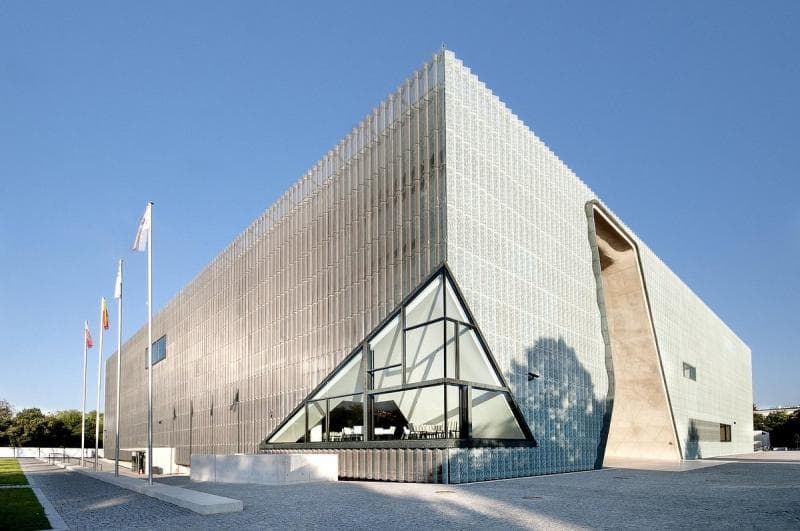
Explore the profound Holocaust Gallery at POLIN Museum of the History of Polish Jews in Warsaw, Poland, detailing a millennium of Jewish life and the tragedy of WWII.
Overview
The Holocaust Gallery, nestled within the profound POLIN Museum of the History of Polish Jews in Warsaw, Poland, is not merely an exhibit; it is a meticulously curated space dedicated to remembering one of humanity's darkest chapters. This gallery is a crucial part of the museum's Core Exhibition, which aims to recount a millennium of Jewish life in Poland. Situated on the grounds of what was once the Warsaw Ghetto, its location itself speaks volumes, offering a visceral connection to the events it portrays. While the museum's overarching narrative celebrates the rich tapestry of Polish Jewish history, the Holocaust Gallery serves as a sobering reminder of the near-complete annihilation of the community during World War II. It immerses visitors in the period from 1939 to 1944/1945, detailing the systematic persecution, isolation, and murder of European Jews.
Unlike traditional Holocaust museums that might solely focus on the tragedy, POLIN's approach is distinctive. It contextualizes the Holocaust within the broader, vibrant history of Polish Jews, ensuring that the story of life, culture, and resilience is told alongside the narrative of destruction. The gallery utilizes a powerful blend of multimedia presentations, authentic artifacts, and personal testimonies to reconstruct the harrowing experiences of those who lived through this period. It is a powerful educational tool, designed to foster understanding, promote dialogue, and confront the difficult truths of the past.
History & Cultural Background
The POLIN Museum stands on deeply symbolic ground in Muranów, once the heart of Warsaw's Jewish quarter and later transformed into the largest Jewish ghetto by the Nazis. This physical placement imbues the Holocaust Gallery with an undeniable gravity, as visitors walk where unimaginable suffering transpired. The gallery meticulously documents the descent into horror, beginning with the German invasion of Poland in September 1939. It illustrates the swift implementation of repressive policies, leading to the forced segregation of Jews into ghettos, their increasing isolation, and the systematic denial of their human rights.
The exhibition highlights the devastating impact of the Holocaust on Poland's Jewish community, which was once the largest in Europe. A staggering 90% of Polish Jewry, numbering over three million people, perished during this period. The gallery delves into the 'Final Solution,' portraying the mass deportations to extermination camps and the atrocities committed. It incorporates fragments from the Ringelblum Archive, a clandestine collection of documents and testimonies from the Warsaw Ghetto, providing invaluable firsthand accounts of daily life and death under Nazi occupation. This commitment to primary sources ensures an authentic and emotionally resonant historical narrative.
What Makes It Special
What sets the Holocaust Gallery apart is its unique narrative placement within the POLIN Museum's overarching story. Rather than being the sole focus, it functions as a profound, albeit agonizing, chapter in a thousand-year continuum of Jewish presence in Poland. The museum's curators made a conscious decision to avoid presenting Jewish history solely through the lens of victimhood, instead emphasizing the rich life that existed before and the resilience that continued after the war. This makes the gallery a powerful counterpoint to narratives that might reduce Polish Jewish history to only the Holocaust.
The immersive design of the gallery is particularly impactful. Visitors step onto a cobblestone street, symbolically entering September 1, 1939, the day World War II began. Architectural elements, such as gradually leaning walls, are used to evoke the increasing constriction and terror of ghetto life. Personal diaries and quotes, prominently displayed, allow the voices of those who lived through the Holocaust, like historian Emmanuel Ringelblum, to guide the visitor through the unfolding events. This focus on individual experiences, supported by a careful and ethical presentation of historical photographs and documents, creates a deeply personal and unforgettable journey through a period of immense human suffering.
Stories, Fun Facts & Local Details
The name 'Polin' itself, meaning 'Poland' or 'rest here' in Hebrew, hints at the long and complex history it represents, rooted in a legend of the first Jews arriving in Poland. While the museum's name suggests rest, the emotional weight of the Holocaust Gallery ensures a deeply engaging and often challenging experience for visitors, offering no 'rest' from confronting the past.
A significant detail within the gallery is the extensive use of the Ringelblum Archive. This secret archive, compiled by a group led by historian Emanuel Ringelblum within the Warsaw Ghetto, collected documents, testimonies, and artifacts to preserve the truth of what was happening. Its fragments presented in the gallery offer a direct, unfiltered glimpse into the lives and thoughts of those experiencing the Shoah. Following the intense experience of the ghetto uprising exhibits, visitors can transition to an 'Aryan Street' section, which explores the often-complicated spectrum of relations between Jews and non-Jewish Poles during the war, adding another layer of historical nuance.
Visitor Perspective
A visit to the Holocaust Gallery is an emotionally intense and intellectually demanding experience. It requires significant time and contemplation to absorb the magnitude of the events portrayed. Many visitors find the gallery to be the largest and most profoundly affecting part of the Core Exhibition, a testament to its powerful storytelling and the enduring importance of its subject matter. The museum's use of audio guides is highly recommended to fully appreciate the depth of information and personal narratives presented throughout this section.
The museum's location, directly within the former Warsaw Ghetto, ensures that the historical narrative is powerfully grounded in the physical space where these events occurred. For many, standing on this very ground while learning about the Holocaust creates an unparalleled sense of connection and reflection. The overall mission of POLIN, to foster dialogue and challenge stereotypes, extends deeply into the Holocaust Gallery, making it not just a memorial, but a vital space for contemporary ethical reflection and understanding.
Coordinates: 20.9934833, 52.2491839
View on Google Maps💬 How Travelers Describe This Place
Based on community votes
Beautiful
545Must See
343Interesting
211Photogenic
74Unique
20
Traveler Stories
Discover memorable experiences shared by travelers who have visited this place.
No traveler stories yet.
Be the first traveler to share what made this place memorable.

Tour
By
Spot
Discover amazing places around the world. Your journey starts here.
Explore
© 2026 TourBySpot. All rights reserved.