Hohenzollern Tombs
Berlin, Germany
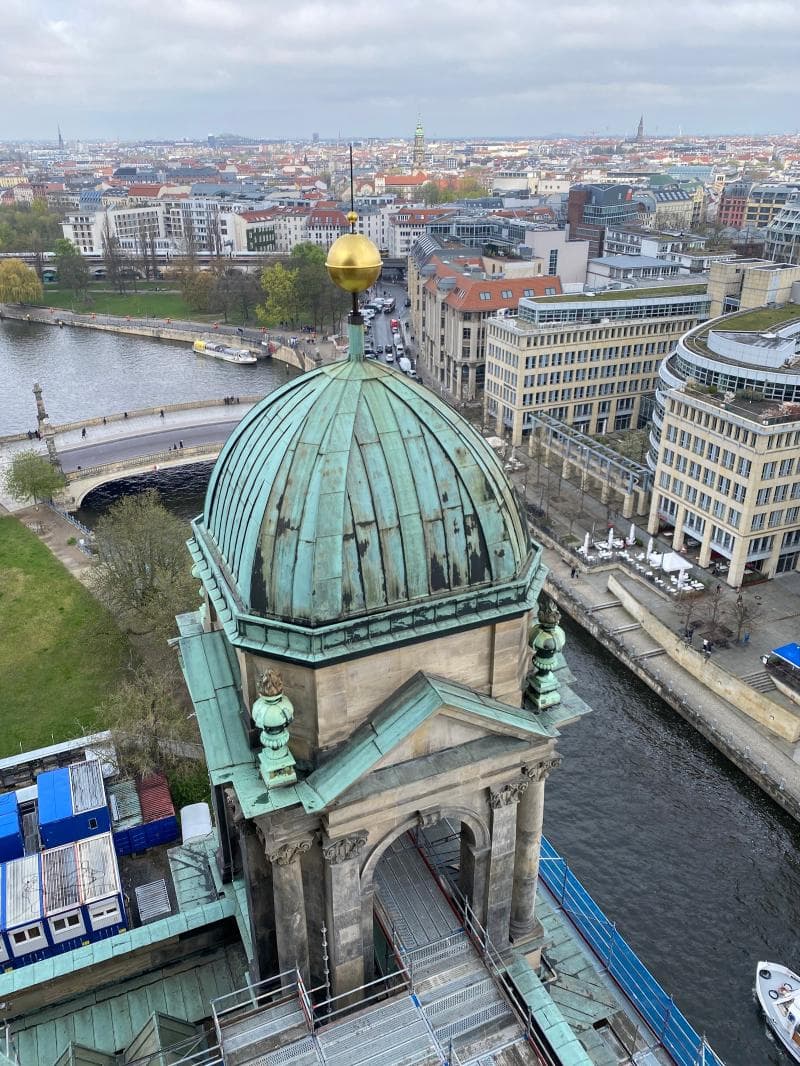
Explore the Hohenzollern Tombs, a significant dynastic burial site within the Berlin Cathedral in Berlin, Germany, revealing centuries of royal history.
Overview
Deep beneath the majestic Berlin Cathedral, nestled on Museum Island in central Berlin, lies the Hohenzollern Tombs. This solemn yet remarkably ornate crypt serves as Germany's most significant dynastic burial site and stands among Europe's most important royal resting places, comparable to the Capuchin Crypt in Vienna or the Royal Tombs in St. Denis Cathedral in Paris. It offers a unique journey through centuries of German history, housing the remains of nearly a hundred members of the illustrious Hohenzollern dynasty.
Recently reopened on March 1, 2026, after extensive renovations, the crypt has been meticulously restored and enhanced to provide visitors with a profound understanding of its historical and cultural importance. It showcases 500 years of Brandenburg-Prussian burial culture, reflecting the artistic styles and beliefs of different eras.
History & Cultural Background
The Hohenzollern dynasty, originating in Swabia in the 11th century, rose to become one of Europe's most powerful ruling houses. They were instrumental in shaping Brandenburg-Prussia and eventually the German Empire. The current Berlin Cathedral, a monumental German Protestant church, was constructed between 1894 and 1905 under Emperor Wilhelm II. It was during this period that the various Hohenzollern coffins were consolidated into this grand crypt, making it one of Europe's largest burial places of its kind.
Prior to this, predecessor churches on the same site had served as burial grounds for the Hohenzollerns for almost 400 years, from 1545 to 1915. The crypt was significantly damaged during World War II when the cathedral's main dome collapsed after a bomb hit, causing fire and nearly destroying some of the precious sarcophagi. Following decades of post-war reconstruction of the cathedral, the crypt itself underwent a massive six-year, $34-million renovation that concluded with its grand reopening in 2026.
What Makes It Special
What sets the Hohenzollern Tombs apart is its sheer scale and the incredible collection of historical artifacts. It houses 91 to 94 coffins and burial monuments, ranging from the late 16th century to the early 20th century. These aren't just simple resting places; they are works of art crafted from various materials like wood, tin, marble, and even precious metals, some adorned with rich velvet and brocade. The crypt itself is a historical canvas, showcasing a progression of artistic styles from late Gothic to Baroque.
Among the most notable figures interred here are Frederick William, the 'Great Elector,' who laid the foundation for Prussian power, and his son, Frederick I, the first King in Prussia. Visitors can also see the magnificent sarcophagi of King Frederick I and his wife Sophie Charlotte, considered masterpieces of Baroque art. The crypt offers an unparalleled glimpse into the burial traditions and artistic patronage of a dynasty that profoundly shaped German and European history.
Stories, Fun Facts & Local Details
The Hohenzollern Crypt is not merely a collection of tombs; it's a repository of stories. For instance, while many prominent Hohenzollerns rest here, not all German Emperors of the dynasty are interred within its walls; Emperor Wilhelm II, for example, is buried in the Netherlands. The crypt's history is also marked by resilience; it survived being flooded twice in the 19th century, leading to its current elevation being 25 centimeters above the highest known groundwater levels.
During the recent renovation, an 'education room' was created, featuring interactive touch-screen displays that delve into burial culture, infant mortality within the dynasty, and illustrations of Hohenzollern funeral ceremonies. You can even see grave goods such as jewelry, clothing, and personal belongings displayed alongside the coffins, including Frederick I's 18th-century death mask and a dress worn by his daughter, Princess Charlotte Albertine of Prussia. This level of detail provides a deeply personal connection to the individuals who once held immense power.
Visitor Perspective
A visit to the Hohenzollern Tombs is a contemplative and educational experience. Walking through the crypt, one is surrounded by centuries of history, each sarcophagus telling a silent story of power, loss, and legacy. The sheer number of burials, including many children's coffins, provides a poignant reminder of life and death in past eras. The newly designed educational area significantly enriches the visit, offering context and deeper insights into the lives and deaths of these historical figures. It's a powerful experience, inviting visitors to reflect on the passage of time and the enduring impact of a dynasty that shaped a nation. The accessibility enhancements also make it a welcoming destination for a wide range of visitors interested in German royal history and European dynastic burial sites.
Coordinates: 13.40111, 52.51917
View on Google Maps💬 How Travelers Describe This Place
Based on community votes
Beautiful
799Unique
707Photogenic
401Interesting
280Must See
257
Traveler Stories
Discover memorable experiences shared by travelers who have visited this place.
No traveler stories yet.
Be the first traveler to share what made this place memorable.

Tour
By
Spot
Discover amazing places around the world. Your journey starts here.
Explore
© 2026 TourBySpot. All rights reserved.