Historical Artifacts
Bishkek, Kyrgyzstan
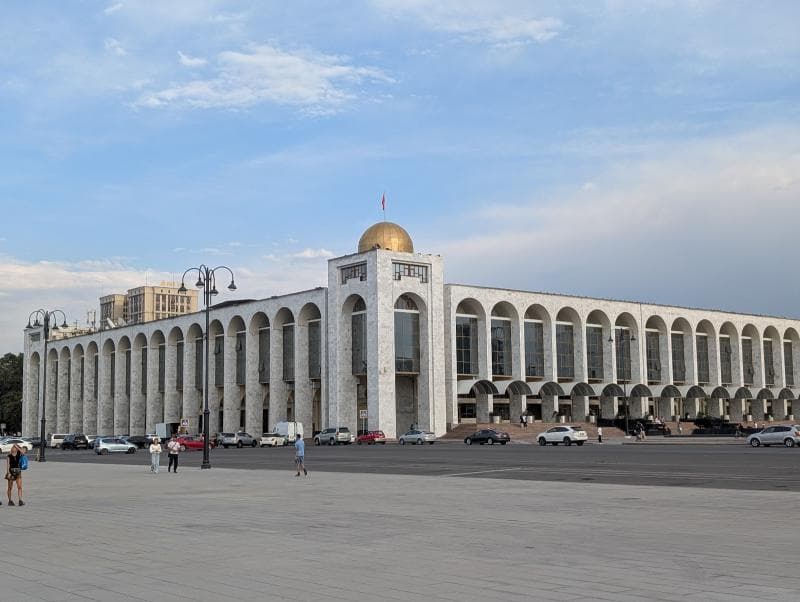
Explore the Historical Artifacts at the State History Museum in Bishkek, Kyrgyzstan. Discover ancient tools, nomadic gold, and Silk Road treasures.
Overview
The Historical Artifacts collection within Bishkek's State History Museum, also known as the National Historical Museum of the Kyrgyz Republic, offers a captivating journey through the rich tapestry of Kyrgyzstan's past. Established on December 9, 1925, as the Central Museum of Kyrgyzstan, it has evolved into one of Central Asia's most significant cultural institutions. Boasting an extensive collection of over 90,000 exhibits, with 44,000 forming the main exhibition, this sub-spot is a treasure trove of archaeological and ethnographic wonders. Visitors can explore everything from ancient Bronze Age tools to exquisite nomadic jewelry and modern historical documents, providing a comprehensive overview of the Kyrgyz people's heritage from antiquity to the present day.
The museum underwent significant renovations between 2016 and 2021, enhancing its presentation and shifting its focus to highlight traditional Kyrgyz culture more prominently. Situated in the heart of Bishkek, near Ala-Too Square, it serves as a central hub for understanding the historical and cultural narratives that have shaped this unique Central Asian nation.
History & Cultural Background
The narrative of the historical artifacts at the State History Museum traces the evolution of the Kyrgyz people through millennia. The museum's origins date back to 1925, driven by the desire to preserve the nation's cultural and historical memory. Its collection spans from the Stone Age, showcasing early human settlements and their rudimentary tools, to the Bronze Age, with evidence of early metalworking and societal development. The cultural background is deeply rooted in Kyrgyzstan's nomadic heritage, reflected in artifacts from the Saka and Turkic periods.
These ancient nomadic tribes left behind a legacy of sophisticated craftsmanship, including gold jewelry fashioned in an distinctive animalistic style and formidable weaponry. The museum also delves into the critical role Kyrgyzstan played along the Silk Road, exhibiting ceramics, weapons, and coins that illustrate the vibrant exchange of goods and cultures that traversed this historic trade route. The more recent history, including the Soviet era and the emergence of independent Kyrgyzstan, is also meticulously documented through various exhibits, providing context for the nation's modern identity.
What Makes It Special
The Historical Artifacts section is particularly special due to its unparalleled scope and the unique stories embedded within its vast collection. One of its most striking features is the Golden Hall, which houses exquisite gold artifacts, including dazzling golden crowns and the renowned golden burial mask of the Sak people. These items offer a glimpse into the wealth and artistic prowess of ancient nomadic civilizations.
Beyond the glittering gold, the museum provides a profound insight into the nomadic way of life. It features meticulously crafted traditional yurts, felt products, and authentic costumes, allowing visitors to visualize the daily lives and artistic expressions of the Kyrgyz people. The presence of ancient rock paintings, cave sculptures from the Bronze Age, and stones with runic inscriptions further highlights the enduring artistic and communicative traditions of early inhabitants. The detailed explanations available in English for most artifacts make this journey accessible and deeply informative for international travelers, allowing for a thorough appreciation of Kyrgyzstan's unique cultural trajectory.
Stories, Fun Facts & Local Details
Every artifact in this collection whispers tales of bygone eras. Imagine the bustling Silk Road caravans, laden with goods, their paths hinted at by the ancient coins and pottery on display. A truly fascinating exhibit is the 9th-century Lord Buddha statue, a testament to the diverse religious influences that once permeated this region. The museum also holds unique items like a gold figurine of a running gazelle and intricate silver women's headdress ornaments from the Chuy Valley, dating back to the 4th-5th centuries.
A popular local detail is the display of traditional Kyrgyz musical instruments such as the komuz, kerney, and sybyzgy. Visitors can often listen to their unique sounds, offering an auditory dimension to the cultural experience. The museum's extensive collection of ethnographic objects, including felt carpets, intricate embroideries, and elaborately decorated horse harnesses, beautifully illustrates the ingenuity and artistry ingrained in the nomadic lifestyle. These weren't just decorative items; they were integral to survival and cultural identity on the vast steppes. The recent renovations also brought new attention to national heroes and cultural figures, further embedding local stories into the museum's narrative.
Visitor Perspective
For the curious traveler, visiting the Historical Artifacts collection is an immersive experience. The museum is thoughtfully laid out, with exhibits generally organized chronologically, making it easy to follow Kyrgyzstan's historical progression. With most labels available in English, visitors can delve deep into the significance of each display. Audio guides are also available in several languages, offering an enriched understanding of the exhibits.
It's advisable to allocate approximately 3-4 hours to fully appreciate the extensive collection, particularly if you wish to absorb the detailed historical and cultural context provided. While photography is generally permitted, be aware that flash photography is usually discouraged, and certain highly valuable items, like those in the Golden Hall, might have restrictions. The museum's central location in Bishkek, adjacent to Ala-Too Square, makes it easily accessible and often a starting point for exploring the city's other attractions. The journey through these historical artifacts provides not just facts, but a profound connection to the resilient spirit and rich cultural legacy of the Kyrgyz people.
Coordinates: 74.60377, 42.87787
View on Google Maps💬 How Travelers Describe This Place
Based on community votes
Must See
276Interesting
152Photogenic
33Beautiful
30Unique
16
Traveler Stories
Discover memorable experiences shared by travelers who have visited this place.
No traveler stories yet.
Be the first traveler to share what made this place memorable.

Tour
By
Spot
Discover amazing places around the world. Your journey starts here.
Explore
© 2026 TourBySpot. All rights reserved.