Historical Artifacts
Jakarta, Indonesia
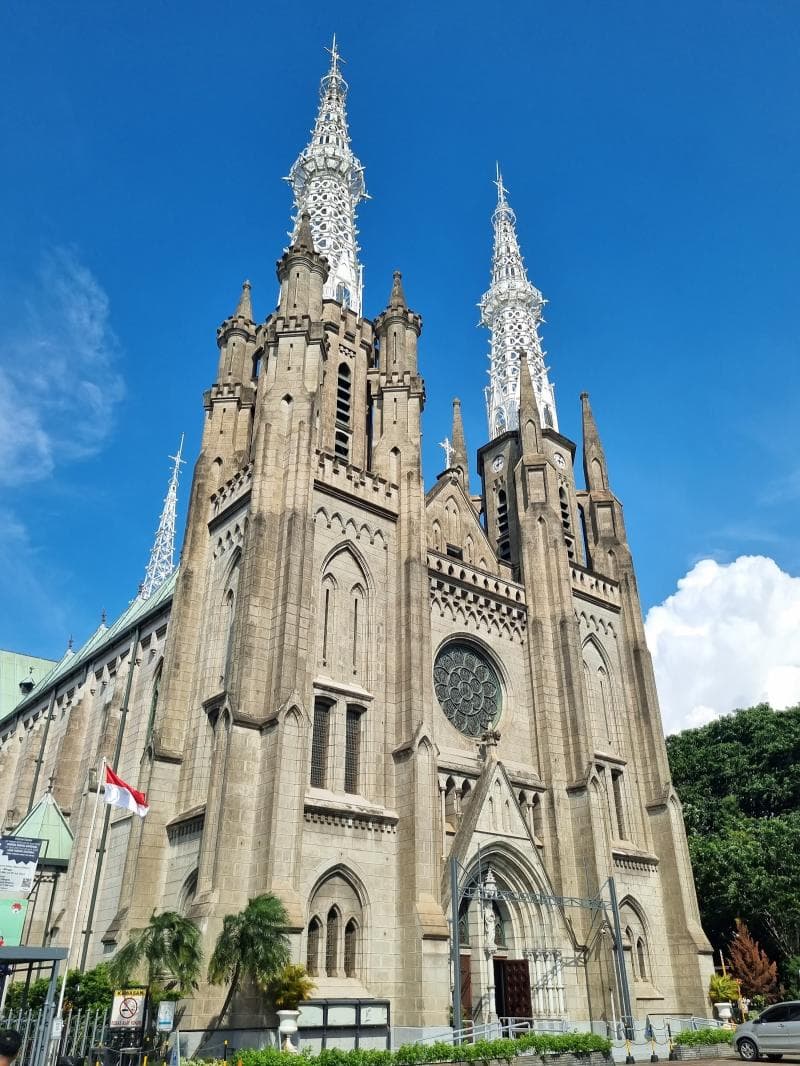
Explore historical artifacts at Jakarta Cathedral in Jakarta, Indonesia. Discover religious relics, vestments, and the rich history of Catholicism.
Overview
The Historical Artifacts of Jakarta Cathedral offer a profound journey into the rich spiritual and cultural tapestry of Indonesia. Housed primarily within the Jakarta Cathedral Museum, located on the cathedral's second floor, these artifacts are not merely old objects; they are tangible links to the enduring story of Catholicism in the archipelago. The Jakarta Cathedral itself, officially known as Gereja Santa Perawan Maria Diangkat ke Surga (Church of Our Lady of the Assumption), stands as a magnificent Neo-Gothic architectural marvel in Central Jakarta. Consecrated in 1901, its very presence adjacent to the grand Istiqlal Mosque is a powerful symbol of religious harmony and tolerance in Indonesia. Exploring the artifacts provides visitors with a unique perspective on faith, history, and the intricate blend of cultures that define this vibrant nation.
History & Cultural Background
The journey of the Jakarta Cathedral began long before the current structure was completed. The first Catholic church on this site, inaugurated in 1829, tragically collapsed in 1890, leading to the construction of the present-day cathedral. Designed by the Jesuit priest Antonius Dijkmans, the current edifice was consecrated in 1901. Its construction was notably influenced by Indonesia's seismic activity; thus, it was built using materials like bricks covered with plaster, a teak wood roof, and iron for its soaring spires, a deliberate choice over heavier stone masonry to ensure stability. The museum section, originally the choir loft, was later repurposed to safeguard and display the historical artifacts. These collections chronicle the spread of Catholicism in Indonesia, a narrative shaped by various historical epochs, including the periods of Dutch influence. The artifacts serve as silent witnesses to centuries of religious devotion and the development of the Catholic Church in a predominantly Muslim country.
What Makes It Special
What makes the Historical Artifacts of Jakarta Cathedral truly special is their ability to transport visitors back in time, offering an intimate glimpse into the ceremonial life and spiritual journey of the Catholic community in Indonesia. The museum boasts an impressive collection of religious relics, including intricate silver mass utensils dating back to the 19th century, along with the hats and robes once worn by Dutch East Indies and Indonesian archbishops and cardinals. One particularly notable item mentioned is a robe belonging to a Pope who visited Indonesia, adding a layer of historical significance to the collection. Furthermore, visitors can observe historical collections such as the Nativity scene, which has been part of the cathedral since its original construction in 1901. These items, carefully preserved, illuminate the continuity of faith and the evolving traditions within the Catholic Church in Indonesia. The context of their display within the stunning Neo-Gothic architecture of the cathedral itself further amplifies their appeal, making for a compelling and educational experience.
Stories, Fun Facts & Local Details
Beyond their intrinsic value, the artifacts and the cathedral hold fascinating stories. A particularly poignant detail is the choice of location for the Jakarta Cathedral, directly opposite the monumental Istiqlal Mosque. This deliberate placement, reportedly chosen by Indonesia's first President Soekarno, powerfully symbolizes the nation's philosophy of unity in diversity and religious tolerance. During major religious celebrations, a spirit of mutual respect is evident, with parking spaces often shared between worshippers attending services at both the cathedral and the mosque. Within the museum, visitors might encounter unique pieces like a Mother Mary statue adorned in a kebaya, a traditional Indonesian garment, showcasing a beautiful blend of faith and local culture. The fact that the museum space was originally designated as the choir area, and its current use reflects a thoughtful adaptation of an aging structure, adds another layer to its narrative. The architectural decision to use lighter building materials, like teak and iron, for the cathedral's construction, due to Indonesia's earthquake-prone environment, is also a testament to thoughtful engineering and local adaptation.
Visitor Perspective
For any curious traveler, a visit to the Historical Artifacts of Jakarta Cathedral offers a uniquely enriching experience. The museum provides comprehensive information about the development of Catholicism in Indonesia and the lives of the clergy who served the community. What makes this exploration even more accessible is the fact that entrance to the museum is free. Visitors consistently praise the detailed information presented, finding it an unexpected and engaging delve into religious history. It provides a quiet and reflective experience, allowing individuals to connect with a significant aspect of Indonesian heritage in a peaceful setting. Engaging with these historical treasures within the grand and serene atmosphere of the Jakarta Cathedral fosters a deeper appreciation for the interplay of faith, architecture, and national identity. It is a journey that reveals not just artifacts, but the soul of a community and its enduring spirit.
Coordinates: 106.833069, -6.169257
View on Google Maps💬 How Travelers Describe This Place
Based on community votes
Must See
963Beautiful
723Interesting
482Photogenic
396Unique
274
Traveler Stories
Discover memorable experiences shared by travelers who have visited this place.
No traveler stories yet.
Be the first traveler to share what made this place memorable.

Tour
By
Spot
Discover amazing places around the world. Your journey starts here.
Explore
© 2026 TourBySpot. All rights reserved.