Historical Archives
Vilnius, Lithuania
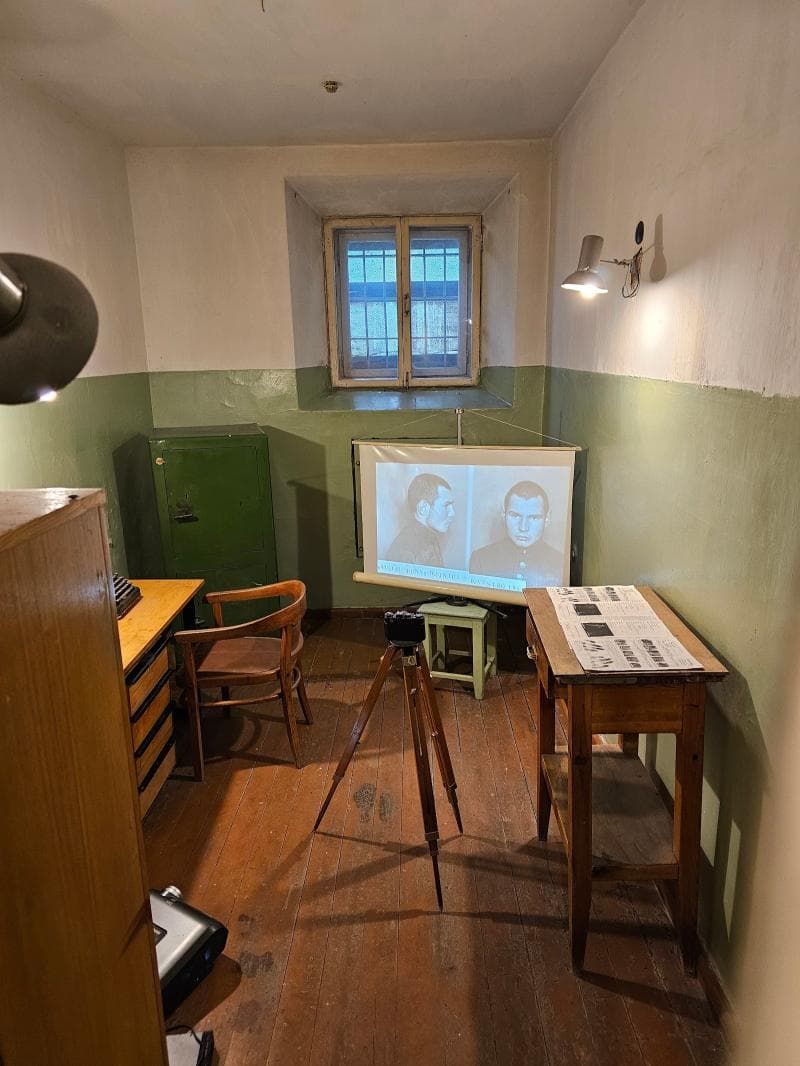
Explore the Historical Archives at the Museum Of Occupations And Freedom Fights in Vilnius, Lithuania, uncovering stories of Soviet repression and Lithuanian resistance.
Overview
Deep within the solemn walls of the Museum Of Occupations And Freedom Fights in Vilnius, Lithuania, lies a poignant testament to a nation's struggle: its Historical Archives. These archives are not a separate room or a dusty collection hidden away, but rather the very lifeblood of the museum's narrative, woven into every exhibition and display. They comprise an immense repository of documents, photographs, personal belongings, and testimonies that collectively illuminate the brutal realities of Soviet and Nazi occupations and the unwavering spirit of Lithuanian resistance.
Housed in the former KGB headquarters, the museum itself is a historical document, offering an unparalleled, visceral experience. The Historical Archives, both physically within the museum's exhibitions and as part of the broader Lithuanian Special Archive located in the same building, serve as the authoritative voice recounting a half-century of repression, deportation, and guerrilla warfare.
History & Cultural Background
The Museum of Occupations and Freedom Fights, established in 1992, immediately after Lithuania regained its independence, inherited a building steeped in history—and horror. From the late 19th century through both World Wars and the Soviet era, this neoclassical structure served various repressive regimes, including the Gestapo and, most notably, the KGB. It was within these very walls that countless Lithuanians were interrogated, imprisoned, tortured, and executed for their defiance.
The cultural significance of these Historical Archives cannot be overstated. They are the tangible proof of suffering, the voices of the silenced, and the enduring memory of those who fought for Lithuania's freedom. The archival materials document not only the systematic oppression by Soviet security agencies from 1940 to 1991, but also the vibrant, clandestine resistance movements, such as the 'Forest Brothers' partisans, and the unarmed defiance of ordinary citizens.
What Makes It Special
What sets the Historical Archives within this museum apart is their authenticity and the profound human stories they preserve. This isn't just a collection of papers; it's a direct window into individual lives irrevocably altered by occupation. The archives contain original KGB documents—criminal files of political prisoners, surveillance records of cultural and religious leaders, and detailed operational reports—providing a chilling insight into the mechanisms of repression.
Beyond the oppressors' records, the archives also safeguard precious documents of resistance, including partisan unit reports, anti-Soviet propaganda, and personal memoirs. Many of these documents were painstakingly collected or even hidden, sometimes buried in milk churns, by the very people who lived through these tumultuous times. The sheer volume and sensitive nature of these documents make them the largest accessible holdings of Soviet political police records outside of Russia, offering unique insights for researchers and visitors alike.
Stories, Fun Facts & Local Details
Among the countless documents, one might encounter the stark, bureaucratic records detailing the deportation of entire families to Siberian gulags, or the chilling interrogation protocols of those deemed 'enemies of the state'. There are also more personal, yet equally powerful, pieces: handwritten letters smuggled from prisons, secret publications like 'samizdat' literature, and photographs that capture moments of quiet defiance or tragic loss.
A poignant detail comes from the partisan archives, where alongside military reports, one finds creative works such as anti-Soviet posters, greeting cards, and poetry, crafted under incredibly difficult conditions, often in forest hideouts. These demonstrate the enduring human spirit and cultural resilience even in the face of overwhelming odds. The museum actively expands its collections through donations, recognizing the public's role in preserving this vital history.
Visitor Perspective
For visitors, engaging with the Historical Archives is an integral and often deeply moving part of the museum experience. As you walk through the ground and upper floors, exhibitions present these documents, photographs, and maps, meticulously arranged to tell the story of Sovietization, guerrilla warfare, and KGB activities. The basement, preserved as the former KGB internal prison, offers a stark physical encounter with history, displaying exhibits alongside the authentic cells, interrogation rooms, and the execution chamber.
While the full extent of the Lithuanian Special Archive's millions of documents is primarily for research, the museum's exhibitions effectively bring the most impactful and illustrative archival findings to the public. Guided tours further enrich this experience, providing context and drawing attention to the profound human impact embedded within these historical records, allowing travelers to connect personally with Lithuania's complex past.
Coordinates: 25.27111, 54.68806
View on Google Maps💬 How Travelers Describe This Place
Based on community votes
Beautiful
961Photogenic
897Unique
695Interesting
605Must See
336
Traveler Stories
Discover memorable experiences shared by travelers who have visited this place.
No traveler stories yet.
Be the first traveler to share what made this place memorable.

Tour
By
Spot
Discover amazing places around the world. Your journey starts here.
Explore
© 2026 TourBySpot. All rights reserved.