Historic Stonework
Pristina, Kosovo
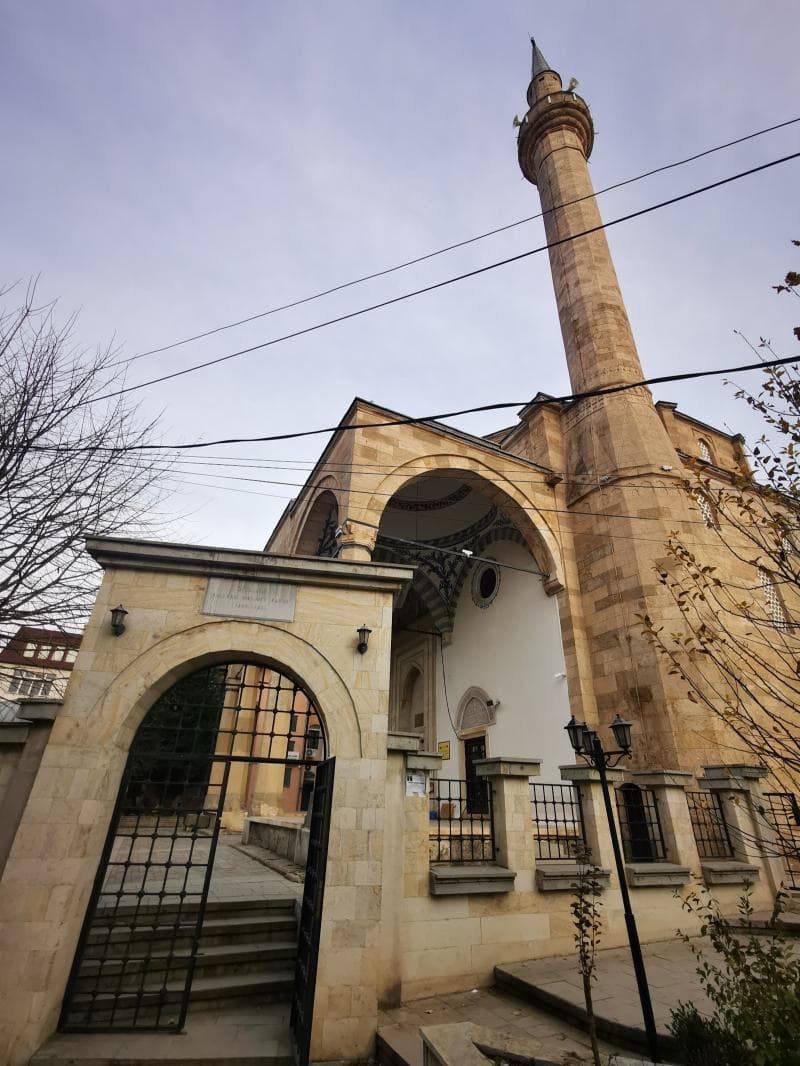
Explore the historic stonework of the Imperial Mosque in Pristina, Kosovo. Discover 15th-century Ottoman architecture and its rich cultural heritage.
Overview
Nestled in the heart of Pristina, Kosovo, within the majestic Imperial Mosque, lies a testament to enduring craftsmanship: its historic stonework. This remarkable structure, also known as the Fatih Mosque or Sultan Mehmet Fatih Mosque, is an exceptional example of 15th-century Ottoman architecture. Erected in 1461 by order of Sultan Mehmed II the Conqueror, it stands as one of the oldest and most significant Islamic monuments in Kosovo. The mosque's construction predominantly features carved yellow sandstone and a mix of other masonry, creating a robust and visually striking edifice. The historic stonework defines its grand silhouette, from the sturdy base to the elegant minaret, showcasing intricate details that have captivated visitors for centuries. It was rightfully declared a Monument of Culture of Exceptional Importance in 1990, preserving its timeless beauty for future generations.
History & Cultural Background
The story of the Imperial Mosque's stonework is deeply intertwined with the region's rich Ottoman past. Commissioned by Sultan Mehmed II al-Fatih just eight years after the fall of Constantinople and the Ottoman conquest of the area, its construction in 1461 was part of a broader imperial initiative to establish religious and civic infrastructure in newly acquired territories. An Arabic inscription above the entrance portal proudly confirms this foundational date. The mosque quickly became a vital religious and cultural hub, profoundly influencing the urban development of Pristina and serving as a symbol of Ottoman presence and artistic prowess in the Balkans. Over its long history, the mosque's stonework has borne witness to numerous transformations. During the Austro-Turkish wars in the late 17th century, it was temporarily converted into a Catholic church. Subsequent restoration efforts, notably in 1682–1683 during the reign of Sultan Mehmed IV and again following a devastating earthquake in 1955, meticulously preserved and reconstructed its architectural integrity, including its distinctive stone elements.
What Makes It Special
The historic stonework of the Imperial Mosque is special for its blend of grandeur and intricate detail. The primary material used is carved yellow sandstone, giving the building a warm, distinctive hue that shifts with the daylight. This robust stone, combined with bricks joined by lime mortar, forms a structure of remarkable durability and aesthetic appeal. The precision of the 15th-century masons is evident in the finely carved portal and the expertly shaped stones that compose the mosque's large central dome, which was once considered one of the largest in the region. Inside, visitors are met with ornamental decorations and detailed floral designs, often integrated into the stone and plasterwork, reflecting the classical Ottoman style. The careful arrangement of these stone elements creates a harmonious balance between strength and elegance, making the mosque a standout architectural marvel. Even today, the visible wear and tear on some of the facades and pillars tell a story of centuries of exposure, highlighting the authenticity and resilience of its original construction.
Stories, Fun Facts & Local Details
Beyond its architectural beauty, the Imperial Mosque's historic stonework holds many captivating stories and local nuances. Known affectionately by locals as 'the Imperial Mosque' or 'King's Mosque,' it carries a profound sense of identity within Pristina. It is not just a building; it is a living chronicle. A curious historical anecdote reveals that during its brief conversion to a Catholic church, the esteemed Albanian writer Pjetër Bogdani was buried within its walls. However, his remains were later exhumed and cast into the street by Ottoman soldiers upon their regaining control, a stark reminder of the turbulent history the mosque has endured. Furthermore, the mosque's minaret, though now a reconstruction following earthquake damage in 1955, still stands tall and slender, a prominent feature of Pristina's skyline and a beacon of its enduring heritage. This mosque is also a rare survivor, being the only one built by Sultan Mehmed II in the region that still stands today, making its stonework truly irreplaceable. The mosque was once part of a larger complex that included a hammam (public bath) and a madrasa (religious school), enriching its role as a communal focal point in Ottoman-era Pristina.
Visitor Perspective
For any curious traveler, exploring the historic stonework of the Imperial Mosque offers a deeply enriching experience. Located conveniently in Pristina's old city center, near other historical sites like the Great Hammam and the Clock Tower, it is easily accessible for a leisurely visit. As an active place of worship and a vibrant cultural center, it warmly welcomes visitors, though modest dress is respectfully requested. Non-Muslims are encouraged to visit outside of prayer times to fully appreciate the serene atmosphere and the intricate details of the interior without disturbance. Stepping inside, one can appreciate the elegance of the prayer hall and examine the traditional ornaments, feeling a surprising silence that beautifully contrasts with the city's hustle and bustle. The carved yellow sandstone and the overall construction provide fantastic opportunities for photography, especially the texture of the ancient walls bathed in natural light. It's a chance to touch living history and gain a deeper understanding of Pristina's layered identity and its profound connection to its Ottoman past.
Coordinates: 21.16701, 42.66699
View on Google Maps💬 How Travelers Describe This Place
Based on community votes
Beautiful
965Photogenic
743Unique
629Must See
184Interesting
176
Traveler Stories
Discover memorable experiences shared by travelers who have visited this place.
No traveler stories yet.
Be the first traveler to share what made this place memorable.

Tour
By
Spot
Discover amazing places around the world. Your journey starts here.
Explore
© 2026 TourBySpot. All rights reserved.