Historic Mansions
Warsaw, Poland
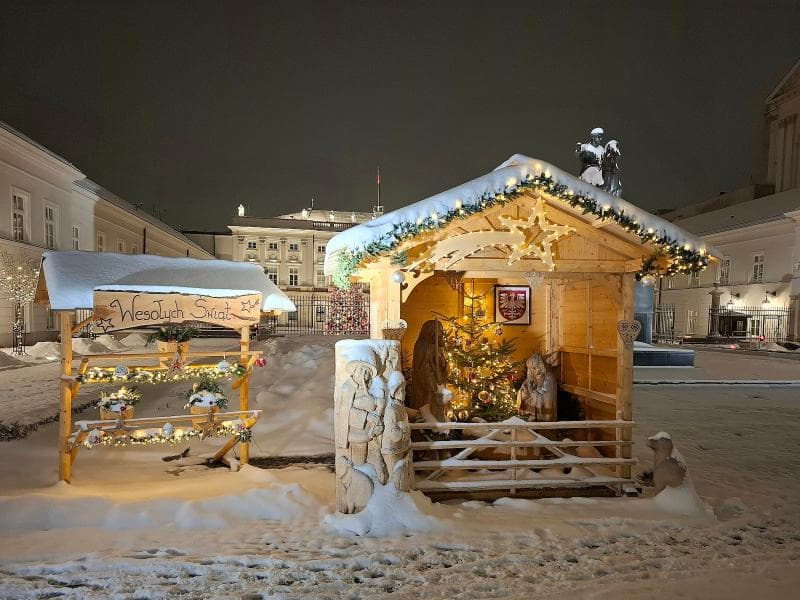
Discover the historic mansions of Krakowskie Przedmieście in Warsaw, Poland. Explore presidential palaces, elegant architecture, and cultural stories.
Overview
Krakowskie Przedmieście, a renowned thoroughfare in Warsaw, Poland, serves as a majestic gateway to the city's rich history and architectural grandeur. As the northernmost segment of the storied Royal Route, this historic street is famed for its collection of opulent palaces, stately churches, and significant cultural institutions. It forms a vital link between the historic Old Town and other prominent areas of Warsaw, inviting travelers to step back in time and explore centuries of Polish heritage. The 'Historic Mansions' of Krakowskie Przedmieście are not merely buildings; they are enduring symbols of resilience and the intricate tapestry of a nation's past.
History & Cultural Background
The origins of Krakowskie Przedmieście trace back to the 15th century, when it first emerged as a crucial trade route. Over time, particularly after Warsaw became Poland's capital in the late 16th century, it transformed into a prestigious avenue where influential noblemen began erecting magnificent palaces and manor houses. This era, especially the 17th century, saw a surge in the construction of grand residences, solidifying the street's status as a major artery and a showcase of aristocratic power. The street's buildings have borne witness to pivotal moments in Polish history, including periods of prosperity and devastating conflict. Tragically, many of these structures suffered immense damage during World War II. However, thanks to meticulous post-war reconstruction efforts, famously aided by the detailed 18th-century paintings of Bernardo Bellotto (known as Canaletto), much of the street's former glory was painstakingly restored.
What Makes It Special
The collection of historic mansions along Krakowskie Przedmieście is truly exceptional, each contributing its own chapter to Warsaw's narrative. Among the most prominent is the Presidential Palace (Pałac Prezydencki), the largest palace in Warsaw and the official residence of the President of Poland since 1994. Originally built in the 17th century for the Koniecpolski family, it has undergone several transformations, evolving into the elegant Classicist structure seen today. Directly opposite stands the Potocki Palace, a striking Baroque edifice that has graced the street since the late 18th century. Further along, visitors encounter the Czapski Palace, celebrated for its exquisite Rococo architecture and its historical connection to Fryderyk Chopin, who lived in an annex there before emigrating. The Kazimierz Palace, now serving as the rector's office for the University of Warsaw, was originally constructed in the 17th century as a royal villa. These structures, with their diverse architectural styles, from Baroque to Neoclassical, embody the artistic and historical evolution of Polish design.
Stories, Fun Facts & Local Details
Beyond their architectural splendor, these mansions are steeped in fascinating stories. The Presidential Palace, for instance, hosted statesmen like Napoleon and Alexander I, witnessed grand balls, and was where an eight-year-old Fryderyk Chopin gave one of his first concerts. It was also the site of the historic Round Table meetings in 1989, a crucial step in Poland's transition to democracy, and where the Warsaw Pact was signed in 1955. The Czapski Palace offers a glimpse into Chopin's early life, housing a branch of the Fryderyk Chopin Museum. The meticulous reconstruction of Warsaw's historic center, including many buildings on Krakowskie Przedmieście, after World War II was remarkably precise, relying heavily on the detailed vedute (cityscapes) painted by Bernardo Bellotto, the court painter to Poland's last king, Stanisław August Poniatowski. These paintings served as invaluable blueprints for rebuilding. Walking this street also means encountering other significant landmarks like the University of Warsaw, founded in 1816, and various historic churches, each with its own compelling narrative.
Visitor Perspective
Strolling along Krakowskie Przedmieście offers an immersive journey through time. The experience is one of refined elegance, where every turn reveals another architectural marvel. It is a place to appreciate the grandeur of a bygone era, yet also to feel the vibrant pulse of contemporary Warsaw through the numerous cafes and cultural institutions that now occupy some of these historic spaces. The carefully preserved facades and the statues that dot the avenue, such as the monuments to Adam Mickiewicz and Nicolaus Copernicus, evoke a sense of national pride and cultural depth. Observing the Presidential Palace, envisioning the historical events that unfolded within its walls, or imagining Chopin's youthful brilliance at the Czapski Palace, allows visitors to connect with the soul of Warsaw. This street is more than just a collection of buildings; it is a living museum, a testament to Polish artistry, resilience, and enduring spirit, providing a deeply enriching experience for any curious traveler.
Coordinates: 21.015556, 52.241667
View on Google Maps💬 How Travelers Describe This Place
Based on community votes
Beautiful
545Must See
343Interesting
211Photogenic
74Unique
20
Traveler Stories
Discover memorable experiences shared by travelers who have visited this place.
No traveler stories yet.
Be the first traveler to share what made this place memorable.

Tour
By
Spot
Discover amazing places around the world. Your journey starts here.
Explore
© 2026 TourBySpot. All rights reserved.