Historic Inns
Bucharest, Romania
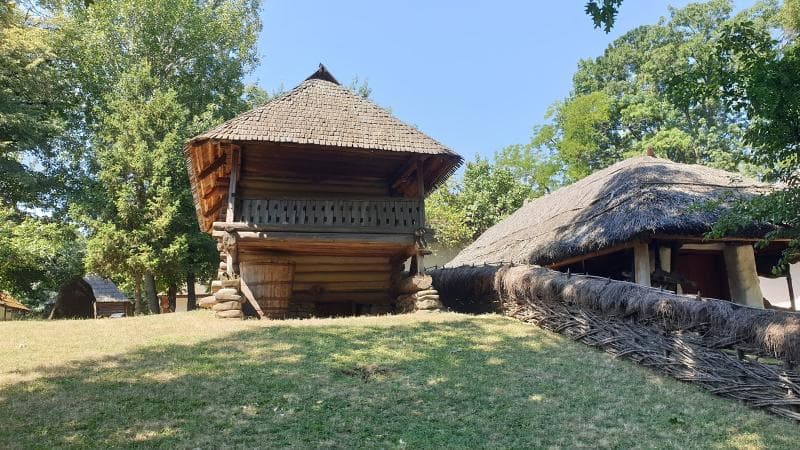
Explore the Historic Inns at Dimitrie Gusti National Village Museum in Bucharest, Romania. Discover traditional Romanian hospitality and cuisine.
Overview
Nestled within the expansive and verdant grounds of the Dimitrie Gusti National Village Museum in Bucharest, Romania, lies a captivating sub-spot known as the 'Historic Inns'. While the museum itself is a sprawling open-air ethnographic exhibition showcasing traditional Romanian village life, the Historic Inns offer a glimpse into the social and culinary heart of these communities. It is here that visitors can experience a tangible connection to the past, moving beyond observation to engage with a living piece of history. The most prominent example of these historic establishments is the traditional inn called 'La Bariera', which once served as a vital hub for travelers and locals alike.
The Village Museum, established in 1936, is one of the world's first open-air museums and a testament to Romania's rich rural heritage. It meticulously reconstructs peasant homes, churches, windmills, and workshops, all transported from various regions across Romania, offering an unparalleled panorama of diverse architectural styles and traditional crafts. Within this authentic setting, the Historic Inns provide not just a place to rest and eat, but an immersive cultural experience, reflecting the communal spirit and hospitality integral to Romanian village life.
History & Cultural Background
The concept of the inn, or 'han' in Romanian, is deeply woven into the fabric of Romanian history, serving as critical points along trade routes and within village life. These establishments were more than just places to eat and sleep; they were centers of community, news exchange, and cultural interaction. The 'La Bariera' inn, a notable example within the Village Museum, originates from Valenii de Munte, a region connecting the Prahova Valley with the Buzaului Valley. Dating back to the 19th century, this inn represents a period when such establishments played an indispensable role in the rural economy and social landscape.
The Dimitrie Gusti National Village Museum itself was founded by sociologist Dimitrie Gusti with a vision to preserve and present authentic rural life. It involved meticulous fieldwork, dismantling, transporting, and reassembling over 300 structures, including houses, churches, and various installations, from across the country. This dedication extends to the Historic Inns, which were carefully relocated and restored to reflect their original appearance and function, allowing visitors to step back in time and appreciate the enduring traditions of Romanian hospitality.
What Makes It Special
What makes the Historic Inns within the Village Museum truly special is their ability to offer an experiential journey into Romania's past. Unlike static exhibits, 'La Bariera' functions as a living inn, allowing guests to savor traditional Romanian food and wine, prepared in the countryside style. This sensory engagement—the taste, the aroma, and the ambiance—transports visitors directly into the daily lives of past generations. It's a place where history isn't just observed; it's tasted and felt.
The inns are integral to the museum's mission of recreating the atmosphere of traditional Romanian villages. They highlight the social aspect of rural life, where meals were shared, stories were told, and communities gathered. The presence of such a functioning inn underscores the completeness of the museum's representation, showcasing not only the architecture and crafts but also the customs and social dynamics that defined these historical settlements.
Stories, Fun Facts & Local Details
One fascinating aspect of Romanian inns, including those represented in the Village Museum, is their role as informal cultural custodians. They often hosted travelling storytellers, musicians, and merchants, becoming melting pots of regional traditions and news. Imagine the lively conversations, the folk songs shared over a glass of local wine, and the rich tapestry of life that unfolded within these walls. The 'La Bariera' inn, specifically, brings to life the culinary heritage of its origin region, Valenii de Munte, offering dishes prepared 'as in the countryside cuisine'.
During summer, the museum occasionally organizes special events and cooking classes, further animating the inn's cultural significance and celebrating popular ceremonies inspired by village life. These events might feature traditional music, people dressed in traditional clothes, and the joyous atmosphere of simpler times, making a visit to the inn a truly memorable experience beyond just a meal. It's a reminder that even in a bustling city like Bucharest, the spirit of rural Romania thrives.
Visitor Perspective
For the curious traveler, a visit to the Historic Inns within the Dimitrie Gusti National Village Museum is an essential part of the museum experience. After wandering through the various homesteads, churches, and workshops, the inn offers a welcoming respite. It's a chance to sit down, reflect on the rich history encountered, and engage with Romanian culture on a more personal level. Many visitors recommend taking a break for lunch at the historic inn to truly immerse themselves in the authentic village atmosphere.
The ability to enjoy a traditional meal in such a historically accurate setting provides a unique context to the architectural marvels observed throughout the museum. It bridges the gap between past and present, allowing one to appreciate the continuity of Romanian customs and the enduring warmth of its people. The Historic Inns are not merely a place to eat; they are an invitation to become part of the ongoing story of the Romanian village.
Coordinates: 26.07723, 44.47055
View on Google Maps💬 How Travelers Describe This Place
Based on community votes
Unique
998Photogenic
903Interesting
481Must See
472Beautiful
92
Traveler Stories
Discover memorable experiences shared by travelers who have visited this place.
No traveler stories yet.
Be the first traveler to share what made this place memorable.

Tour
By
Spot
Discover amazing places around the world. Your journey starts here.
Explore
© 2026 TourBySpot. All rights reserved.