Historic Houses
Edinburgh, United Kingdom
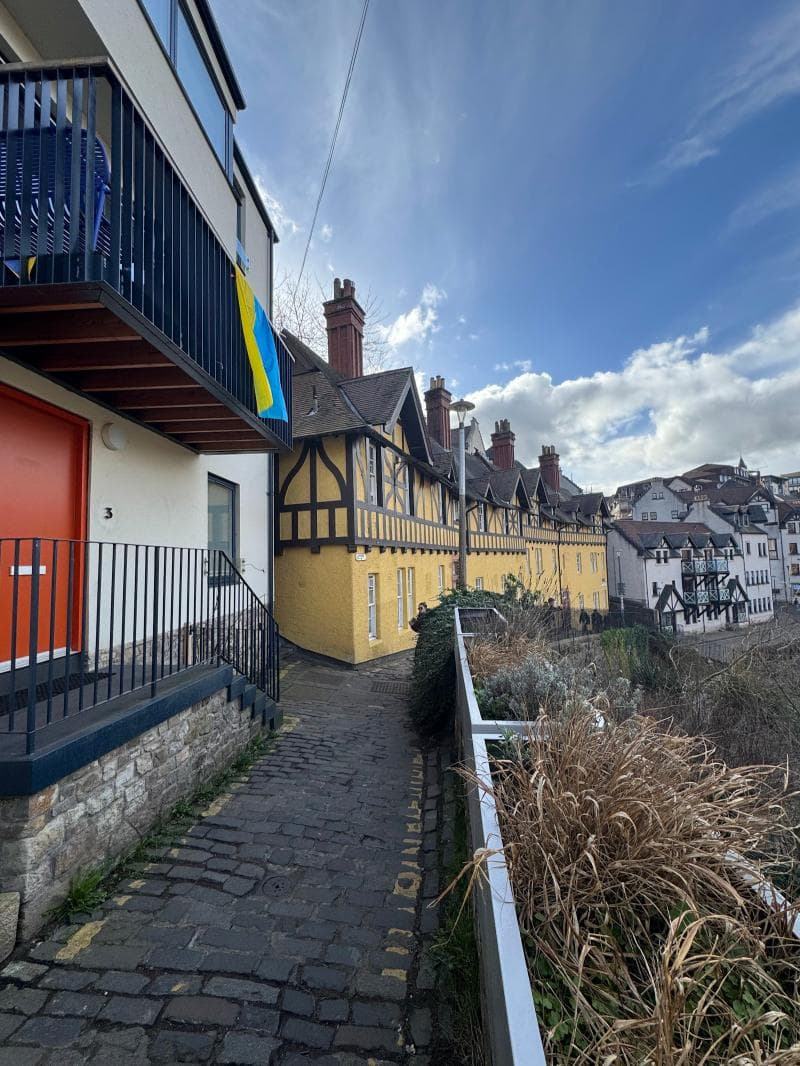
Discover the historic houses of Dean Village in Edinburgh, United Kingdom. Explore the unique architecture and rich milling history of this charming village.
Overview
Nestled just a short walk from Edinburgh's bustling city centre lies Dean Village, a tranquil oasis steeped in history and charm. This picturesque former milling village, once known as 'Water of Leith Village,' offers a captivating glimpse into a bygone era. Visitors are drawn to its unique atmosphere, where the gentle flow of the Water of Leith meanders past enchanting stone houses and cobbled lanes. The 'Historic Houses' of Dean Village are not merely old buildings; they are enduring testaments to centuries of industry, community, and architectural evolution, creating a setting often described as stepping into a fairytale.
History & Cultural Background
The origins of Dean Village can be traced back to the 12th century, when it emerged as a thriving community centred around the numerous water mills powered by the Water of Leith. For over 800 years, it was a vital grain milling area, supplying flour to Edinburgh's bakers, a legacy still visible in carved stone plaques featuring crossed paddles and references to 'baxters' (bakers). The village's name itself, 'Dean,' derives from 'dene,' meaning 'deep valley,' aptly describing its secluded location.
Throughout the centuries, the village remained a distinct entity, characterized by its stone houses, some dating back to the 17th century. However, with the rise of larger, more modern flour mills in Leith during the 19th century, Dean Village's industrial prominence waned, and the area experienced a period of decline, reaching a low point around the 1960s. Fortunately, a renewed interest in Edinburgh's historic architecture led to significant restoration and renovation efforts in the 1960s and 1970s, transforming the village into the beautifully preserved residential area it is today.
One of the most notable architectural contributions from this later period is Well Court, a striking red sandstone complex commissioned in 1883 by Sir John Findlay, the then owner of The Scotsman newspaper, and completed in 1886. Designed by architect Sydney Mitchell, Well Court was initially conceived as social housing for the local workers, providing improved living conditions in contrast to the dilapidated tenements previously common. Its construction marked a philanthropic effort to support the community after the milling industry declined.
What Makes It Special
The historic houses of Dean Village are special not just for their age, but for their cohesive architectural style and the unique narrative they tell. They embody a rich tapestry of Gothic and Renaissance influences, particularly evident in Well Court, which is considered a prime example of late Victorian architecture. The buildings are meticulously arranged around courtyards and along the winding Water of Leith, creating an almost theatrical sense of place. This orderly composition and the use of traditional stone materials contribute to the village's distinctive aesthetic and its strong sense of community.
Beyond Well Court, the village features a collection of charming stone cottages and former mill buildings, many of which have been thoughtfully converted into contemporary homes. Walking through Dean Village feels like stepping back in time, where every turn reveals a picturesque view and a connection to Edinburgh's industrial past. The houses, with their moss-kissed stone and period details, stand as quiet guardians of history, inviting contemplation and appreciation for their enduring beauty.
Stories, Fun Facts & Local Details
The clock tower at Well Court is more than just a decorative feature; it once played a significant role in the daily lives of its residents. Sir John Findlay, who funded its construction, imposed a strict curfew on the tenants, and the clock served as a constant reminder of these regulations. This detail offers a fascinating glimpse into the social conditions and philanthropic intentions behind the creation of this iconic housing complex.
Another intriguing detail for observant visitors are the old millstones and carved stone plaques scattered throughout the village. These often bear the symbols of the bakers' guilds – crossed paddles – a direct nod to Dean Village's long-standing connection to the milling industry that once flourished here. It's a subtle yet powerful reminder of the thousands of lives that revolved around the grinding of grain in this very valley.
While Dean Village today is largely a quiet residential area, its past was one of hard work and community spirit. Families often lived in close proximity, and the village had its own school and grocers, fostering a strong, tight-knit community. The transformation of former industrial buildings, such as mills and the old village school, into desirable modern housing also showcases Edinburgh's remarkable ability to adapt and preserve its heritage.
Visitor Perspective
Visiting the historic houses of Dean Village is an experience focused on quiet appreciation and atmospheric immersion. It is not a place filled with traditional attractions, but rather a destination for those who cherish history, architecture, and tranquil beauty. Visitors are encouraged to wander slowly along the cobbled paths, take in the unique facades of the houses, and simply soak in the peaceful ambiance.
The village is best explored on foot, allowing for an intimate connection with its distinctive character. Many of the best views of the houses, particularly Well Court and the riverside dwellings, can be enjoyed from the various footbridges crossing the Water of Leith or from viewpoints along Hawthornbank Lane. Remember that Dean Village is primarily a residential area, so visitors are kindly asked to be respectful of the residents' peace and privacy. It's an opportunity to step away from the urban bustle and discover a hidden pocket of Edinburgh where history breathes through every stone.
Coordinates: -3.217, 55.9512
View on Google Maps💬 How Travelers Describe This Place
Based on community votes
Unique
915Photogenic
873Beautiful
123Must See
74Interesting
53
Traveler Stories
Discover memorable experiences shared by travelers who have visited this place.
No traveler stories yet.
Be the first traveler to share what made this place memorable.

Tour
By
Spot
Discover amazing places around the world. Your journey starts here.
Explore
© 2026 TourBySpot. All rights reserved.