Historic Buildings Row
Shanghai, China
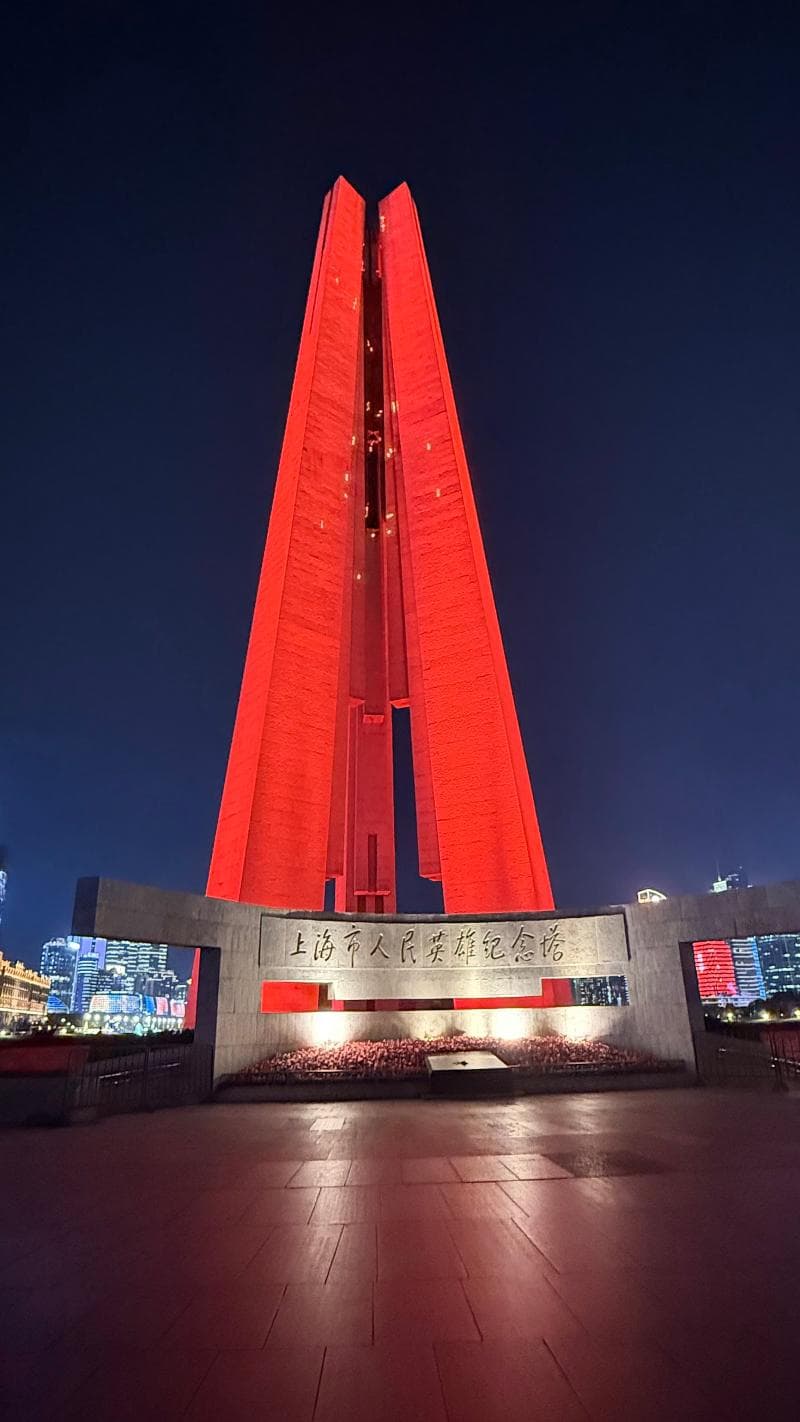
Discover the Historic Buildings Row on The Bund in Shanghai, China – an 'outdoor museum' of diverse Western architecture reflecting a rich past.
Overview
The Historic Buildings Row on The Bund, also known as Waitan, in Shanghai, China, is a legendary waterfront promenade stretching approximately 1.5 kilometers along the western bank of the Huangpu River. This iconic stretch is famously dubbed an 'outdoor museum of architecture' or an 'exhibition of world architecture' due to its remarkable collection of 52 (or more) historic buildings, each showcasing diverse Western architectural styles. It presents a vivid tableau where the past meets the present, offering a dramatic contrast between these well-preserved edifices and the futuristic, gleaming skyscrapers of the Pudong district across the river. For centuries, The Bund has stood as a significant symbol of Shanghai, witnessing its transformation from a small fishing village to a bustling global metropolis.
History & Cultural Background
Before the mid-19th century, the area now known as The Bund was little more than a muddy, reedy riverbank. Its dramatic transformation began after the First Opium War in 1842, when Shanghai was forcibly opened as a trading port under the Treaty of Nanking, leading to the establishment of foreign concessions. The British were among the first to establish a settlement, and soon, other foreign powers like the Americans, French, Germans, and Japanese followed suit.
The period from the late 19th century through the 1920s and 1930s marked The Bund's golden age, transforming it into the financial and commercial heart of East Asia, often referred to as 'China's Wall Street'. Foreign banks, trading houses, consulates, and hotels erected grand buildings that reflected their influence and ambition. These structures were designed in an eclectic mix of Western architectural styles, including Gothic Revival, Baroque, Romanesque, Neoclassical, Renaissance, Beaux-Arts, and the emerging Art Deco style, which Shanghai boasts one of the richest collections of globally. After 1949, with the change in government, many of these buildings were repurposed, initially housing state offices. However, with China's economic reforms in the late 20th century, the Bund was revitalized, with many of these historic properties being meticulously restored and converted into luxury hotels, upscale restaurants, and boutiques, allowing their grandeur to shine once more.
What Makes It Special
The true marvel of Historic Buildings Row lies in its unparalleled architectural diversity and historical integrity. It is not just a collection of old buildings, but a living testament to a unique period of global interaction. The row preserves over fifty distinct buildings, each contributing to an outdoor gallery of architectural styles that range from the soaring spires of Gothic Revival to the classical proportions of Neoclassical and the geometric elegance of Art Deco. This concentration of Western-style buildings on an Asian waterfront is virtually unmatched worldwide. Furthermore, the strategic location of the Historic Buildings Row offers an extraordinary visual dialogue. Standing on the promenade, one can turn from the stately European-style facades of the past to the gleaming, hyper-modern skyscrapers of Pudong, witnessing the full scope of Shanghai's rapid evolution in a single panoramic view. It's this dynamic interplay between a rich, colonial past and a vibrant, futuristic present that truly sets The Bund apart, making it a powerful symbol of China's journey. Many of these beautifully preserved structures now house contemporary businesses, from high-end retail to fine dining and cultural institutions, blending their historic charm with modern functionality.
Stories, Fun Facts & Local Details
The name 'Bund' itself holds a fascinating origin, derived from an Anglo-Indian word meaning 'embankment of a muddy waterfront,' hinting at its humble beginnings. Among the many architectural gems, several stand out with captivating stories. The former Hong Kong and Shanghai Banking Corporation (HSBC) Building, now home to the Shanghai Pudong Development Bank, was once lauded as 'the grandest building east of the Suez.' Inside, its majestic domed banking hall features an exquisite mosaic ceiling that remains a hidden masterpiece. Nearby, the Customs House, built in 1927, is easily recognizable by its impressive clock tower, affectionately nicknamed 'Big Ching' by locals, a nod to London's Big Ben. Another prominent structure is the Fairmont Peace Hotel, formerly the Cathay Hotel, an Art Deco icon built by Sir Victor Sassoon. This hotel is famed for its distinctive copper-green pyramidal roof and its long-standing Jazz Bar, where a house band has been playing nightly since 1980. A fun tidbit from history reveals that the Shanghai Club, located at Bund No. 2, once boasted the world's longest bar, a luxurious mahogany counter stretching an impressive 34 meters. Beyond its architectural grandeur, The Bund is deeply integrated into local life; visitors can often witness locals engaged in morning exercises like Tai Chi along the promenade, especially at dawn. At night, the Historic Buildings Row transforms into a dazzling spectacle as the facades are illuminated, creating a 'crystal palace' effect that is truly enchanting.
Visitor Perspective
For the curious traveler, exploring the Historic Buildings Row on The Bund is a journey through time and architectural splendor. The most rewarding way to experience this unique sub-spot is by taking a leisurely stroll along the pedestrian promenade. This allows for an intimate appreciation of the intricate architectural details and the sheer scale of these historical structures. To truly grasp the contrast between old and new Shanghai, consider visiting during both daylight hours to admire the architecture, and again in the evening when the buildings are beautifully illuminated, offering a mesmerizing light show against the vibrant Pudong skyline. For that quintessential postcard view of the entire Historic Buildings Row, framed by the modern marvels across the water, a short ferry ride across the Huangpu River to the Pudong side is highly recommended. While many buildings now house private businesses, some, like the lobby of the former HSBC Building, are accessible to the public during business hours, offering a glimpse into their opulent interiors. The northern end of The Bund is home to Huangpu Park, a green oasis that also houses the Bund Historical Museum, providing deeper context to the area's rich past. A visit to the Historic Buildings Row is more than just sightseeing; it's an immersive cultural experience that tells the multifaceted story of Shanghai's enduring spirit.
Coordinates: 121.48654, 31.23579
View on Google Maps💬 How Travelers Describe This Place
Based on community votes
Photogenic
872Interesting
846Must See
201Beautiful
121Unique
87
Traveler Stories
Discover memorable experiences shared by travelers who have visited this place.
No traveler stories yet.
Be the first traveler to share what made this place memorable.

Tour
By
Spot
Discover amazing places around the world. Your journey starts here.
Explore
© 2026 TourBySpot. All rights reserved.