Hiking Trails
Split, Croatia
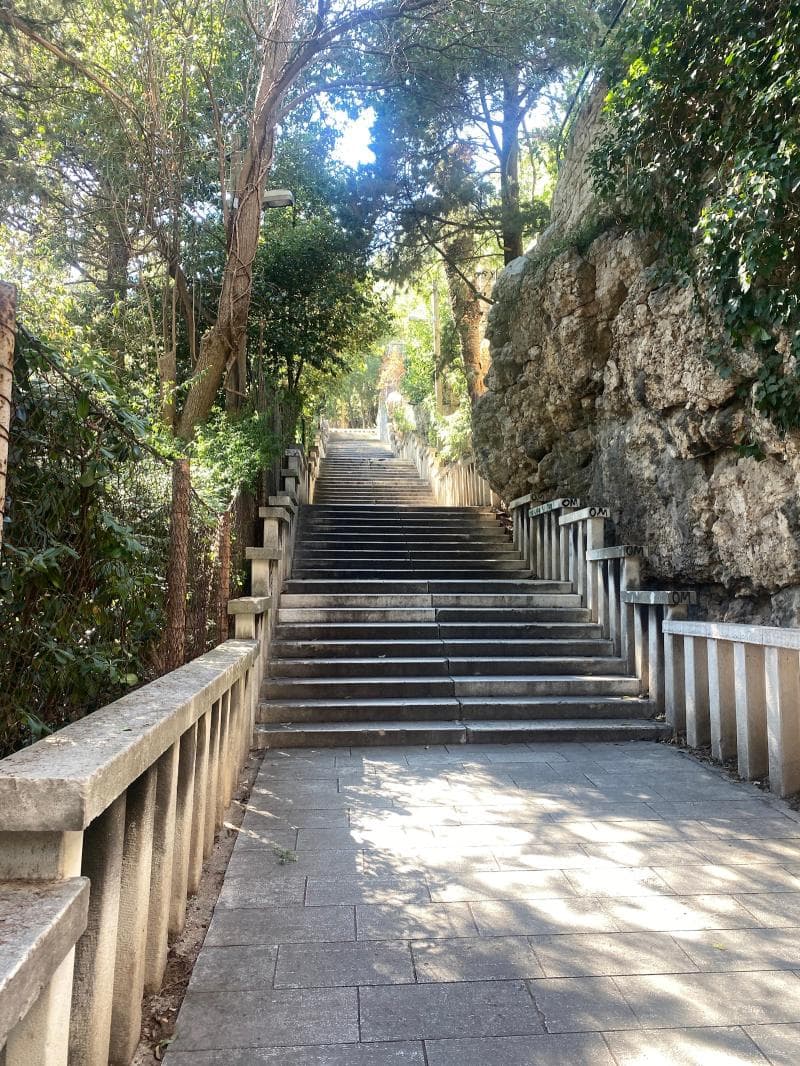
Explore Marjan Hill's hiking trails in Split, Croatia, offering panoramic views, ancient churches, and a serene escape into nature. Discover history and stunning vistas.
Overview
Perched majestically above the bustling city of Split, Marjan Hill, often affectionately called the 'green lungs' of the city, offers a tranquil escape into nature. This forested peninsula, protected as Marjan Forest Park since 1964, is a haven of Mediterranean pine, crisscrossed by an extensive network of hiking trails. Its highest point, Telegrin Peak, reaches 178 meters, providing breathtaking panoramic vistas of Split, the shimmering Adriatic Sea, and the surrounding islands.
Marjan Hill is easily accessible, inviting both locals and curious travelers to explore its natural beauty and historical treasures. Many visitors begin their ascent from the charming Veli Varoš neighborhood, climbing approximately 300 stone steps from the Riva to reach the first viewpoint, Prva Vidilica. This initial climb, typically taking 10-15 minutes, rewards with an iconic view of Split's red-tiled rooftops. From there, well-marked paths lead deeper into the forest, past ancient chapels and ultimately to the summit. The entire hill is a car-free zone in its upper sections, ensuring a peaceful hiking experience.
History & Cultural Background
The story of Marjan Hill is deeply intertwined with that of Split itself, dating back to antiquity. As early as the 3rd century AD, the slopes of Marjan were utilized as parkland by the residents of Emperor Diocletian's Palace, providing a vital recreational space for the Roman populace. This long-standing tradition of valuing Marjan as a natural retreat has continued through the centuries.
Its cultural significance is further underscored by the numerous historical landmarks scattered across its terrain. The Old Jewish Cemetery, established in 1573 near Prva Vidilica, serves as a poignant monument, preserving over 700 graves. Marjan is also home to a collection of charming small churches and chapels, some dating back to the 13th century, such as the Church of St. Nicholas. These sacred sites, alongside intriguing hermitage caves once inhabited by monks, speak volumes about the spiritual history of the hill. The name 'Telegrin Peak' itself holds a historical echo, referring to a telegraph station that once stood there during the Napoleonic era.
In the early 20th century, the Marjan Association played a pivotal role in shaping the hill into the protected forest park it is today, undertaking extensive tree planting and trail building efforts that continue to benefit visitors.
What Makes It Special
What truly sets Marjan Hill's hiking trails apart is their unique blend of accessibility, natural beauty, and rich historical tapestry. Within minutes of leaving the bustling city center, hikers are immersed in a serene pine forest, offering a remarkable contrast to the urban landscape below. The well-maintained trails cater to various fitness levels, from the relatively short climb to Prva Vidilica to longer loops that encompass the entire peninsula.
The views are, without doubt, a primary draw. From multiple vantage points, particularly Telegrin Peak and the newer observatory tower, visitors are treated to expansive panoramas. These vistas stretch across Split's historic core, the busy harbor, and the tranquil expanse of the Adriatic, dotted with islands like Brač, Hvar, and Šolta. The opportunity to witness such a dramatic convergence of natural and urban landscapes is truly special.
Stories, Fun Facts & Local Details
Locals refer to Marjan Hill as the 'lungs of Split', a testament to its role in providing fresh air and a vital green space for the city. It's not just a tourist attraction; it's an integral part of daily life for Split's residents, who frequent its paths for morning runs, leisurely walks, and refreshing swims at its base.
One interesting detail is the historical reason behind Telegrin Peak's name. It comes from a telegraph station established there during the time of Napoleon, highlighting its strategic importance throughout history. Another lesser-known fact is that the hill once appeared on 1st-century maps with a temple dedicated to the goddess Diana, hinting at its ancient spiritual significance.
The network of hiking trails is interwoven with tales of hermits who once sought solitude in the caves carved into Marjan's cliffs, adding a mystical layer to the natural surroundings. Exploring these paths allows one to connect with centuries of human interaction with this remarkable natural landmark.
Visitor Perspective
For the curious traveler, hiking the trails of Marjan Hill offers an unparalleled perspective on Split. It's a chance to escape the summer crowds and discover a different facet of the city. The paths are generally well-marked, though some sections can be uneven, so comfortable footwear is advisable. While the initial climb can be steep, especially in warmer months, the shaded pine forests provide respite, making the ascent enjoyable.
The experience is free and accessible at any time, making it an ideal activity for a sunrise stroll or a sunset viewing. Many choose to combine their hike with a visit to the historic sites along the way, such as the Old Jewish Cemetery or one of the many ancient churches. Whether seeking a vigorous workout, a peaceful communion with nature, or simply the best panoramic photos of Split, Marjan Hill's hiking trails deliver a rewarding and memorable experience.
Coordinates: 16.40833, 43.50833
View on Google Maps💬 How Travelers Describe This Place
Based on community votes
Interesting
972Photogenic
787Beautiful
726Unique
720Must See
300
Traveler Stories
Discover memorable experiences shared by travelers who have visited this place.
No traveler stories yet.
Be the first traveler to share what made this place memorable.

Tour
By
Spot
Discover amazing places around the world. Your journey starts here.
Explore
© 2026 TourBySpot. All rights reserved.