Hiking Trails
Dubrovnik, Croatia
Explore the hiking trails of Lokrum Island in Dubrovnik, Croatia. Discover ancient ruins, botanical gardens, a unique 'Dead Sea' lake, and stunning views.
Overview
Just a short, scenic ferry ride from Dubrovnik's Old Port, Lokrum Island emerges as a verdant oasis, beckoning travelers with its serene landscapes and rich history. This uninhabited island, designated a nature reserve and special forest vegetation reserve, offers a captivating escape, particularly through its well-maintained network of hiking trails. The trails on Lokrum Island are more than just paths; they are invitations to explore an entire ecosystem, connecting visitors to ancient monastic ruins, a unique botanical garden, a curious saltwater lake known as the 'Dead Sea,' and a commanding hilltop fortress. As you traverse these paths, you'll discover the island's dense Mediterranean flora, encounter its resident peacocks, and uncover layers of legend woven into its tranquil atmosphere. The ease of access and the immersive experience make the hiking trails a highlight for anyone seeking a blend of natural beauty and cultural discovery in Dubrovnik, Croatia.
History & Cultural Background
Lokrum Island's narrative is deeply intertwined with its past inhabitants and the legends they left behind. The island's story begins with the Benedictine monks, who established a monastery and abbey here as early as 1023 AD, though some records suggest an earlier settlement around 915 AD. The Benedictines were instrumental in cultivating exotic plants on the island, a tradition that likely gave Lokrum its name, derived from the Latin 'acrumen', meaning 'sour fruit'. These monks resided on Lokrum for centuries, transforming it into a spiritual and agricultural haven. However, their centuries-long presence ended dramatically when they were forced to leave the island, either in 1798 or 1808, during Napoleon's occupation.
Following the Benedictines' departure, the island passed into various hands, notably Archduke Maximilian Ferdinand of Habsburg, who purchased Lokrum in 1859. He built a summer residence and further developed the island's gardens, crisscrossing them with pathways that form the basis of some of today's trails. Maximilian also introduced the peacocks that now freely roam the island, adding to its unique charm. Another notable historical tidbit connects Lokrum to Richard the Lionheart, who, according to legend, was shipwrecked here in 1192 while returning from the Crusades. In gratitude for his salvation, he pledged to build a church on the island, though he was later persuaded by Dubrovnik citizens to fund the construction of the cathedral in the city instead.
What Makes It Special
The hiking trails of Lokrum Island offer a distinctive blend of natural splendor and historical intrigue. As a protected nature reserve, the island boasts an exceptional diversity of Mediterranean flora, much of which can be explored along its well-defined paths. One of the most enchanting features is the Botanical Garden, established in 1959, which showcases an impressive collection of subtropical plants, including numerous species of cacti, succulents, and eucalyptus, many planted by Archduke Maximilian himself. Walking through this garden section of the trails feels like stepping into a living museum of international plant life.
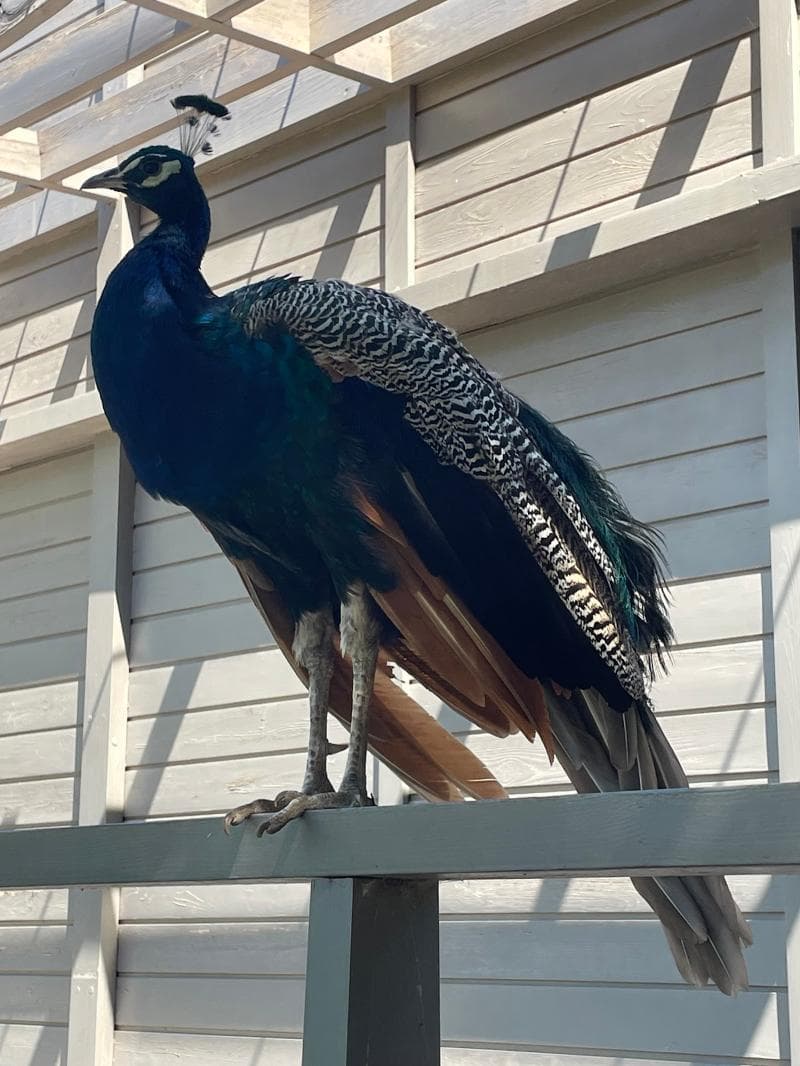
Further along the trails, visitors encounter the captivating 'Dead Sea' (Mrtvo More), a small, tranquil saltwater lake nestled on the island's southern side. This natural wonder, fed by the Adriatic Sea through underground fissures, provides a unique, calm, and often warmer swimming spot, distinct from the open sea. For panoramic vistas, the 'Path of Paradise' leads to Fort Royal, a star-shaped fortress built by the French during the Napoleonic era on the island's highest point. From here, the trails offer breathtaking views of Dubrovnik, the shimmering Adriatic, and the lush island itself. The presence of freely roaming peacocks, direct descendants of those introduced by Maximilian, also adds an unexpected and delightful touch to any stroll.
Stories, Fun Facts & Local Details
Lokrum Island is steeped in captivating stories and local lore that enrich the hiking experience. Perhaps the most famous is the 'Lokrum Curse', a somber legend born from the Benedictine monks' forced eviction. According to the tale, on their final night, the monks processed around the island by candlelight, chanting a curse upon anyone who should ever claim Lokrum for personal gain. The tragic fates of several subsequent owners, including Archduke Maximilian's execution in Mexico and Crown Prince Rudolf's suicide, have fueled belief in this enduring malediction, adding a mysterious aura to the island.
Beyond its ancient curse, Lokrum holds a special place for fans of popular culture. The island served as one of the filming locations for the fictional city of Qarth in the acclaimed television series 'Game of Thrones'. Visitors can even find a replica of the Iron Throne within the Benedictine Monastery ruins, offering a fun photo opportunity amidst historical stones. The thriving population of peacocks, often seen displaying their magnificent plumage, are another charming detail. These birds, descendants of those brought by Maximilian, are an integral part of Lokrum's identity, adding vibrant splashes of color and distinctive calls to the island's soundscape.
Visitor Perspective
Exploring Lokrum's hiking trails is generally considered an easy and rewarding experience, suitable for most fitness levels. The island is a car-free zone, ensuring a peaceful environment, and its well-marked paths allow for self-guided exploration. Upon arrival by ferry, visitors will find maps detailing the various attractions and connecting walking paths, making navigation straightforward. A typical visit might include wandering through the serene Botanical Garden, enjoying a refreshing dip in the 'Dead Sea' lake, and ascending to Fort Royal for unparalleled panoramic views of Dubrovnik and the vast Adriatic. While most paths are gentle, the ascent to Fort Royal can be moderately steep but is well worth the effort for the vistas it provides. As a nature reserve, Lokrum has specific rules, including no smoking and the requirement to stay on marked footpaths, ensuring its preservation for all to enjoy. Visitors should also note that the island is closed to overnight stays and generally inaccessible during the winter months (December to March).
Coordinates: 18.1167, 42.6333
View on Google Maps💬 How Travelers Describe This Place
Based on community votes
Photogenic
954Beautiful
946Must See
439Unique
92Interesting
66
Traveler Stories
Discover memorable experiences shared by travelers who have visited this place.
No traveler stories yet.
Be the first traveler to share what made this place memorable.

Tour
By
Spot
Discover amazing places around the world. Your journey starts here.
Explore
© 2026 TourBySpot. All rights reserved.