Hiking Trails
Marseille, France
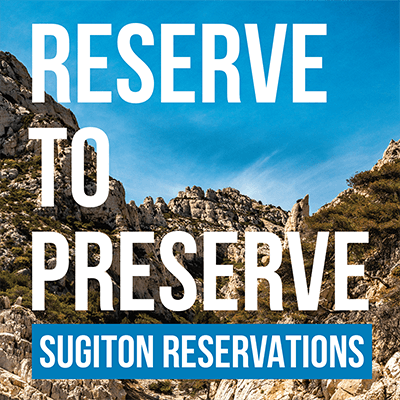
Explore the stunning hiking trails of Calanques National Park in Marseille, France. Discover dramatic cliffs, turquoise waters, and ancient history.
Overview
Nestled along the Mediterranean coast between Marseille and Cassis, Calanques National Park offers an unparalleled hiking experience, a dramatic landscape where towering limestone cliffs plunge into turquoise inlets. Established in 2012, it stands as France's newest national park and a unique example of a park encompassing marine, land, and semi-urban areas. The term 'calanque' itself describes these natural, fjord-like inlets and bays, carved into the coastline over millennia. Hiking trails here provide access to breathtaking vistas and secluded coves, making it a dream destination for nature lovers seeking both adventure and tranquility.
History & Cultural Background
The Calanques boast a history stretching back over 100 million years, with their distinctive geological formations originating from sedimentary rocks formed during the Jurassic and Cretaceous periods. These rocks, composed of accumulated marine micro-organism skeletons, emerged around 60 million years ago due to the collision of the African and European tectonic plates. Evidence of human presence dates back even further, notably with the Cosquer Cave, an extraordinary Paleolithic site containing hand stencils and animal paintings from up to 27,000 years ago, now submerged underwater. Historically, the Calanques served as a natural defensive system for Marseille, with watchtowers and forts built from the Middle Ages onwards. The 19th century saw industrial activity, but by the 1900s, the area began its journey towards preservation, culminating in the creation of the national park in 2012 to protect its exceptional heritage and biodiversity.
What Makes It Special
The Calanques National Park is truly special due to its unique combination of rugged, bone-white limestone cliffs, deep blue Mediterranean waters, and rich biodiversity. It is home to a remarkable 140 protected terrestrial animal and plant species and 60 marine heritage species, showcasing an ecosystem found almost nowhere else. Hikers are rewarded with stunning panoramic views and the chance to discover hidden coves, many of which are only accessible by foot. The crystal-clear turquoise waters invite visitors for a refreshing swim after a challenging hike, offering a unique blend of strenuous activity and serene relaxation. The park also attracts climbers, snorkelers, and divers, drawn by the grip-friendly rocks and varied marine fauna.
Stories, Fun Facts & Local Details
The term 'calanque' describes the steep-sided, narrow inlets that define this coastline, a geological marvel sculpted by water over millions of years. One of the park's most fascinating secrets lies beneath the waves: the Cosquer Cave, an archaeological treasure whose entrance is 37 meters underwater. Its prehistoric art provides a direct link to ancient human life in this landscape. Scattered within some calanques are traditional 'cabanons', small cabins that were historically used by fishermen, offering a glimpse into the local Provençal culture tied to the sea. The sheer scale of the landscape inspired writers like Jean Giono, who vividly described the vertiginous views, such as that of Oule calanque, evoking a sense of awe and the raw power of nature. For the most ambitious hikers, the GR 98-51 trail traverses the entire park, a challenging multi-day trek from Marseille to Cassis that reveals the full spectrum of the Calanques' beauty.
Visitor Perspective
Hiking in Calanques National Park is an unforgettable experience, but it demands careful preparation. Essential items include sturdy hiking shoes (flip-flops are prohibited), ample water (at least 1.5 liters per person for a half-day, as there's no fresh water in the park), sun protection like a hat and sunglasses, and snacks. The trails, while well-marked in many areas, can be rocky and steep, with little shade, especially during the warmer months. It's crucial to stay on marked paths to protect the fragile ecosystem and ensure safety. During summer (June 1st to September 30th), access to certain areas, including hiking trails, may be restricted or closed due to high fire risk, so checking official park conditions before a visit is vital. Many trails are accessible via public transport from Marseille, with Luminy being a common starting point for popular routes like the hike to Calanque de Sugiton.
Coordinates: 5.467, 43.217
View on Google Maps💬 How Travelers Describe This Place
Based on community votes
Interesting
953Beautiful
695Photogenic
658Must See
396Unique
22
Traveler Stories
Discover memorable experiences shared by travelers who have visited this place.
No traveler stories yet.
Be the first traveler to share what made this place memorable.

Tour
By
Spot
Discover amazing places around the world. Your journey starts here.
Explore
© 2026 TourBySpot. All rights reserved.