Hiking Trails
Almaty, Kazakhstan
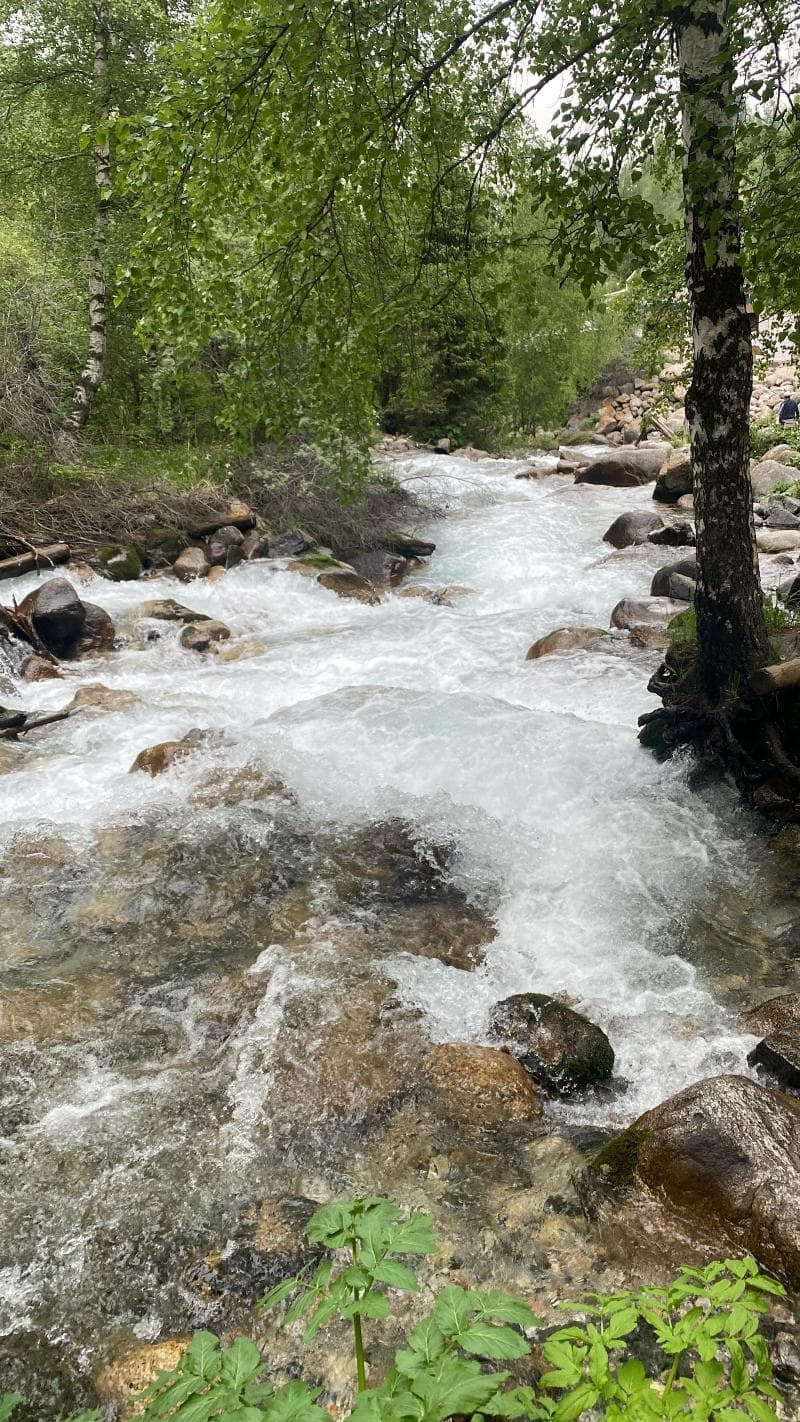
Explore hiking trails at Big Almaty Lake in Almaty, Kazakhstan. Discover stunning alpine scenery, turquoise waters, and cultural insights.
Overview
Nestled high in the Trans-Ili Alatau mountains, a northern spur of the majestic Tian Shan range, Big Almaty Lake (Bolshoye Almatinskoye Ozero) is a stunning alpine reservoir located just 15 kilometers south of Almaty, Kazakhstan. Perched at an altitude of 2,511 meters above sea level, this natural gem is a primary freshwater source for the city of Almaty and a cherished destination for nature enthusiasts. Its crystal-clear waters are renowned for their captivating hues, shifting from vibrant turquoise to deep blue depending on the season, sunlight, and glacial meltwater. The lake stretches approximately 1.6 kilometers in length and up to 1 kilometer in width, with depths reaching 40 meters. Surrounded by towering peaks like Sovetov (4,317 m), Ozyorny (4,110 m), and Turist (3,954 m), the lake offers breathtaking panoramic views, making its hiking trails an unforgettable experience for those seeking both natural beauty and a moderate challenge.
History & Cultural Background
Big Almaty Lake's origins trace back thousands of years, formed by the powerful forces of tectonic movements and glacial activity in the Tien Shan mountains. Over time, melting glaciers filled the basin, creating the natural reservoir seen today. This geological history is still evident in the surrounding landscape, characterized by moraines, steep walls, and U-shaped valleys. Beyond its geological formation, the lake holds immense practical and cultural significance. It is a vital component of Almaty's water supply system, providing essential drinking water to the city. This crucial role means the lake is part of the Ile-Alatau National Park and is a protected area, with strict regulations in place to preserve its pristine condition. There's a local myth that tells of the lake being formed from the tears of a giant, adding a touch of folklore to its natural grandeur, though its true story is one of ice and earth.
What Makes It Special
What truly sets Big Almaty Lake apart is its unparalleled aesthetic appeal and dynamic beauty. The most striking feature is undoubtedly the lake's water itself, which performs a spectacular display of changing colors. From milky white and pale green in spring to dazzling turquoise in summer and early autumn, and deep blue in cloudy weather, the lake's appearance is in constant flux, dictated by the mineral content of the glacial meltwater and the angle of the sun. This visual spectacle is framed by the dramatic, snow-capped peaks of the Trans-Ili Alatau, creating a landscape that feels both serene and powerfully rugged. The area's relatively untouched nature provides a refreshing escape from urban life, allowing visitors to immerse themselves in alpine meadows, lush forests, and diverse flora and fauna. The presence of the Tian Shan Astronomical Observatory nearby also adds a scientific allure, offering a glimpse into celestial wonders from its high-altitude vantage point.
Stories, Fun Facts & Local Details
Known affectionately as the 'Pearl of the Tien Shan,' Big Almaty Lake is more than just a scenic spot; it's a testament to nature's enduring power and a source of quiet pride for locals. The story of its glacial and tectonic birth thousands of years ago highlights the dynamic geological history of the region. The charming myth of a giant's tears creating the lake speaks to the deep connection people have felt with this natural wonder for generations. However, its primary function as Almaty's freshwater reservoir is a practical detail that profoundly impacts visitor rules; swimming is strictly forbidden to protect this vital resource. Furthermore, the area is considered a border zone close to Kyrgyzstan, meaning visitors may be required to present their passports at checkpoints. An exciting development for hikers is the Almaty authorities' plan to complete a new, organized 5.3-kilometer hiking trail by the end of 2026. This project aims to enhance safety, accessibility, and environmental management for the increasing number of visitors.
Visitor Perspective
Hiking to Big Almaty Lake offers a rewarding experience for those with a moderate level of fitness. The most common hiking route from the last eco-checkpoint is approximately 10 kilometers round trip, taking about 4 to 6 hours to complete, with an elevation gain of around 800 meters. There are generally two paths from the checkpoint: a longer, more gradual incline along the road, or a shorter, steeper shortcut that follows a water pipeline. While the trek presents some steep sections, it is generally considered manageable. The best time to visit is typically from May to October, when the weather is most favorable and the lake's colors are at their most vivid. It's crucial for visitors to bring sufficient water, snacks, and appropriate gear, as services at the lake are limited. Due to its status as a protected water source, swimming is prohibited, and drones may require authorization. With the planned new organized hiking trail set to open in 2026, visitors can anticipate an even more structured and enjoyable journey, designed to balance tourism with the imperative of environmental preservation.
Coordinates: 76.985, 43.0506
View on Google Maps💬 How Travelers Describe This Place
Based on community votes
Unique
804Interesting
733Beautiful
563Photogenic
404Must See
63
Traveler Stories
Discover memorable experiences shared by travelers who have visited this place.
No traveler stories yet.
Be the first traveler to share what made this place memorable.

Tour
By
Spot
Discover amazing places around the world. Your journey starts here.
Explore
© 2026 TourBySpot. All rights reserved.