Herengracht
Amsterdam, Netherlands
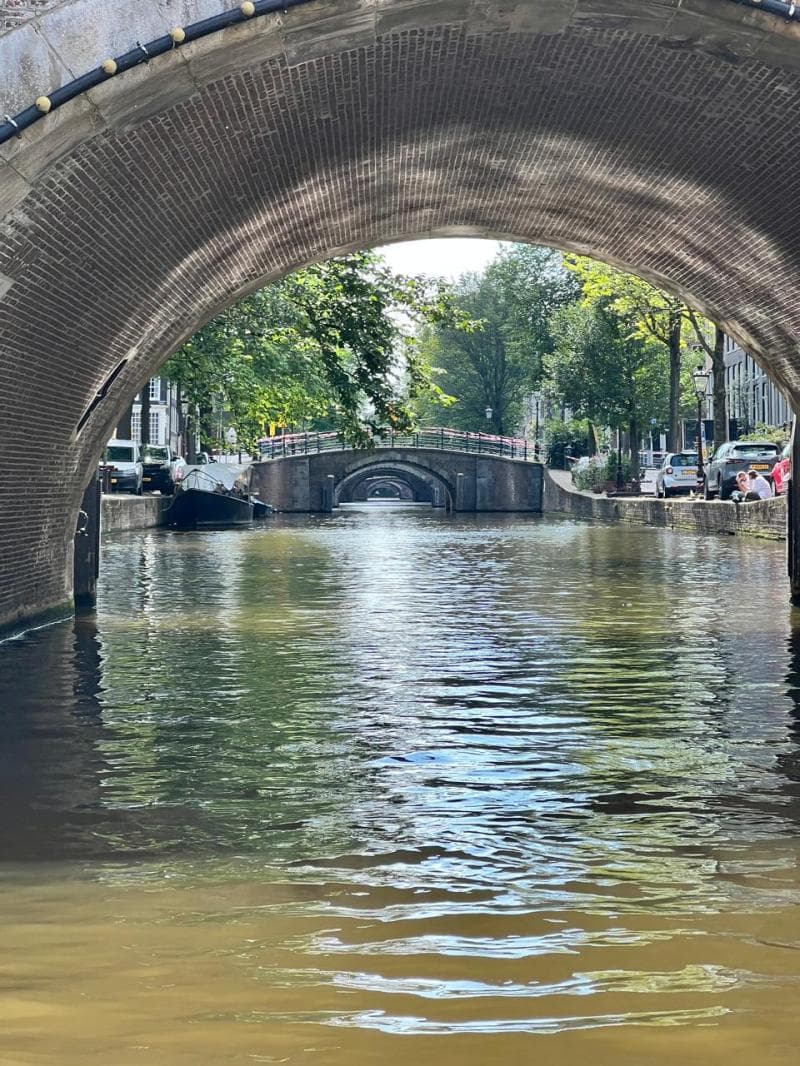
Explore Herengracht, the 'Gentlemen's Canal' in Amsterdam, Netherlands. Discover its Golden Age history, opulent mansions, and UNESCO World Heritage status.
Overview
The Herengracht, often translated as the 'Gentlemen's Canal' or 'Patricians' Canal', stands as a magnificent testament to Amsterdam's Golden Age. It is the second of the three main concentric canals that form the iconic Amsterdam Canal Ring, a UNESCO World Heritage site since 2010. Stretching approximately 2.4 kilometers from the Brouwersgracht in the north to the Amstel River in the southeast, the Herengracht was historically home to the city's wealthiest merchants, regents, and influential figures. Its tree-lined banks and grand gabled townhouses present a picturesque urban landscape, embodying centuries of architectural and cultural significance.
History & Cultural Background
The construction of the Herengracht began in 1612, a pivotal moment in Amsterdam's ambitious urban expansion known as the 'Grachtengordel' (canal belt). This visionary project was initiated to accommodate the city's rapidly growing population and enhance its trading capabilities during the Dutch Golden Age. City engineers like Hendrick Jacobsz. Staets and Daniel Stalpaert were instrumental in designing this intricate network, transforming marshland into a meticulously planned urban center. The canal's name, 'Herengracht', directly reflects its prestigious intent, as plots were reserved for the city's elite. These affluent citizens, many of whom were directors and merchants of the powerful Dutch East India Company, built lavish homes that showcased their immense wealth and status. The Herengracht, along with the Keizersgracht and Prinsengracht, became a symbol of Amsterdam's innovative 17th-century urban planning and hydraulic engineering, earning the entire canal ring its well-deserved UNESCO World Heritage status in 2010.
What Makes It Special
What truly sets the Herengracht apart is its unparalleled architectural grandeur and the stories embedded within its historic facades. The most celebrated stretch is undoubtedly the 'Gouden Bocht' or 'Golden Bend', located between the Leidsestraat and Vijzelstraat. This area is renowned for its extraordinarily large and ornate mansions, often built on double-wide plots, signifying the immense fortunes of their original owners. These canal houses exhibit diverse and elegant gable styles, including stepped, neck, and bell gables, often adorned with intricate cornices and sash windows. Even today, an address on the Herengracht carries significant prestige. Beyond its aesthetic appeal, the Herengracht houses several notable cultural institutions and museums, many of which are housed within these preserved 17th-century mansions, offering a glimpse into the opulent lives of Amsterdam's patrician class.
Stories, Fun Facts & Local Details
- One of the most remarkable stories linked to the Herengracht involves the West India House, located near the canal's beginning at Herenmarkt. It was here, in 1625, that the decision was made to found New Amsterdam, a settlement later renamed New York.
- Visitors can find the city's oldest residential house at Herengracht number 81, a traditional merchant's house built in 1590 with a distinctive step gable.
- The canal also features architectural ensembles like the Cromhout Houses (numbers 364-370), a series of four classical-style mansions built for the wealthy merchant Jacob Cromhout, featuring a garden with biblical themes.
- Another interesting detail is the historic Herengracht 105 building, constructed in 1952 on a site previously destroyed in 1940. It features unique coffee bean decorations, paying homage to its original tenant, a coffee trader.
- A truly picturesque spot for photographers is where the Reguliersgracht meets the Herengracht, offering a unique vantage point to see up to 15 bridges simultaneously, especially enchanting when lit at night.
Visitor Perspective
Exploring the Herengracht offers a captivating journey through Amsterdam's past and present. The canal is best experienced by a leisurely stroll along its banks, a bicycle ride, or, most popularly, by a canal boat tour. These tours provide a unique perspective on the historic buildings and bridges, offering insights into the city's remarkable urban development. Many of the grand buildings that once housed wealthy merchants have been transformed into elegant boutiques, cozy cafes, fine restaurants, and fascinating museums. Notable museums along the Herengracht include the Museum Willet-Holthuysen, offering a glimpse into 17th-century opulence, and the charming KattenKabinet, an art museum dedicated solely to felines. The Het Grachtenhuis, or Museum of the Canals, provides an interactive and engaging way to understand the incredible history and construction of Amsterdam's Canal Ring. Whether by land or water, the Herengracht promises a rich cultural immersion, revealing the enduring legacy of Amsterdam's Golden Age.
Coordinates: 4.88778, 52.365
View on Google Maps💬 How Travelers Describe This Place
Based on community votes
Unique
915Photogenic
873Beautiful
123Must See
74Interesting
53
Traveler Stories
Discover memorable experiences shared by travelers who have visited this place.
No traveler stories yet.
Be the first traveler to share what made this place memorable.

Tour
By
Spot
Discover amazing places around the world. Your journey starts here.
Explore
© 2026 TourBySpot. All rights reserved.