Henry VII Lady Chapel
London, United Kingdom
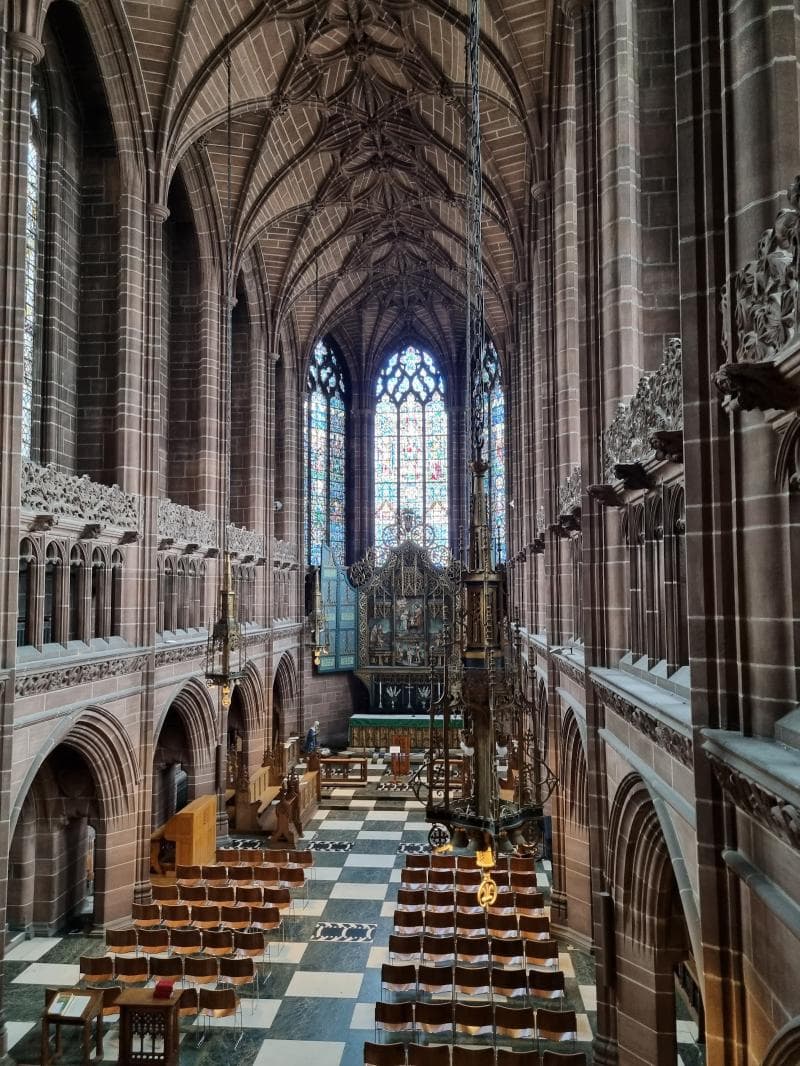

Explore the Henry VII Lady Chapel, a Perpendicular Gothic masterpiece within Westminster Abbey, London, home to royal tombs and stunning fan vaulting.
Overview
Nestled within the grand expanse of Westminster Abbey in London lies the breathtaking Henry VII Lady Chapel, a true marvel of late medieval English architecture. Often hailed as 'the wonder of the world' by the 16th-century historian John Leland, this chapel is a testament to King Henry VII's ambition and devotion. Its most iconic feature is undoubtedly its spectacular pendant fan-vaulted ceiling, which draws the eye upwards in a mesmerizing display of stonework. This sacred space serves not only as an architectural masterpiece but also as the final resting place for numerous English monarchs and members of the royal family, making it a profound site of historical and cultural significance.
History & Cultural Background
The story of the Henry VII Lady Chapel begins in 1502 when King Henry VII planned a new chapel to replace an earlier 13th-century Lady Chapel dedicated to the Virgin Mary. Construction commenced on January 24, 1503, and was largely completed by 1516, although Henry VII himself passed away in 1509. Henry VII's motivations were multifaceted. His primary goal was to create a magnificent shrine to honor and house the body of King Henry VI, who he hoped would be canonized. This would further legitimize his relatively new Tudor dynasty. Additionally, he sought to dedicate a more elaborate chapel to the Virgin Mary and establish a grand royal mausoleum for himself, his wife Elizabeth of York, and their descendants. The king lavished immense sums on its construction, allocating over £14,000 between 1503 and 1509, with the final cost estimated around £20,000. This substantial investment underscored his desire for an unforgettable burial place, a sentiment captured by Francis Bacon who noted that Henry VII 'dwelleth more richly dead in the monument of his tomb than he did alive'.
What Makes It Special
The Henry VII Lady Chapel stands as the last great masterpiece of English Perpendicular Gothic architecture. Its distinctiveness is immediately apparent in its magnificent fan-vaulted ceiling, which Andrew Reynolds described as 'the most perfect example of a pendant fan vault'. This was pioneering for its time, being the first ceiling to combine pendant elements with fan vaulting, creating an illusion of intricate stone lace hanging from above. The chapel's entrance is guarded by fine bronze gates, possibly designed by Thomas Ducheman, which feature various Tudor badges like the portcullis, falcon, and Tudor rose, symbols of the dynasty's power. At the east end lies the imposing tomb of Henry VII and Elizabeth of York, crafted by the brilliant Florentine Renaissance sculptor Pietro Torrigiano. Their gilded bronze effigies are considered England's earliest Renaissance artwork. Since 1725, the chapel has also served as the spiritual home of the Order of the Bath, with the colorful heraldic banners of its knights adding a vibrant layer to the chapel's solemn grandeur.
Stories, Fun Facts & Local Details
Beyond its architectural beauty, the chapel is steeped in human stories and rich history. It is the burial place of an astonishing fifteen kings and queens, making it a pivotal royal necropolis. Among the most compelling are the interred remains of Elizabeth I and her half-sister Mary I, who, despite their profound religious and political differences in life, share a tomb in the north aisle. Their tomb bears a poignant inscription suggesting a reconciliation in death that eluded them in life. Mary, Queen of Scots, also rests here, moved from her original burial place by her son James I. Henry VII and Elizabeth of York themselves are interred in a vault beneath their elaborate monument. Another notable feature is the RAF Chapel, situated in one of the apsidal chapels, which commemorates those who lost their lives in the Battle of Britain. Look carefully around the walls and you'll find 95 statues of saints, including the bearded St Wilgefort. For visitors, a mirror is sometimes placed on the floor to allow for an uninterrupted view of the astounding ceiling.
Visitor Perspective
Visiting the Henry VII Lady Chapel is an integral part of the Westminster Abbey experience, offering a profound journey into English history and architectural genius. Its location at the far eastern end of the Abbey makes it a climactic point of any tour. Access to the chapel is included with all valid Westminster Abbey tickets, and visitors typically reach it via the Abbey's standard route. Stepping into the chapel, one is immediately enveloped by a sense of awe, created by the sheer scale and intricate detail of the fan vaulting overhead and the solemn presence of the royal tombs. While the Abbey as a whole can be bustling, the Lady Chapel often inspires a quieter, more reflective atmosphere. Multimedia guides provided with admission help bring the stories of the chapel and its inhabitants to life, enhancing the appreciation for this 'wonder of the world'.
Coordinates: -0.12695, 51.4993
View on Google Maps💬 How Travelers Describe This Place
Based on community votes
Must See
670Photogenic
620Unique
594Beautiful
166Interesting
83
Traveler Stories
Discover memorable experiences shared by travelers who have visited this place.
No traveler stories yet.
Be the first traveler to share what made this place memorable.

Tour
By
Spot
Discover amazing places around the world. Your journey starts here.
Explore
© 2026 TourBySpot. All rights reserved.