Harbor Viewpoints
Helsinki, Finland
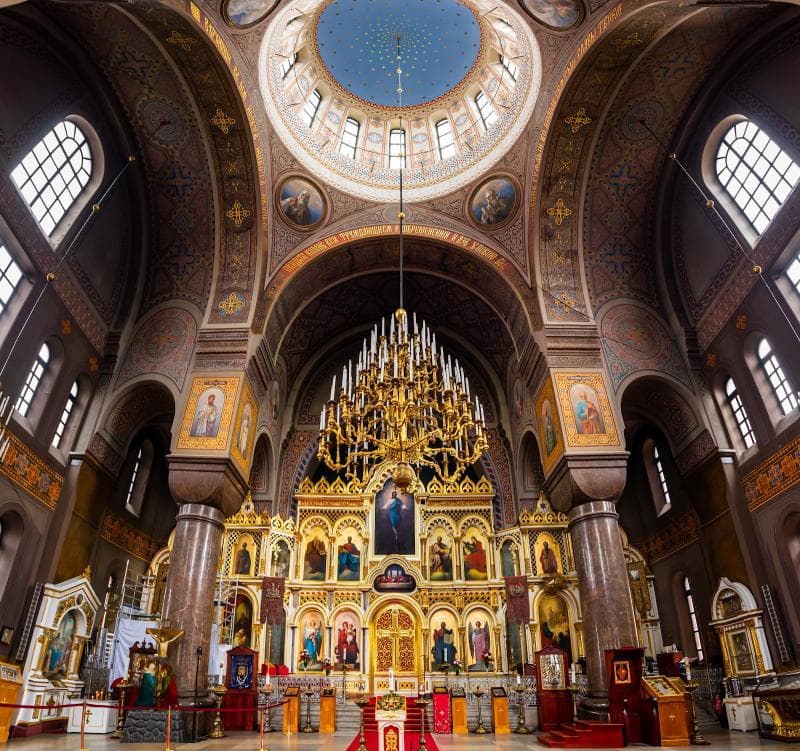
Discover Uspenski Cathedral in Helsinki, Finland, a stunning Eastern Orthodox church offering breathtaking harbor viewpoints and rich history.
Overview
Perched majestically on the Katajanokka peninsula, the Uspenski Cathedral stands as a striking landmark in Helsinki, Finland. This grand Eastern Orthodox cathedral, dedicated to the Dormition of the Theotokos (the Virgin Mary), is not only the largest Orthodox church in Northern and Western Europe but also a significant historical and architectural marvel. Its prominent red-brick exterior, adorned with thirteen gleaming golden onion domes, immediately captures the eye, distinguishing it against the city's skyline.
From its elevated position, the cathedral's grounds naturally form what could be described as exceptional 'Harbor Viewpoints'. Visitors are treated to breathtaking panoramic vistas of Helsinki's bustling South Harbor, the surrounding Baltic Sea, and the charming urban landscape, creating a memorable experience. The cathedral's commanding presence and unique architectural style make it an unmissable destination for those exploring Finland's capital.
History & Cultural Background
The Uspenski Cathedral’s construction period, from 1862 to 1868, intertwines deeply with Finland's past as an autonomous Grand Duchy under Russian rule. Designed by the renowned Russian architect Aleksey Gornostayev, the cathedral embodies a distinctive Russian-Byzantine revival style. Sadly, Gornostayev passed away in 1862, before his magnificent vision was fully realized, with Ivan Varek taking over to complete the project.
A fascinating detail of its construction involves the approximately 700,000 bricks used, which were transported by barge from the Bomarsund Fortress in the Åland Islands, destroyed during the Crimean War. This resourceful use of materials adds a layer of historical intrigue to the cathedral's foundation. The cathedral was consecrated on October 25, 1868, fulfilling the need for a larger place of worship for Helsinki's growing Orthodox community. It stands today as a powerful symbol of Eastern influence and the rich cultural tapestry of Finland's history.
What Makes It Special
What truly sets Uspenski Cathedral apart is its captivating blend of architectural grandeur and strategic location. The thirteen golden onion domes, each representing Christ and the twelve apostles, shimmer brilliantly, especially when bathed in the Nordic sun, making them visible from various points across Helsinki. The central dome alone rises to a height of 33 meters, contributing to its imposing silhouette.
The cathedral's striking red-brick facade, contrasted with its gilded domes, offers a visual spectacle unlike many other structures in the city, particularly when compared to Helsinki's more austere Lutheran Cathedral. Beyond its aesthetic appeal, its elevated position on the Katajanokka peninsula ensures that the cathedral itself functions as an expansive viewpoint, providing unparalleled views of the city's harbor, islands, and architectural details. It's a place where history, faith, and stunning natural scenery converge.
Stories, Fun Facts & Local Details
The story of the Uspenski Cathedral is dotted with interesting facts. The repurposing of bricks from the Bomarsund Fortress links its very fabric to significant regional events. Although its architect, Aleksey Gornostayev, did not live to see its completion, his design left an indelible mark on Helsinki's urban landscape.
Its prominent position overlooking the harbor has led to the area around the cathedral, particularly its outdoor steps and rocky outcrops, becoming a popular informal lookout point. In summer, visitors and locals alike gather here to enjoy the cool sea breeze and watch the ships navigate the waters, a perfect spot for capturing postcard-worthy photographs of the cityscape and harbor. The cathedral's visual impact is so significant that it often draws comparisons between Helsinki and the Russian city of St. Petersburg, highlighting the shared architectural heritage.
Visitor Perspective
Visiting the Uspenski Cathedral offers a journey into spiritual contemplation and visual delight. While the interior boasts ornate iconography, beautiful frescoes, and a magnificent iconostasis, the exterior and its surrounding grounds provide the 'Harbor Viewpoints' that draw many. Expect a peaceful atmosphere, as it remains an active place of worship.
Entry to the cathedral for adults typically incurs a small fee, though children under 18 can enter for free. It is advisable to check the official website for current opening hours, as these can vary, especially during religious services. Visitors are encouraged to dress modestly and maintain a respectful demeanor. Whether admiring the intricate details inside or soaking in the panoramic harbor views from its elevated rocky setting, the Uspenski Cathedral offers a rich and rewarding experience for any curious traveler in Helsinki.
Coordinates: 24.96, 60.1685
View on Google Maps💬 How Travelers Describe This Place
Based on community votes
Beautiful
953Unique
658Photogenic
585Interesting
69Must See
22
Traveler Stories
Discover memorable experiences shared by travelers who have visited this place.
No traveler stories yet.
Be the first traveler to share what made this place memorable.

Tour
By
Spot
Discover amazing places around the world. Your journey starts here.
Explore
© 2026 TourBySpot. All rights reserved.