Hanseatic Museum
Bergen, Norway
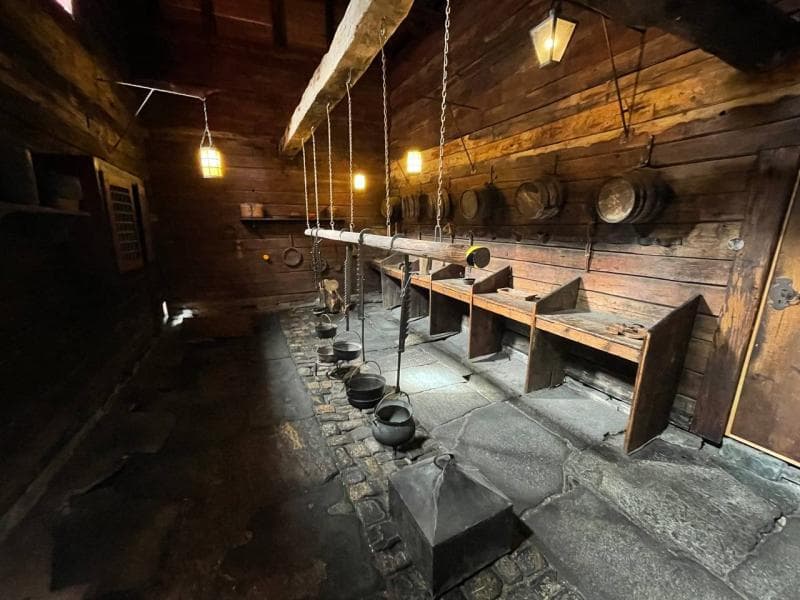
Explore the Hanseatic Museum in Bergen, Norway, part of the UNESCO World Heritage Site Bryggen, to discover the lives of medieval merchants. Delve into 400 years of trade history and cultural exchange.
Overview
Nestled within the iconic Bryggen wharf in Bergen, Norway, the Hanseatic Museum and Schøtstuene offers a compelling journey back to a bygone era. This unique museum complex provides an authentic glimpse into the lives of the Hanseatic merchants who dominated trade in Northern Europe for centuries. As part of the Bryggen UNESCO World Heritage Site, the museum stands as a vital storyteller of Bergen's rich past, detailing how these German traders shaped the city into a bustling international port.
Unlike conventional museums, the Hanseatic Museum is housed in one of the best-preserved original trading houses in Bryggen, Finnegården. The experience is enhanced by visiting the nearby Schøtstuene, the communal assembly halls that were integral to the merchants' daily lives and unique social structure. Together, they offer an immersive narrative of trade, culture, and daily routines that defined Bergen during the Hanseatic period.
History & Cultural Background
The story of the Hanseatic presence in Bergen began in the 13th century when German merchants arrived to trade grain for Norway's prized stockfish. This exchange quickly established Bergen as one of Northern Europe's most significant trading hubs. By 1360, the Hanseatic League had established its German Office (Kontor) at Bryggen, marking the beginning of a 400-year period of profound influence.
The main museum building, Finnegården, stands as a testament to this history. Although Bryggen experienced several devastating fires, notably in 1702, the current structure of Finnegården was rebuilt in 1704, retaining the architectural style and layout of the period. The museum itself was founded in 1872 by Johan Wilhelm Wiberg, who diligently collected original artifacts from Bryggen and surrounding farms to preserve this unique heritage. Crucially, the Schøtstuene served as the merchants' assembly rooms and cook houses. Due to the constant risk of fire in the densely packed wooden trading houses along Bryggen, cooking and heating were strictly forbidden there. Thus, all meals, meetings, and social gatherings took place in these separate, specially designed buildings, preserving the wooden structures of the wharf.
What Makes It Special
What truly sets the Hanseatic Museum apart is its commitment to authenticity. Stepping inside Finnegården is like stepping directly into the 18th century. The museum retains its original interiors, featuring low, narrow rooms, creaking floorboards, and minimal natural light filtering through small, warped windowpanes. This deliberate preservation allows visitors to physically sense the conditions in which the merchants lived and worked.
The museum showcases an authentic trading room, including a merchant's office, sleeping quarters for apprentices (known as 'boys'), and a guestroom. All items on display are original, offering a genuine insight into the tools, ledgers, and everyday objects of the era. Furthermore, the Schøtstuene are unique globally as the last remaining Hanseatic assembly rooms, immaculately restored to reflect their former glory. These rooms provide a fascinating contrast to the living quarters, showcasing where important decisions were made, and community life unfolded. Sound installations and 'smell boxes' at Schøtstuene even recreate the sensory atmosphere of medieval Bergen, further immersing visitors in the past.
Stories, Fun Facts & Local Details
Life for the Hanseatic merchants, especially the young apprentices, was far from luxurious. The museum vividly illustrates the strict hierarchy and rigid rules that governed their community. Apprentices, often referred to as 'boys,' would sleep in tiny sleeping alcoves, sometimes sharing beds, in cramped conditions. A striking 'fun fact' (though perhaps not so fun for them) is the strict prohibition against Hanseatic employees socializing with Norwegian women or marrying locally, isolating them culturally and linguistically within their German-speaking enclaves.
The lingering scent of dried cod, a key commodity, is an authentic detail that often permeates the museum, enhancing the feeling of stepping into a historical trading post. Original artifacts like account ledgers, kitchen utensils, and fish-weighing tools tell the European economic story that unfolded in Bergen. Even a 'secret staircase' from the merchant's office leading to a summer bedroom accessed through a cabinet reveals the ingenuity and practicality of their living arrangements.
It is worth noting that while the main Hanseatic Museum building (Finnegården) has undergone renovation, the Schøtstuene and guided tours starting from there continue to bring this history to life.
Visitor Perspective
Visiting the Hanseatic Museum and Schøtstuene is an intimate experience. The unheated historical buildings mean that during colder months, dressing warmly is advisable, much as the merchants themselves would have done. This adds another layer of authenticity to the visit. The low light and close quarters help to evoke the demanding lives of these traders, providing a powerful contrast to modern living.
Guided tours, often departing from Schøtstuene, are highly recommended. Led by knowledgeable specialists, these tours translate the creaking floorboards and preserved artifacts into vivid stories, making the history accessible and memorable for all ages. Tours are available in several languages, deepening the understanding of Bryggen's significance within the Hanseatic League's trading network. After immersing yourself in the museum's history, wandering through the narrow alleyways and courtyards of Bryggen itself provides an enhanced appreciation for this UNESCO World Heritage Site.
Coordinates: 5.325929, 60.396051
View on Google Maps💬 How Travelers Describe This Place
Based on community votes
Interesting
800Must See
658Beautiful
589Photogenic
387Unique
90
Traveler Stories
Discover memorable experiences shared by travelers who have visited this place.
No traveler stories yet.
Be the first traveler to share what made this place memorable.

Tour
By
Spot
Discover amazing places around the world. Your journey starts here.
Explore
© 2026 TourBySpot. All rights reserved.