Hanbok Stores
Seoul, South Korea
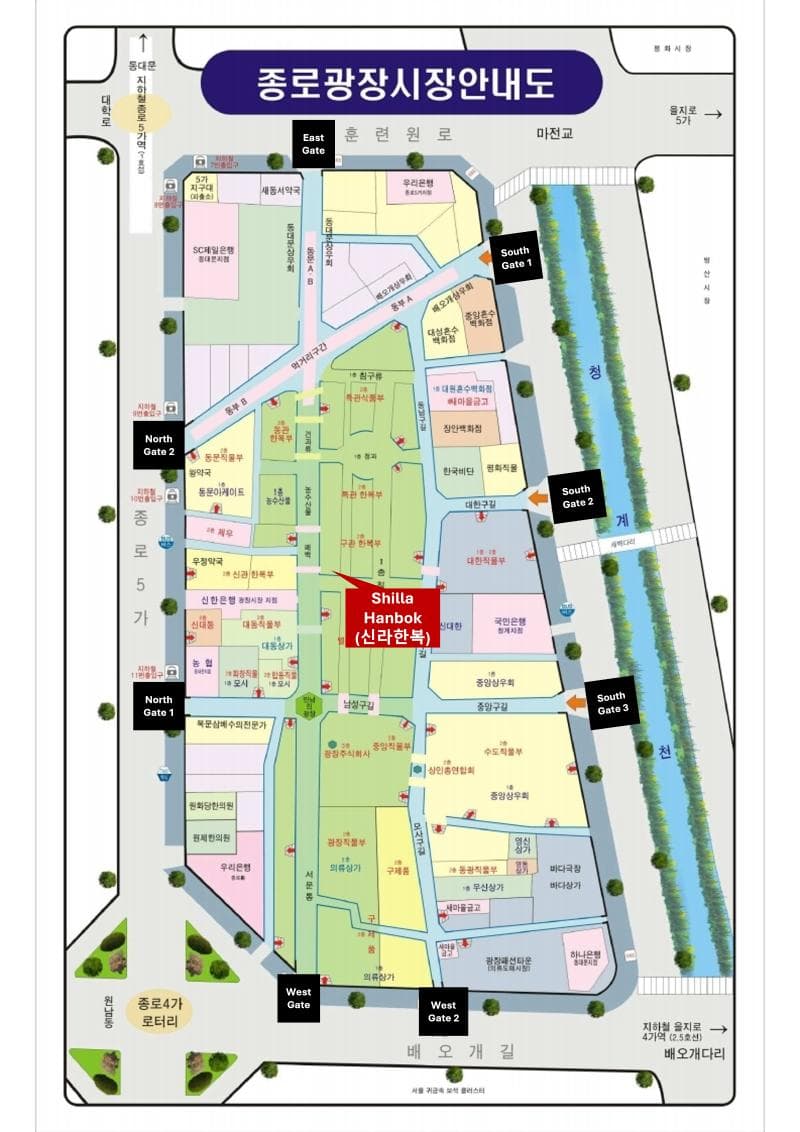
Explore traditional Hanbok stores in Seoul's historic Gwangjang Market. Discover authentic Korean attire, custom tailoring, and cultural insights.
Overview
Stepping into Gwangjang Market in Seoul, South Korea, is an immersion into a vibrant tapestry of Korean culture, and among its many treasures are the dedicated Hanbok stores. Far more than just clothing, Hanbok represents centuries of Korean heritage, aesthetics, and philosophy. These stores, primarily located on the market’s second floor, offer a unique opportunity to explore, admire, and even acquire this beautiful traditional attire. Here, visitors can find a wide array of Hanbok, from ready-to-wear pieces to custom-tailored garments, all steeped in authenticity and often at more accessible prices than elsewhere. It's a place where the artistry of Korean textiles comes alive, presenting a tangible link to the nation's past.
History & Cultural Background
Gwangjang Market, established in 1905, holds the distinction of being Korea's first permanent market. Born out of a need for a stable trading hub, it quickly became a central point for various goods, particularly textiles and fabrics. This historical foundation has allowed its Hanbok section to flourish, preserving traditional craftsmanship. The Hanbok itself boasts an even longer history, with its origins traceable to the Three Kingdoms period (57 BCE to 668 CE). Evolving through dynasties like Goryeo and Joseon, its design adapted to lifestyle, social status, and aesthetic sensibilities, gradually transforming from everyday wear to formal and ceremonial attire. Traditionally, the Hanbok’s vibrant colors and flowing lines were not merely decorative; they reflected deep philosophical meanings, such as harmony, modesty, and elegance. For instance, the 'obangsaek,' or five traditional colors (red, blue, green, yellow, white), each carries symbolic significance, from purity to passion.
What Makes It Special
What sets the Hanbok stores in Gwangjang Market apart is their unwavering commitment to traditional styles and the option for bespoke creation. Unlike shops focusing on modernized versions, the market's vendors emphasize the classic Hanbok, offering an authentic experience for those seeking genuine Korean traditional dress. Visitors can delve into a vast selection of fabrics, patterns, and colors, allowing for a deeply personalized choice. The opportunity to have a Hanbok custom-made is a significant draw, where skilled artisans meticulously craft each piece, from selecting the finest silks and cottons to ensuring a perfect fit. This level of customization, combined with competitive pricing, makes Gwangjang Market a premier destination for purchasing a high-quality, handcrafted Hanbok. The atmosphere of a bustling traditional market also adds a layer of cultural immersion that cannot be replicated in a modern boutique setting.
Stories, Fun Facts & Local Details
The Hanbok section of Gwangjang Market is a treasure trove of local stories. Many of the shops have been run by the same families for generations, embodying a continuity of tradition and expertise. It's common to see local families preparing for significant life events here, as Hanbok is indispensable for occasions like weddings, Seollal (Lunar New Year), Chuseok (Korean Thanksgiving), and 'doljanchi' (a child's first birthday). A fascinating historical detail is Korea's nickname, 'the white-clad people,' reflecting a long-standing preference for white Hanbok, which symbolized purity and resilience, particularly among commoners. This historical resonance adds emotional depth to the shopping experience. Furthermore, the market's Hanbok are often handmade, allowing visitors to appreciate the intricate details and quality of traditional craftsmanship up close.
Visitor Perspective
For a curious traveler, a visit to the Hanbok stores in Gwangjang Market is a memorable cultural journey. The second floor, often less crowded than the bustling food alleys, provides a more serene environment for exploring. Expect a diverse range of choices, from children's Hanbok to intricate adult designs. If opting for a custom-made Hanbok, be prepared for a tailoring process that can take anywhere from two to five weeks, depending on the complexity and materials chosen. Prices for custom Hanbok typically range from 200,000 to 700,000 Korean won, making it a significant, yet worthwhile, investment in a unique cultural souvenir. The patient process, from selecting fabrics to multiple fittings, becomes part of the travel story, culminating in a beautiful, personalized garment that connects you directly to Korea's rich heritage. It is advisable to visit during weekdays or earlier in the day for a less hurried experience.
Coordinates: 126.99951, 37.57022
View on Google Maps💬 How Travelers Describe This Place
Based on community votes
Must See
898Photogenic
853Beautiful
667Interesting
190Unique
32
Traveler Stories
Discover memorable experiences shared by travelers who have visited this place.
No traveler stories yet.
Be the first traveler to share what made this place memorable.

Tour
By
Spot
Discover amazing places around the world. Your journey starts here.
Explore
© 2026 TourBySpot. All rights reserved.