Hall Of The Sky
Los Angeles, United States
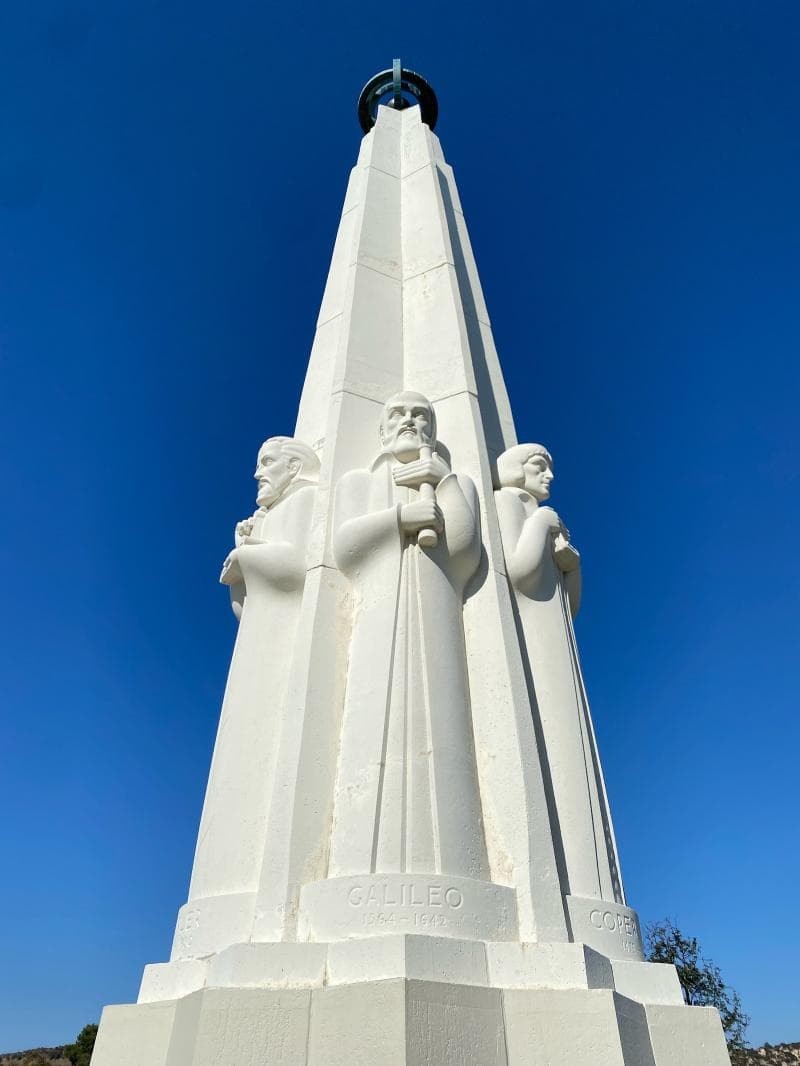
Explore the Ahmanson Hall of the Sky at Griffith Observatory in Los Angeles, United States, revealing the Sun, Moon, and Earth's celestial dance.
Overview
Nestled within the iconic Griffith Observatory in Los Angeles, United States, the Ahmanson Hall of the Sky offers a captivating journey into the fundamental mechanics that govern our existence. Often referred to simply as the 'Hall of the Sky,' this exhibit area is a central part of the Observatory's mission to make astronomy accessible to everyone.
Located on the main level of the grand Art Deco building, the Hall of the Sky delves into the profound influence of the Sun, Moon, and Earth on our daily lives and the very concept of time. It invites curious travelers to explore how these celestial bodies orchestrate phenomena such as day and night, the rhythmic change of seasons, the delicate phases of the Moon, and the powerful pull of ocean tides.
History & Cultural Background
The story of the Ahmanson Hall of the Sky is intrinsically linked to the visionary legacy of Griffith J. Griffith, who in his 1919 will, bequeathed funds to create an observatory, exhibit hall, and planetarium for the public. His revolutionary idea was to democratize astronomy, making it available not just to scientists in remote mountain outposts, but to the everyday person in a bustling city.
The Griffith Observatory, housing the Hall of the Sky, first opened its doors on May 14, 1935, quickly becoming a beacon of public science. It was one of the earliest institutions in the United States dedicated to this public mission, providing Southern Californians and visitors worldwide with opportunities to observe, learn, and be inspired. The Observatory underwent a comprehensive, four-year renovation and expansion, reopening in November 2006, which revitalized and enhanced its ability to continue its public astronomy mission, including the exhibits within the Hall of the Sky.
What Makes It Special
What truly distinguishes the Ahmanson Hall of the Sky is its focus on the intimate relationship between our home planet and its closest celestial neighbors. Rather than solely exploring distant cosmic wonders, this hall brings the grandeur of the universe down to Earth, illustrating the celestial mechanics that directly shape our environment.
A major highlight is the remarkable triple-beam solar telescope, also known as a coelostat, located within the west rotunda of the hall. On clear days, this instrument provides real-time, live views of our Sun, allowing visitors to safely observe dynamic features like sunspots, solar flares, and spectral analysis. This direct observation offers a unique, tangible connection to our star, fostering a deeper understanding of its power and influence. Beyond the solar telescope, the Hall of the Sky features exhibits that meticulously explain the causes behind day and night, the apparent paths of the Sun and stars across the sky, the annual cycle of seasons, the enchanting phases of the Moon, and the powerful phenomena of tides and eclipses.
Stories, Fun Facts & Local Details
The very existence of the Hall of the Sky, and indeed the entire Griffith Observatory, is a testament to the enduring vision of one man. Griffith J. Griffith believed that looking through a telescope could broaden human perspective, a philosophy that resonates deeply within these exhibits. The solar telescope within the Hall of the Sky directly fulfills this desire, allowing countless visitors to peer at our nearest star.
Beyond its primary exhibits on Earth's celestial interactions, the Hall also includes scientific diagrams such as a periodic table of the elements and a Hertzsprung-Russell diagram, providing additional layers of scientific context for those keen to delve deeper into the building blocks of the cosmos and the life cycles of stars. While not strictly part of the Hall of the Sky, the broader Griffith Observatory experience is enriched by its iconic location, offering breathtaking panoramic views of the Los Angeles basin, the Pacific Ocean, and the unmistakable Hollywood Sign, a visual treat that connects the celestial to the local landscape.
Visitor Perspective
Visiting the Ahmanson Hall of the Sky is an educational experience designed to be accessible and engaging for all ages. It transforms complex astronomical concepts into understandable narratives, encouraging visitors to ponder their own place within the grand cosmic design. The hall's interactive elements and clear explanations make it easy to grasp how the dance of the Sun, Moon, and Earth directly impacts our daily lives.
For many, the opportunity to view the Sun through the specialized solar telescope is a highlight, offering a rare and direct encounter with astronomical observation. The exhibits are thoughtfully curated to inspire a sense of wonder and curiosity about the universe, fulfilling Griffith's original intent of inspiring the public. The Hall of the Sky encourages a fundamental appreciation for the natural rhythms of our planet, making it a meaningful stop for any curious traveler exploring the Griffith Observatory in Los Angeles.
Coordinates: -118.300333, 34.11833
View on Google Maps💬 How Travelers Describe This Place
Based on community votes
Interesting
879Photogenic
741Beautiful
482Unique
396Must See
274
Traveler Stories
Discover memorable experiences shared by travelers who have visited this place.
No traveler stories yet.
Be the first traveler to share what made this place memorable.

Tour
By
Spot
Discover amazing places around the world. Your journey starts here.
Explore
© 2026 TourBySpot. All rights reserved.