Hall of Gods
Antalya, Turkey
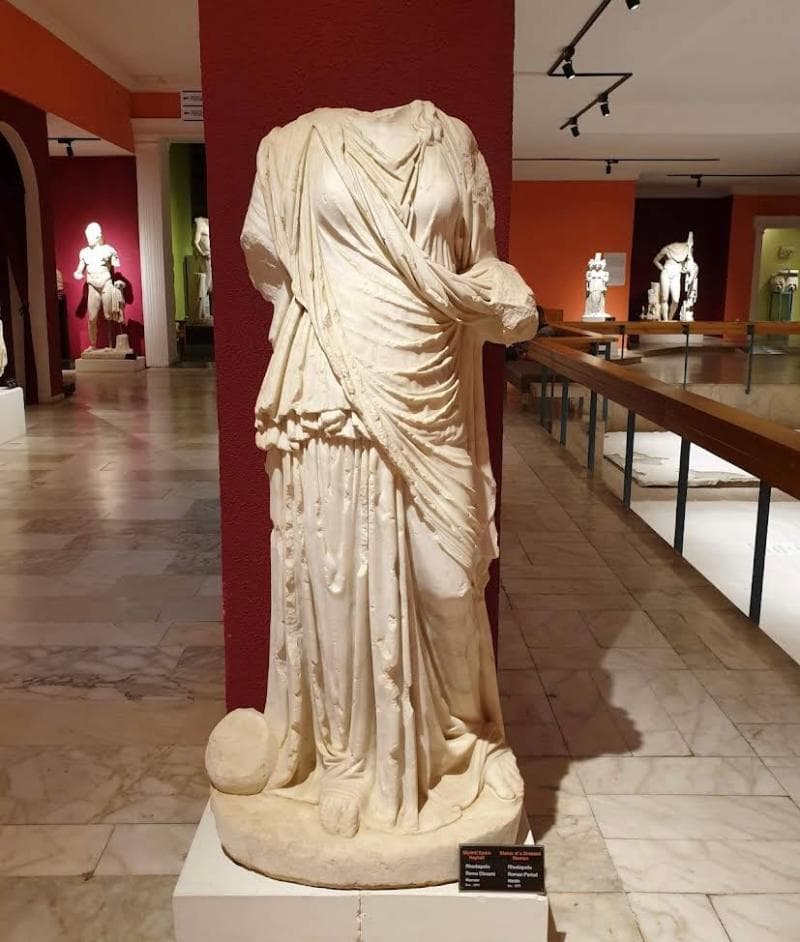
Explore the Hall of Gods at Antalya Museum in Antalya, Turkey, featuring magnificent Greco-Roman statues from ancient Perge. Discover mythical figures and ancient artistry.
Overview
Deep within the esteemed Antalya Museum in Antalya, Turkey, lies a truly captivating collection known as the 'Hall of Gods'. This dedicated exhibition area presents a breathtaking pantheon of Greco-Roman mythological figures, all exquisitely carved from marble. Dating primarily from the 2nd and 3rd centuries AD, these sculptures offer a profound glimpse into the artistic skill and religious life of antiquity.
The Hall of Gods showcases an impressive array of deities, including powerful Zeus, the wise goddess Athena (Minerva), the radiant Apollo, and the swift hunting goddess Artemis. Each statue tells a silent story of ancient beliefs and epic tales. These magnificent artifacts were largely unearthed during excavations at the ancient city of Perge, a prominent Roman center in the historical region of Pamphylia, near modern-day Antalya. The Hall of Gods serves as a cornerstone of the Antalya Museum's extensive archaeological treasures, drawing visitors into a world where the divine once seemed to walk the earth.
History & Cultural Background
The history of the Antalya Museum itself is deeply rooted in a passionate effort to safeguard Anatolia's rich cultural heritage. Founded in 1922 by Süleyman Fikri Bey, a teacher, the museum's initial purpose was to prevent the looting of archaeological artifacts during the Italian occupation that followed World War I. What began as a humble initiative has evolved into one of Turkey's largest and most significant museums.
The artifacts housed within the Hall of Gods predominantly originate from the ancient city of Perge, located just a short distance from Antalya. Perge was a thriving metropolis, especially during the Roman era, and its public spaces, temples, and theaters were adorned with numerous sculptures. Many of these statues are Roman copies of older, revered Greek originals, demonstrating the profound influence of Greek art on Roman culture and the high demand for such representations of the divine. The museum's current building, to which the collections moved in 1972, has since gained international recognition, including the 'European Council Special Prize' in 1988.
What Makes It Special
What sets the Hall of Gods apart is its remarkable collection of large, well-preserved marble statues, each possessing a unique narrative and artistic presence. The sheer scale and intricate detail of these sculptures are astounding, revealing the mastery of ancient sculptors. Visitors encounter a comprehensive pantheon, featuring deities like Harpocrates, Aphrodite, Asclepius, Tyche, Meleager, Hecate, Hermes, and Marsyas, alongside more widely known figures. The statues are often presented in individual niches or artfully arranged, creating a powerful visual impact that highlights their grandeur and significance.
This hall is particularly special for showcasing how deeply intertwined mythology was with daily life and public ceremonies in the Roman period. The sculptures, originally gracing temples, public squares, and bathhouses in Perge, served not merely as art but as focal points for worship, civic pride, and cultural identity. The quality of the marble and the craftsmanship involved in depicting flowing drapery, nuanced expressions, and powerful stances are testament to the high artistic standards of the time.
Stories, Fun Facts & Local Details
The statues in the Hall of Gods are not just stone figures; they are echoes of vibrant stories and beliefs. For instance, you might encounter Artemis, the goddess of hunting, often depicted without her bow but still emanating power, or Apollo, perhaps staring dispassionately into the distance. The presence of mythological figures such as Meleager, a hero known from the Calydonian Boar Hunt, enriches the collection beyond just the major gods.
A fascinating aspect is that many of these sculptures were found in Perge, which was known as a significant center for sculpture production in antiquity. This means that the artists who created these masterpieces were local, yet deeply influenced by the broader Hellenistic and Roman artistic traditions. The stories embedded in these statues would have been common knowledge to the citizens of Perge, reflecting their values, fears, and hopes. Imagining these figures once adorning a bustling ancient city brings a unique local flavor to their universal mythological appeal.
Visitor Perspective
While the Antalya Museum is currently undergoing significant renovations, with all its valuable artifacts, including those from the Hall of Gods, securely relocated to temporary storage, the experience it will offer upon reopening promises to be even more enriching. Normally, stepping into the Hall of Gods is an immersive journey. The spacious layout and thoughtful lighting allow each colossal figure to command attention, inviting visitors to ponder the myths they represent and the hands that shaped them.
For a curious traveler, this hall provides an invaluable opportunity to connect with the ancient world, understanding the pantheon of deities that once held sway over the Mediterranean imagination. It is a place where history feels tangible, where the artistry of millennia past speaks volumes about human creativity and spiritual reverence. Even in anticipation of its future presentation, the Hall of Gods remains a powerful symbol of Antalya's profound connection to its classical past, promising an unforgettable cultural experience for all who seek to explore it.
Coordinates: 30.6797, 36.8856
View on Google Maps💬 How Travelers Describe This Place
Based on community votes
Interesting
585Beautiful
550Photogenic
546Unique
56Must See
28
Traveler Stories
Discover memorable experiences shared by travelers who have visited this place.
No traveler stories yet.
Be the first traveler to share what made this place memorable.

Tour
By
Spot
Discover amazing places around the world. Your journey starts here.
Explore
© 2026 TourBySpot. All rights reserved.