Hacienda Henequenera
Cancún, Mexico
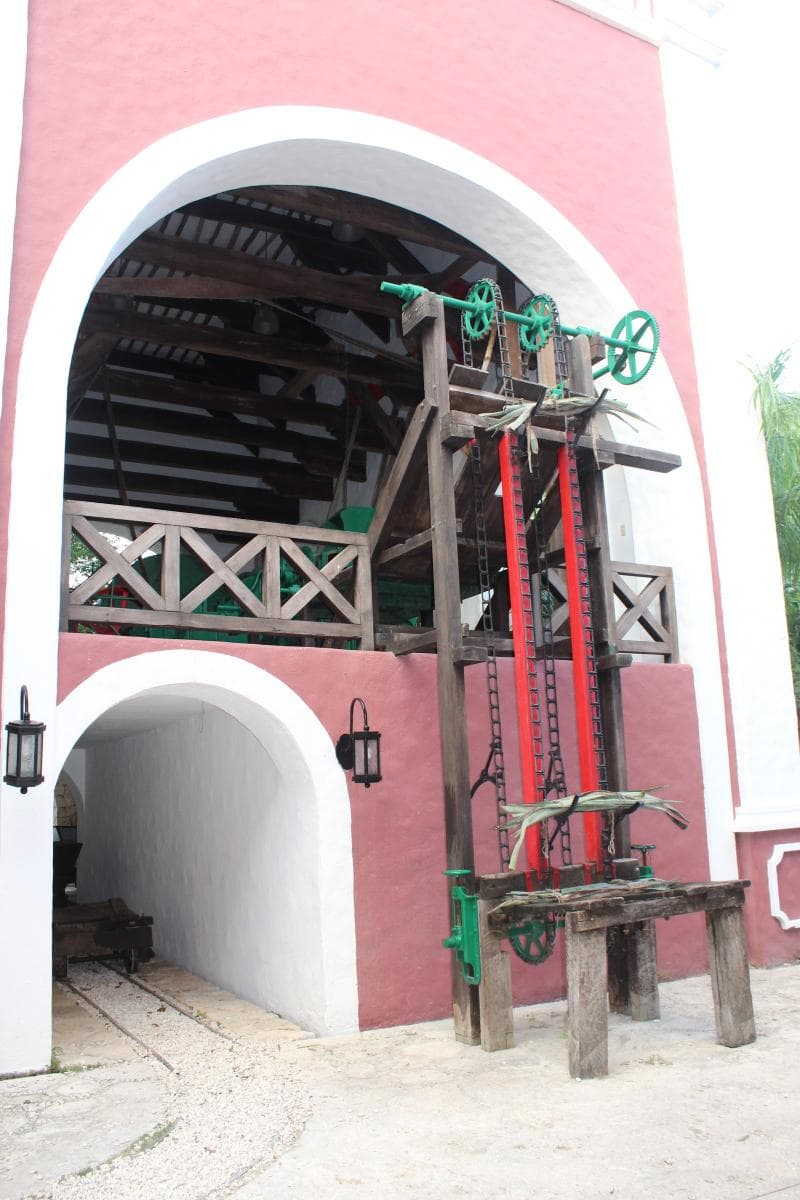
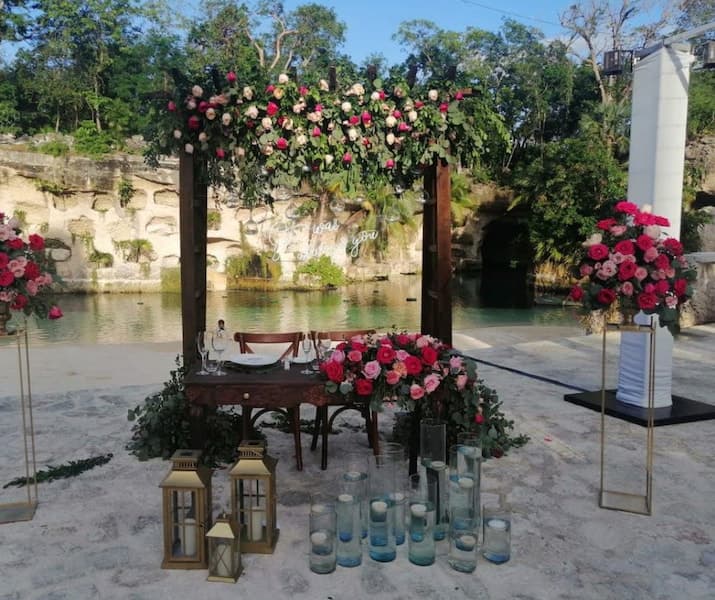
Explore Hacienda Henequenera in Xcaret Park, Cancún, Mexico. Discover Yucatán's 'green gold' history, colonial architecture, and Mexican folk art.
Overview
Nestled within the sprawling natural and cultural tapestry of Xcaret Park in Cancún, Mexico, lies the captivating Hacienda Henequenera. This charming colonial-style estate serves as a living museum, inviting visitors on an immersive journey into the Yucatán's rich henequen heritage. It is a meticulous replica of the traditional 19th-century haciendas that once dotted the landscape of the Yucatán Peninsula, capturing the architectural grandeur and historical significance of those times. Beyond its visual appeal, Hacienda Henequenera also acts as the proud gateway to the Museum of Mexican Folk Art, showcasing a permanent exhibition of exquisite crafts that celebrate Mexico's diverse artistic traditions.
History & Cultural Background
The concept of the 'hacienda henequenera' emerged prominently in the Yucatán during the 19th century, spurred by the booming henequen industry. Henequen, a tough fiber derived from the agave plant, was often referred to as 'green gold' due to its immense economic importance. This valuable fiber was primarily used for making ropes and twine, with production skyrocketing during the Porfiriato (1876–1911), making Yucatán Mexico's wealthiest state per capita. These haciendas were more than just agricultural centers; they functioned as self-contained communities, featuring grand houses for the owners, processing plants for the henequen, and living quarters for the workers. The cultivation and processing of henequen were labor-intensive, profoundly shaping the social and economic fabric of the region for decades. While the industry brought immense wealth to some, it also relied heavily on coerced indigenous Maya labor through debt peonage, entrenching social inequalities. The Hacienda Henequenera at Xcaret Park, though a contemporary recreation, faithfully honors this significant period, allowing present-day travelers to connect with this crucial chapter in Mexican history.
What Makes It Special
What truly sets Hacienda Henequenera apart is its remarkable ability to transport visitors directly into the golden age of Yucatán's henequen industry. The estate's architecture is a tribute to the period's elegance, featuring classic Spanish colonial elements like archways, grand staircases, wrought-iron detailing, and tiled floors, with every detail carefully curated for authenticity. It offers a unique educational experience, explaining how henequen was extracted, processed, and utilized, bringing the industrial history of the fiber to life. Furthermore, the hacienda's role as the entrance to the Museum of Mexican Folk Art means it also serves as a vibrant cultural hub. Here, visitors can admire a wide array of Mexican artistry and craftsmanship in a permanent exhibition of exquisite crafts.
Stories, Fun Facts & Local Details
The moniker 'green gold' aptly captured the immense wealth generated by henequen, which fueled the construction of opulent hacienda architecture and fostered urban development in cities like Mérida. At its peak, approximately 70 percent of Yucatán's arable land was devoted to henequen cultivation, with some haciendas employing thousands of workers. A fascinating tidbit is that the invention of the mechanical twine-binding harvester in the United States in 1878 dramatically increased the global demand for henequen. Beyond its fibrous utility, the henequen plant offers other surprises: its juice can be fermented into a liquor similar to tequila, and certain steroidal chemicals for pharmaceuticals can also be derived from it. Within the hacienda, visitors might encounter unique cultural displays, sometimes featuring skeleton figures representing daily life or important events, a nod to Mexico's rich Day of the Dead traditions, adding a profoundly local and meaningful touch to the experience.
Visitor Perspective
For those exploring Xcaret Park, the Hacienda Henequenera is described as a truly lovely area, well worth taking the time to explore rather than rushing past. Visitors consistently appreciate the opportunity to gain a clear glimpse into Mexico's rich history and its traditional craftsmanship. The hacienda is beautifully presented, with an attention to detail that creates a palpable sense of authenticity, making it feel as though one has genuinely stepped back in time. It offers a tranquil, shaded respite within the park, serving as a cultural stop and a pleasant break from the more active attractions. The integrated Museum of Mexican Folk Art provides an excellent opportunity to appreciate and even acquire authentic artisanal creations, making it a memorable part of the Xcaret experience.
Coordinates: -87.11917, 20.57806
View on Google Maps💬 How Travelers Describe This Place
Based on community votes
Unique
951Must See
748Interesting
491Beautiful
427Photogenic
414
Traveler Stories
Discover memorable experiences shared by travelers who have visited this place.
No traveler stories yet.
Be the first traveler to share what made this place memorable.

Tour
By
Spot
Discover amazing places around the world. Your journey starts here.
Explore
© 2026 TourBySpot. All rights reserved.