Xcaret Park
Cancún, Mexico
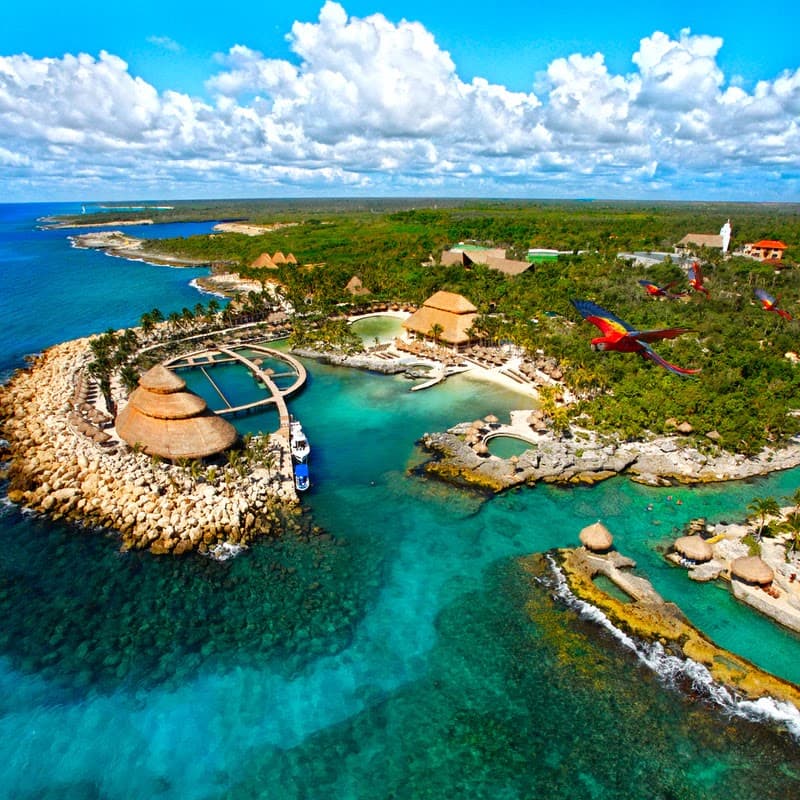

Explore Xcaret Park in Cancún, Mexico, an eco-archaeological wonder showcasing Mayan ruins, vibrant culture, diverse wildlife, and underground rivers.
Overview
Xcaret Park, nestled along the breathtaking Riviera Maya in Quintana Roo, Mexico, offers a distinctive fusion of natural splendor, cultural heritage, and engaging activities. Far more than a conventional theme park, Xcaret is celebrated as an eco-archaeological park, meticulously designed to showcase Mexico's rich biodiversity and pre-Hispanic past. Located approximately 75 kilometers south of Cancún and just 6.5 kilometers south of Playa del Carmen, it provides an immersive journey into the heart of the Mexican Caribbean.
Visitors can explore lush jungles, navigate crystal-clear underground rivers, relax on pristine beaches, and discover ancient Mayan ruins. The park boasts over 50 natural and cultural attractions, including an impressive Aviary, Butterfly Pavilion, and Coral Reef Aquarium, alongside vibrant cultural performances that bring Mexico's traditions to life. Xcaret’s commitment to sustainable tourism and the preservation of national heritage is evident in every corner, making it a pivotal destination for travelers seeking both adventure and cultural enlightenment.
History & Cultural Background
The land where Xcaret Park now stands has a profound history, dating back to pre-Columbian Mayan civilization. The archaeological site, known to the Maya as P'ole or Xcaret, meaning 'small inlet,' was a crucial port for navigation and a significant trading center on the Caribbean coastline of the Yucatán Peninsula. Archaeological findings suggest the site was first settled between 200 and 600 AD, with the majority of the visible structures dating from 1200 to 1550 AD. Its strategic location near a natural inlet facilitated commerce and may have served as a purification site for pilgrims before their journey to Cozumel to worship the goddess Ixchel.
The modern Xcaret Park began its journey in 1984 when architect Miguel Quintana Pali purchased a vast tract of land, initially intending to build a private retreat. As he cleared the property, he uncovered underground rivers, lagoons, and the remnants of an ancient Mayan city. This discovery prompted a pivotal shift in his vision, leading him to collaborate with the Federal Institute of History and Anthropology (INAH) and transform the private land into a public eco-park, opening in 1990. This transformation ensured the preservation of the archaeological findings and the natural environment, sharing Mexico's heritage with the world.
What Makes It Special
Xcaret distinguishes itself through its harmonious integration of nature, culture, and entertainment. Unlike typical amusement parks, its focus remains firmly on celebrating Mexican traditions and natural wonders. The park's three underground rivers, fed by a vast network of subterranean waterways, offer a unique swimming experience through caves and mangroves. The Xcaret México Espectacular show is a nightly spectacle featuring over 300 artists, presenting a vibrant journey through Mexico's history, folklore, and indigenous dances.
Beyond the performances, Xcaret is a living sanctuary for flora and fauna. The Butterfly Pavilion houses 20 species of colorful butterflies, while the Aviary is home to various tropical birds, including the iconic scarlet macaw. The Coral Reef Aquarium provides a window into the underwater world of the Caribbean Sea, and the park’s commitment to conservation includes a Guinness World Record for its scarlet macaw breeding program. Visitors can also explore a traditional Mayan village, a replica Mexican cemetery with 365 uniquely designed tombs, and a Hacienda Henequenera that showcases regional craftsmanship.
Stories, Fun Facts & Local Details
The name Xcaret, meaning 'small inlet' in Mayan, hints at its historical significance as a vital coastal hub. The original Mayan name, P'ole, translates to 'merchandise' or 'deal of merchants,' underscoring its economic importance in ancient times. A fascinating aspect of Xcaret's development is the story of its founder, Miguel Quintana Pali, whose personal dream of a private paradise evolved into a grand public venture driven by his discovery of the ancient ruins and natural treasures. He believed the land 'spoke to him,' guiding his vision towards sustainable tourism.
Xcaret also hosts unique cultural events that delve deep into local traditions. The annual Travesía Sagrada Maya, or Sacred Journey, recreates an ancient pilgrimage from the mainland to Cozumel, honoring a fertility ritual. Additionally, the Festival of Life and Death Traditions celebrates Mexico's Day of the Dead, offering a meaningful glimpse into ancestral honoring. The park's Mexican cemetery, a mosaic of 365 unique tombs, serves as an artistic and cultural representation of Mexican beliefs about life and death.
Visitor Perspective
For the curious traveler, a visit to Xcaret is an all-day affair, brimming with discoveries and experiences. It is impossible to fully appreciate everything in just a few hours, necessitating careful planning. Many visitors recommend dedicating an entire day, from opening to the conclusion of the Xcaret México Espectacular show, to truly immerse oneself. The park is organized with various color-coded routes that guide exploration through different thematic areas, from natural attractions to cultural exhibits. Comfortable footwear is essential, as is biodegradable sunscreen and insect repellent to protect both visitors and the park's delicate ecosystem. Whether floating down an underground river, observing exotic wildlife, or witnessing a Mayan ball game, Xcaret offers an unforgettable journey into the natural and cultural soul of Mexico.
Coordinates: -87.1191666, 20.5780555
View on Google Maps💬 How Travelers Describe This Place
Based on community votes
Photogenic
958Unique
743Interesting
719Must See
629Beautiful
176
Traveler Stories
Discover memorable experiences shared by travelers who have visited this place.
No traveler stories yet.
Be the first traveler to share what made this place memorable.
Things to see at Xcaret Park



Tour
By
Spot
Discover amazing places around the world. Your journey starts here.
Explore
© 2026 TourBySpot. All rights reserved.