Gustav Mahler Hall
Vienna, Austria
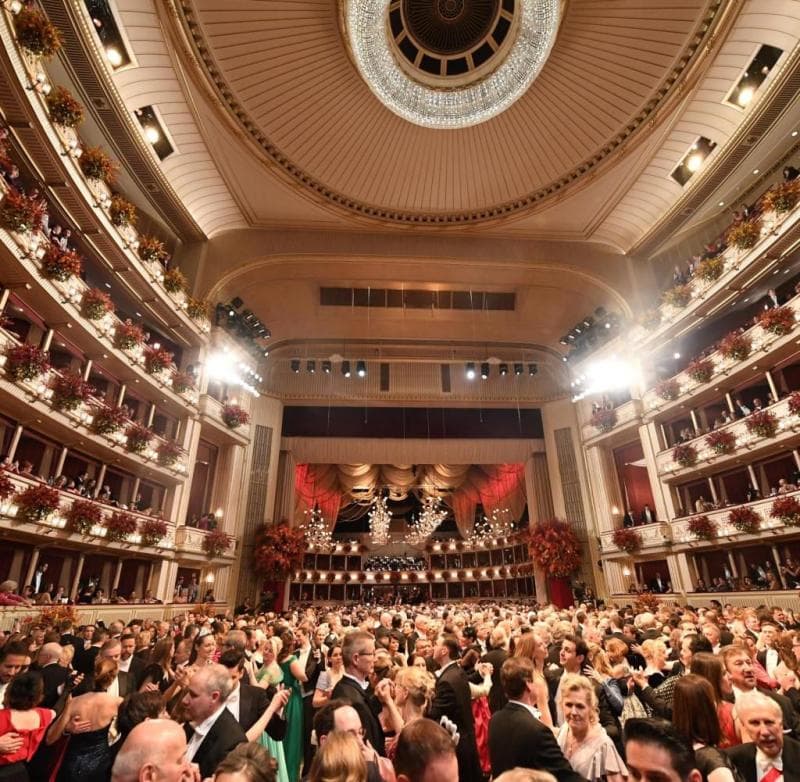
Explore the Gustav Mahler Hall inside Vienna's State Opera, a historic venue honoring the legendary conductor's impact on Austrian music and culture.
Overview
Nestled within the architectural grandeur of the Vienna State Opera, the Gustav Mahler Hall stands as a testament to both artistic excellence and historical resilience. This distinguished space, originally known as the Tapestry Hall, offers visitors a glimpse into the opulent past of one of the world's leading opera houses. It is a place where mirrors, marble pilasters, and gold ornamentation create an atmosphere of understated majesty, inviting contemplation of the cultural significant events that have unfolded within its walls.
Today, the Gustav Mahler Hall is not just a historical exhibit but a versatile event space, hosting a variety of functions that continue the Vienna State Opera's tradition as a vibrant cultural hub. Located adjacent to the main staircase, it is easily accessible and forms an integral part of the overall visitor experience, offering a unique perspective on the building's enduring legacy.
History & Cultural Background
The Vienna State Opera itself is a masterpiece of Renaissance Revival architecture, inaugurated on May 25, 1869, as the Vienna Court Opera. It was one of the first major structures to grace the renowned Vienna Ring Road. While much of the opera house suffered devastating damage during an American bombardment in March 1945, the front sections, including the main stairways and the Gustav Mahler Hall, remarkably remained intact.
The hall's renaming honors Gustav Mahler, whose ten-year tenure as director from 1897 to 1907 marked a transformative era for the institution. Mahler was a visionary who profoundly reshaped the opera house into a temple of artistic discipline. His rigorous standards and unwavering commitment to the composer's original intent set a new benchmark for operatic performance globally.
What Makes It Special
What truly sets the Gustav Mahler Hall apart is its dual identity: a beautifully preserved historical interior and a living tribute to a musical giant. The hall's original tapestries, depicting pastoral and mythological scenes, are particularly special because they survived the wartime destruction that claimed so much of the opera house's interior. These tapestries offer a rare and authentic connection to the building's late 19th-century origins, making the hall a unique artifact within the reconstructed opera house.
Beyond its aesthetic appeal, the hall embodies the spirit of Mahler's artistic revolution. Lined with reflective surfaces and adorned with subtle golden accents, the room radiates a quiet elegance that complements the grandeur of the surrounding opera house. It's a space where history echoes, reminding visitors of Mahler's relentless pursuit of perfection that elevated the Vienna State Opera to unprecedented artistic heights.
Stories, Fun Facts & Local Details
Gustav Mahler's directorship at the Vienna Court Opera was legendary, characterized by an almost fanatical idealism. He was known for demanding absolute precision from his musicians and singers, often reviving forgotten works and transforming the city's musical standards. His reforms were so influential that they continued to shape the opera's approach long after his departure.
A fascinating detail surrounds Mahler's appointment: despite initial resistance due to his Jewish heritage, his candidacy gained significant support, leading him to convert to Catholicism in February 1897, shortly before officially being named director in October of the same year. This decision, partly pragmatic, paved the way for his monumental impact on Viennese cultural life. He even introduced the then-radical practice of dimming the house lights during performances, a standard practice today, to enhance focus on the stage.
The Gustav Mahler Hall, once merely a Tapestry Hall, is a living monument to his legacy, a place where one can almost feel the resonance of his exacting standards and innovative spirit.
Visitor Perspective
Visiting the Gustav Mahler Hall offers a profound experience for any curious traveler interested in music, history, or architecture. While the hall primarily serves as a prestigious event venue today, it is often included in guided tours of the Vienna State Opera, providing an opportunity to walk through a space steeped in history and artistic significance.
As you stand amidst its elegant decor, you can imagine the illustrious figures who once passed through, and feel the weight of Mahler's enduring influence on the world of opera. It's a moment to connect with the past, appreciating how one man's vision helped shape a globally renowned institution. The hall is a quiet, reflective counterpoint to the dramatic energy of the main auditorium, allowing for a deeper appreciation of the Vienna State Opera's multifaceted heritage. It serves as a reminder that within grand institutions, individual brilliance can leave an indelible mark.
Coordinates: 16.36921, 48.20327
View on Google Maps💬 How Travelers Describe This Place
Based on community votes
Must See
722Interesting
595Unique
358Photogenic
196Beautiful
19
Traveler Stories
Discover memorable experiences shared by travelers who have visited this place.
No traveler stories yet.
Be the first traveler to share what made this place memorable.

Tour
By
Spot
Discover amazing places around the world. Your journey starts here.
Explore
© 2026 TourBySpot. All rights reserved.