Guided Tours
Hamburg, Germany
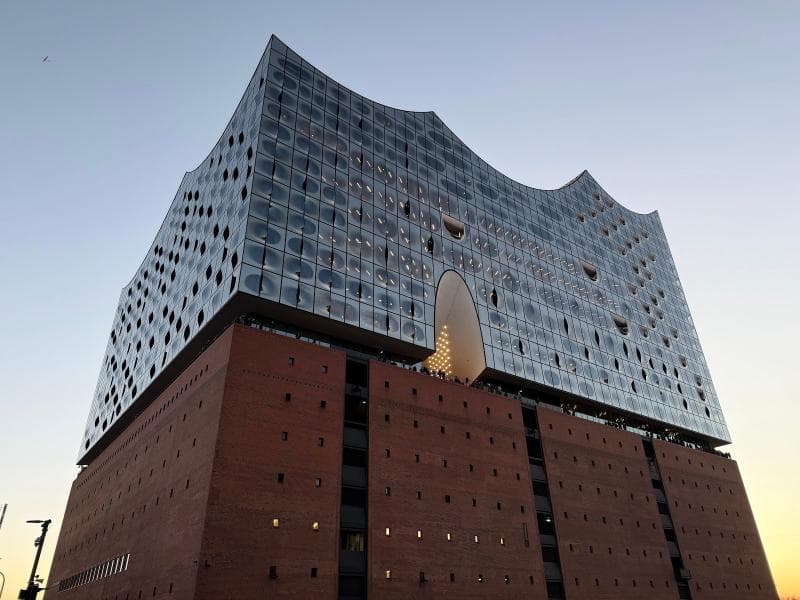
Discover guided tours of Elbphilharmonie Hamburg, Germany. Explore its history, stunning architecture, world-class acoustics, and panoramic city views.
Overview
Perched majestically on the edge of the Elbe River in Hamburg, Germany, the Elbphilharmonie, affectionately known as 'Elphi', stands as a breathtaking architectural marvel and a vibrant cultural hub. More than just a concert hall, this iconic structure integrates a luxury hotel, exclusive apartments, restaurants, and a publicly accessible Plaza, all encapsulated within a design that brilliantly fuses old and new. Guided tours of the Elbphilharmonie offer a captivating journey into its history, innovative architecture, and world-class acoustics, revealing the secrets behind its spectacular presence in the city's skyline.
These tours take visitors through the building's various facets, from the historic brick base to the soaring glass superstructure, providing insights into its groundbreaking design and the meticulous efforts that went into its creation. Depending on the chosen tour, guests can explore the concert halls, including the renowned Grand Hall, learn about its unique acoustic properties, and experience the panoramic vistas from the Plaza, a public viewing platform that connects the historic warehouse with the modern glass edifice.
History & Cultural Background
The Elbphilharmonie's story began with a bold vision to transform a derelict warehouse, Kaispeicher A, built in 1963, into a world-class cultural venue. This former storage facility for tea, tobacco, and cocoa beans now forms the robust brick foundation upon which the shimmering glass structure rests. The Swiss architectural firm Herzog & de Meuron conceived the design, aiming to create a landmark that embodies Hamburg's maritime heritage while embracing contemporary innovation.
Inaugurated on January 11, 2017, after a prolonged and at times turbulent construction period, the Elbphilharmonie quickly became a symbol of Hamburg's ambition and cultural rebirth. The project, initially envisioned with a modest budget and accelerated timeline, faced significant challenges, including skyrocketing costs and construction delays that spanned 14 years. Despite these hurdles, its completion marked a triumphant moment, transforming the city's HafenCity district and establishing a new focal point for international visitors and local cultural engagement alike. It symbolizes a successful synthesis of arts, architecture, and its unique location amidst Hamburg's bustling harbor.
What Makes It Special
What truly sets the Elbphilharmonie apart is its audacious design and unparalleled acoustical engineering. The glass superstructure, often likened to a hoisted sail, a water wave, or an iceberg, rises dramatically from the old brick warehouse, reaching a height of up to 110 meters. This striking facade is composed of approximately 1,100 individually shaped and numbered glass elements, some of which are curved, creating a dynamic interplay of reflections that change with the light and weather.
Inside, the Grand Hall is a masterpiece of sound. Designed by renowned acoustician Yasuhisa Toyota, its 'vineyard style' seating arrangement places the performers at the center, surrounded by an audience, ensuring an intimate connection to the music. The walls and ceiling are adorned with 10,000 individually microshaped gypsum fiber panels, famously known as the 'White Skin', meticulously crafted to disperse sound waves perfectly to every seat. This innovative design guarantees that no audience member is more than 30 meters from the conductor, creating an extraordinary and immersive auditory experience.
Another remarkable feature is the 'Tube', the world's longest curved escalator, which transports visitors gracefully through an 80-meter-long tunnel up to the Plaza, located 37 meters above ground level. This public observation deck offers breathtaking 360-degree panoramic views of Hamburg, its harbor, and the Elbe River, serving as a vital connection point between the city and its new cultural landmark.
Stories, Fun Facts & Local Details
The journey of the Elbphilharmonie was far from smooth, earning it the reputation of a 'dream and nightmare' project due to its massive cost overruns and construction delays. Originally presented as a gift to the city, the final cost ballooned to €866 million, a stark increase from the initial estimate. These challenges led to legal disputes and public debate, but ultimately, the Elbphilharmonie emerged as a testament to perseverance and visionary design.
A fascinating detail for musicians is the thoughtful design of the backstage areas. The tuning rooms, for instance, are grouped around the auditorium, ensuring convenience for orchestral members. Cellists and double-bass players, often burdened by their instruments, are even allocated a dedicated room right next to the stage entrance. The minimalist yet luxurious dressing rooms behind the Grand Hall stage are designed for focus, with no distracting memorabilia, hinting at the intense concentration required before a performance.
The Elbphilharmonie's roof is not only architecturally striking but also functional, featuring 6,000 shimmering sequins that create impressive light reflections, adding to its dynamic appearance. Even the unique glass windows faced construction challenges; their size and odd shape meant that work sometimes had to halt during strong winds to prevent damage.
Visitor Perspective
A guided tour of the Elbphilharmonie offers an invaluable opportunity to appreciate this complex structure beyond its surface beauty. Expert guides, who undergo intensive training, provide a wealth of insider information, covering everything from its development history and architectural nuances to the intricate details of its acoustics and daily operations.
Visitors can choose from various tour options, including general concert hall tours that delve into the Grand Hall and its surrounding foyers, or specialized tours focusing on architecture or music. While access to the Grand Hall is often a highlight, it's subject to concert and rehearsal schedules. Plaza tours provide access to the public viewing platform, guaranteeing those stunning harbor views, even if they do not enter the concert halls themselves. These tours are designed to enlighten curious travelers, revealing the Elbphilharmonie not just as a building, but as a living, breathing part of Hamburg's cultural identity.
Coordinates: 9.98417, 53.54139
View on Google Maps💬 How Travelers Describe This Place
Based on community votes
Interesting
915Must See
211Unique
123Beautiful
74Photogenic
53
Traveler Stories
Discover memorable experiences shared by travelers who have visited this place.
No traveler stories yet.
Be the first traveler to share what made this place memorable.

Tour
By
Spot
Discover amazing places around the world. Your journey starts here.
Explore
© 2026 TourBySpot. All rights reserved.