Guided Tour Zones
Stockholm, Sweden
Explore the Vasa Museum's Guided Tour Zones in Stockholm, Sweden. Uncover the dramatic history of the 17th-century Vasa warship and its incredible salvage.
Overview
Embarking on a guided tour at the Vasa Museum in Stockholm, Sweden, offers an unparalleled opportunity to delve into the dramatic history of the 17th-century warship, Vasa. These tours are not confined to a single 'zone' but rather weave through the museum's various levels and exhibitions, providing a comprehensive narrative of the ship's life and afterlife. Included with your admission ticket, these insightful journeys typically last around 25 minutes, though private tours can extend to about 45 minutes, offering a more personalized experience. Led by knowledgeable guides, visitors gain deeper context and understanding of this magnificent vessel, making the vastness of the museum and its central artifact far more accessible and engaging.
The museum itself is a marvel, purpose-built to house the Vasa, which was salvaged in 1961 after 333 years on the seabed. It opened its doors in 1990 and has since become one of Scandinavia's most visited museums. While self-guided exploration is an option with audio guides available in multiple languages, the live guided tour brings the story to life with passion and expertise, addressing questions and highlighting details easily missed otherwise.
History & Cultural Background
The story of the Vasa is a captivating blend of ambition, tragedy, and remarkable preservation. Commissioned by King Gustav II Adolf, the Vasa was intended to be the crown jewel of the Swedish fleet, a powerful symbol of Sweden's military prowess during the 17th century. Constructed by Henrik Hybertsson, it was an elaborately decorated warship, boasting 64 guns and hundreds of carved sculptures. However, on its maiden voyage on August 10, 1628, the ship tragically capsized and sank just 1,300 meters from the shipyard in Stockholm's harbor, due to critical stability issues.
For centuries, the Vasa lay dormant on the muddy seabed, a watery tomb that ironically protected it from decay. Its rediscovery in 1956 and subsequent salvage in 1961 marked an extraordinary feat of engineering and conservation. Guided tours intricately detail this journey, from the ship's hurried construction and its ill-fated launch to the painstaking process of its recovery and preservation, using materials like polyethylene glycol. This historical context, vividly recounted by guides, helps visitors understand not just the ship itself, but also the broader 17th-century Swedish society, its maritime ambitions, and the daily lives of the people who built and sailed such vessels.
What Makes It Special
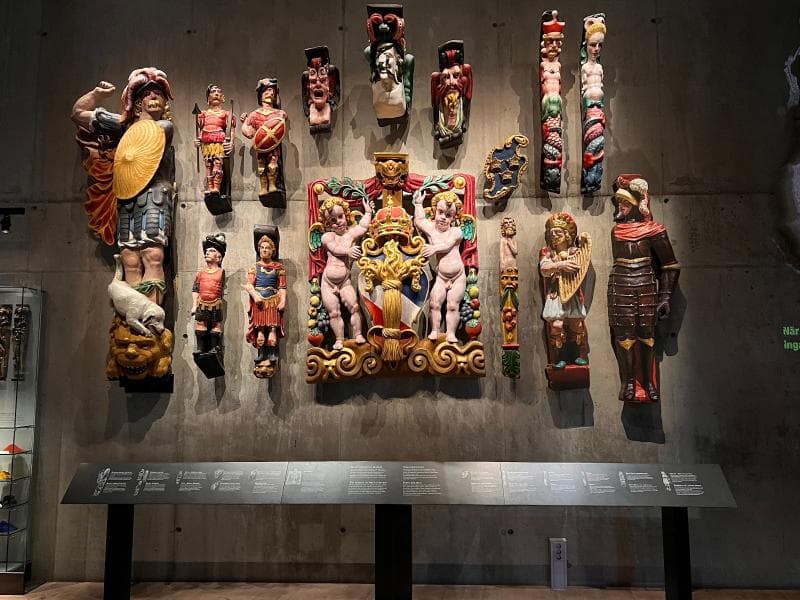
What truly sets the guided tours at the Vasa Museum apart is the direct connection forged with an expert storyteller. Unlike reading placards or listening to an audio guide, the human element adds an irreplaceable layer of depth and emotion. Guides illuminate the intricate details of the Vasa's construction, pointing out the hundreds of original carved sculptures that adorn the ship, more than 98 percent of which are intact. They explain the architectural choices that led to its demise, transforming what might seem like a simple shipwreck into a profound lesson in naval engineering and human fallibility.
Furthermore, these tours bring to light the archaeological findings recovered from the wreck, including personal items, tools, and even two original cannons. This tangible connection to the past, combined with the guide's narrative, offers a rare glimpse into life aboard a 17th-century warship and the maritime culture of Sweden. The experience is enhanced by the museum's carefully controlled environment, maintaining a constant temperature of 18-20°C to ensure the ship's continued preservation, a testament to the dedication behind this unique historical artifact.
Stories, Fun Facts & Local Details
Beyond the grand historical facts, guided tours often sprinkle in 'fun facts' and local details that personalize the Vasa's story. Imagine hearing about 'Acke,' one of the unfortunate seamen aboard, whose hard life and meager wages painted a vivid picture of the harsh realities faced by those serving in the 17th-century navy. Guides might elaborate on the ship's structural instability, explaining how additional gunports made the vessel top-heavy, a design flaw that contributed significantly to its swift sinking.
The salvage operation itself is rich with fascinating anecdotes, detailing how the ship was gradually raised from the depths of Stockholm harbor and how the unique conditions of the Baltic Sea helped preserve its wooden hull and thousands of artifacts for centuries. The story of the Vasa's recovery is a tale of perseverance and scientific innovation, demonstrating humanity's enduring quest to reclaim history from the deep. These human-centered stories and intricate details transform the visit from a mere viewing of an old ship into an immersive journey through time, fostering a deeper appreciation for this invaluable cultural heritage.
Visitor Perspective
From a visitor's standpoint, opting for a guided tour at the Vasa Museum significantly enhances the overall experience. The tours, typically offered daily in English and Swedish, provide a structured yet flexible way to navigate the museum's vast offerings. For individual visitors and small parties, these 'open tours' are an excellent way to gain immediate insights without extra cost beyond the admission fee. Larger groups, typically more than nine people, have the option to book a private guided tour, ensuring a dedicated guide and more opportunities for interaction and tailored information.
The guides' ability to articulate the complexities of the Vasa's history, from its construction to its tragic maiden voyage and miraculous salvage, makes the experience far more engaging than a self-guided exploration alone. It is highly recommended to join a tour to fully grasp the significance of the Vasa, its historical context, and the incredible conservation efforts. Remember to dress warmly, as the museum maintains a cool temperature (18-20°C) to protect the ship. This dedicated guidance ensures that every visitor leaves with a profound understanding and lasting impression of Sweden's most iconic maritime treasure.
Coordinates: 18.091396, 59.328023
View on Google Maps💬 How Travelers Describe This Place
Based on community votes
Photogenic
879Must See
723Unique
482Interesting
396Beautiful
274
Traveler Stories
Discover memorable experiences shared by travelers who have visited this place.
No traveler stories yet.
Be the first traveler to share what made this place memorable.

Tour
By
Spot
Discover amazing places around the world. Your journey starts here.
Explore
© 2026 TourBySpot. All rights reserved.