Green Spaces
Helsinki, Finland
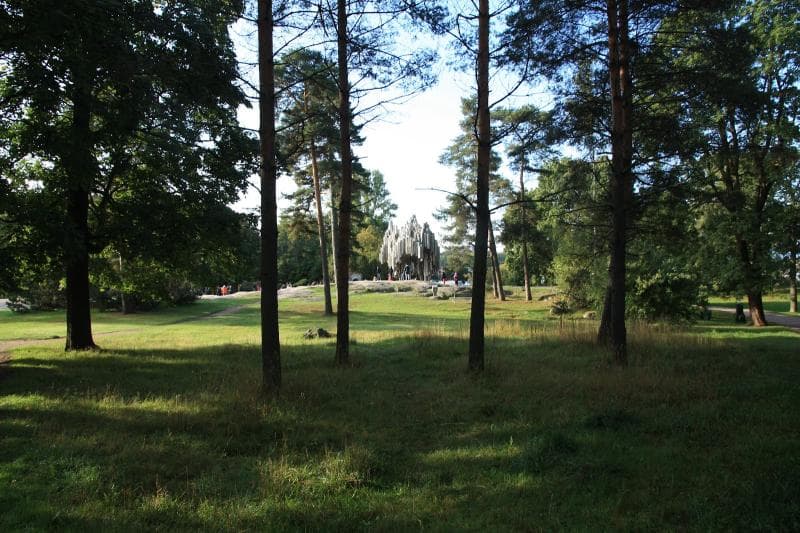
Explore the peaceful green spaces of Sibelius Park in Helsinki, Finland, home to the iconic Sibelius Monument, a tribute to composer Jean Sibelius.
Overview
The Sibelius Monument, a renowned landmark in Helsinki, Finland, is gracefully nestled within the tranquil embrace of Sibelius Park. This green space, often referred to when discussing the monument's serene surroundings, serves as a natural gallery for the iconic sculpture dedicated to Finland's national composer, Jean Sibelius. The park offers visitors a peaceful retreat from urban life, characterized by its lush greenery, winding pathways, and a distinct maritime atmosphere given its seaside location. It is a harmonious blend of art and nature, inviting contemplation and appreciation for Finnish cultural heritage and natural beauty.
The monument itself, an abstract work composed of over 600 steel pipes, stands as the central artistic focus, but the surrounding parkland provides the essential context and environment for its appreciation. This beloved public park is a significant attraction for both locals and tourists, providing an opportunity for leisurely strolls, scenic views, and a deeper connection to the essence of Finland.
History & Cultural Background
The history of Sibelius Park dates back to the 1930s when the City of Helsinki initiated its development as a green space on the shores of Humallahti. Originally known as Humala Park or Humallahden luonnonpuisto, it was officially renamed Sibelius Park in November 1945, commemorating Jean Sibelius's 80th birthday.
The concept for a monument honoring Sibelius emerged after his passing in 1957. The Sibelius Society organized a public competition from 1961 to 1962, which became a significant cultural event in Finland. The winning design, 'Passio Musicae' by Finnish sculptor Eila Hiltunen, was abstract, a departure from traditional commemorative statues. This sparked considerable controversy, as many expected a more conventional, figurative representation of the composer.
Despite initial public debate regarding its modern abstraction, the monument was unveiled on September 7, 1967. To address criticism, a separate bust of Sibelius was later added beside the main sculpture.
Jean Sibelius (1865–1957) is celebrated as Finland's greatest composer, whose music often drew inspiration from the Finnish landscape, mythology, and the national identity itself. His works, such as 'Finlandia', helped shape Finland's cultural image during a period when the country sought to define its unique identity. The monument and the park, therefore, serve not only as a tribute to an artist but also as a symbol of Finnish nationhood and its profound connection to nature.
What Makes It Special
The green spaces around the Sibelius Monument are exceptional due to their intentional design and symbiotic relationship with the central artwork. Sibelius Park is an English-style landscape garden adapted to the Finnish shoreline, making it distinct from the more manicured European parks.
The monument itself is a striking composition of over 600 acid-resistant stainless steel pipes, welded together to create an undulating, wave-like form. This abstract design is intended to evoke Sibelius's music, and observers often interpret it as representing organ pipes, sound waves, or even elements of the Finnish landscape like birch woodlands, shore reeds, or the aurora borealis. The hollow pipes can produce subtle sounds when the wind moves through them, transforming the sculpture into a kind of 'silent organ' that resonates with the park's natural acoustics.
The park's seaside location next to the Gulf of Finland offers breathtaking views, integrating the monument into a broader natural panorama of water and trees. The blend of Eila Hiltunen's modernist sculpture with the natural environment creates a unique sensory experience, where art, music, and nature converge seamlessly.
Stories, Fun Facts & Local Details
The creation of the Sibelius Monument was not without its drama. The initial abstract design sparked a lively public debate about what constituted appropriate public art for a national hero. The addition of a more traditional bust of Sibelius was a direct response to these critiques, a compromise to satisfy those who desired a more recognizable tribute. This dual presentation—abstract pipes and a realistic bust—remains a fascinating aspect of the monument's story, reflecting the evolving tastes and artistic philosophies of its time.
Locally, Sibelius Park is sometimes affectionately known as 'Sibbari' among Helsinki residents. Beyond the famous monument, the park also hosts other artistic installations, such as 'Ilmatar and the Scaup' by Aarre Aaltonen, a bronze sculpture with a Kalevala theme, and the 'Memorial for Ingrian and Karelian War Veterans' by Yrjö Sormunen.
A touching detail within the park is a curly birch grove, planted in 1983 with 60 birch trees to honor President Mauno Koivisto's 60th birthday. These birches symbolize the deep connection Finns have with their national tree and landscape. Visitors can also experience an auditory delight, as Sibelius composed piano pieces inspired by various Finnish trees, including birch, spruce, and pine. In celebration of Sibelius's jubilee, some trees in Helsinki have been adorned with QR codes allowing visitors to listen to the music inspired by them.
Visitor Perspective
For the curious traveler, visiting the green spaces around the Sibelius Monument offers a multifaceted experience. It is a place for quiet contemplation, where the abstract beauty of the monument harmonizes with the natural surroundings. The winding paths through Sibelius Park invite leisurely walks, allowing visitors to breathe in the fresh sea air and enjoy the lush greenery that thrives along the Finnish coastline.
The interplay of light and shadow on the steel pipes of the monument provides excellent photographic opportunities, especially during the 'golden hour' of late afternoon. Many find moments of calm pressing an ear against the pipes to hear the subtle echoes and sounds created by the wind, connecting directly with the intended musicality of the sculpture.
The park is easily accessible from Helsinki's city center by public transport, making it a convenient stop for those exploring the city. There is no admission fee, allowing everyone to enjoy this significant cultural and natural landmark at their own pace. Whether seeking artistic inspiration, a peaceful escape, or a deeper understanding of Finnish heritage, the green spaces of Sibelius Park and its iconic monument provide a memorable and enriching destination.
Coordinates: 24.9126, 60.1834
View on Google Maps💬 How Travelers Describe This Place
Based on community votes
Must See
797Interesting
695Unique
396Beautiful
286Photogenic
22
Traveler Stories
Discover memorable experiences shared by travelers who have visited this place.
No traveler stories yet.
Be the first traveler to share what made this place memorable.

Tour
By
Spot
Discover amazing places around the world. Your journey starts here.
Explore
© 2026 TourBySpot. All rights reserved.