Graphic Collection
Hamburg, Germany
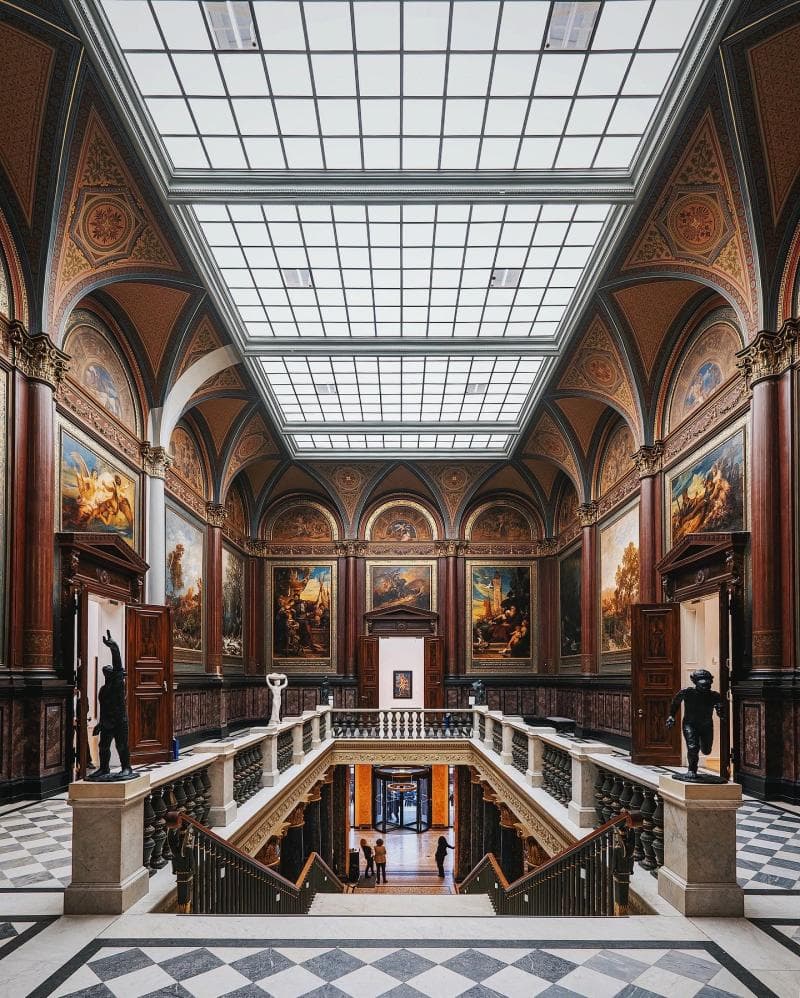
Explore the Hamburger Kunsthalle's Graphic Collection (Kupferstichkabinett) in Hamburg, Germany. Discover over 140,000 drawings & prints.
Overview
Within the venerable Hamburger Kunsthalle in Hamburg, Germany, lies a treasure trove for art enthusiasts: the Graphic Collection, known locally as the Kupferstichkabinett. This distinguished department houses one of Europe's most significant collections of works on paper, encompassing an astonishing array of drawings, prints, and photographs. It offers a unique journey through centuries of artistic expression, making it an indispensable destination for anyone seeking to delve deeper into the history and evolution of graphic arts.
Far from a mere archive, the Graphic Collection is an active center for scholarship and appreciation, allowing a rare intimacy with the artists' original thoughts and processes. Its vast holdings, numbering over 140,000 pieces, represent a continuous narrative of European art from the 15th century to the present day.
History & Cultural Background
The genesis of this remarkable collection dates back to the mid-19th century. Its foundation was laid by the profound generosity of Georg Ernst Harzen (1790–1863), a Hamburg art dealer and collector. Through his testamentary bequest in 1869, Harzen endowed the Hamburger Kunsthalle with approximately 30,000 drawings and prints, forming the inalienable core of what would become the Kupferstichkabinett. Harzen's vision extended beyond his personal collection; he was a driving force behind the construction of the initial museum building itself, underscoring the deep roots of civic engagement in Hamburg's cultural institutions.
Following this monumental start, the collection was systematically expanded under the guidance of successive museum directors. Alfred Lichtwark, a prominent figure in the Kunsthalle's history, played a crucial role in its development, significantly enriching its holdings, including a particularly noteworthy acquisition of Spanish Old Master drawings in 1891. The historical study hall, a dedicated space designed by Hamburg's building director Fritz Schumacher, opened its doors in 1922, further solidifying the collection's role as a center for study and research.
What Makes It Special
What truly sets the Hamburger Kunsthalle's Graphic Collection apart is not just its sheer volume, but the exceptional quality and breadth of its works. It stands as one of the most important graphic collections in Europe, providing an unparalleled overview of the development of drawing and printmaking.
The collection boasts approximately 4,000 drawings by Old Masters from the Italian, Dutch, and German schools. Visitors can marvel at works by titans such as Leonardo da Vinci, Raphael, Michelangelo, Rembrandt, and Albrecht Dürer. A particular highlight is the extraordinary ensemble of Spanish Old Master drawings, acquired by Alfred Lichtwark. This collection is considered one of only three significant holdings of its kind outside Spain, alongside those in the Louvre and the Uffizi, featuring prominent works by Francisco de Goya and Bartolomé Esteban Murillo.
Beyond the Old Masters, the collection thoughtfully traces art history through German Romanticism, with significant pieces by Caspar David Friedrich and Philipp Otto Runge, and extends into Classical Modernism, showcasing artists like Edvard Munch, Ernst Ludwig Kirchner, and Max Beckmann. This extensive range ensures a comprehensive art historical experience.
Stories, Fun Facts & Local Details
One fascinating aspect of the Graphic Collection is its deep connection to Hamburg's civic spirit. Georg Ernst Harzen's foundational gift wasn't merely a donation; it was a legacy intended to be 'inalienable,' ensuring its permanent place within the public domain for generations to come. This act of profound generosity highlights a cultural tradition where private individuals played a vital role in shaping the city's artistic landscape.
Another modern marvel is the Kunsthalle's commitment to accessibility. Recognizing the global interest in its collection, a significant portion of its graphics, particularly those from 1450 to 1850, are now digitally available online. This pioneering initiative among German museums offers high-quality image data linked with comprehensive scientific object data, allowing art lovers and researchers worldwide to explore masterpieces by Dürer, Rembrandt, and Da Vinci from anywhere, anytime.
Visitor Perspective
For the curious traveler or dedicated art scholar, visiting the Graphic Collection is a deeply rewarding experience. While the main museum galleries showcase a broad spectrum of art, the Kupferstichkabinett offers a more intimate encounter with art on paper. Access to this special collection, including its library and archive, is typically arranged by appointment in its dedicated study room.
This arrangement ensures a focused and quiet environment, perfect for close examination and contemplation of the delicate works. Whether you are delving into the intricate lines of an Old Master drawing or exploring the nuanced details of an early photograph, the study room provides an unparalleled opportunity for in-depth engagement. It's a chance to witness the fundamental artistic ideas and techniques that underpin larger movements, offering a unique insight into the minds of the artists themselves. The ability to consult these original works directly is a privilege that deepens understanding and appreciation of art history.
Coordinates: 10.00306, 53.555
View on Google Maps💬 How Travelers Describe This Place
Based on community votes
Must See
673Photogenic
336Interesting
219Unique
186Beautiful
80
Traveler Stories
Discover memorable experiences shared by travelers who have visited this place.
No traveler stories yet.
Be the first traveler to share what made this place memorable.

Tour
By
Spot
Discover amazing places around the world. Your journey starts here.
Explore
© 2026 TourBySpot. All rights reserved.