Graphic Collection
Vienna, Austria
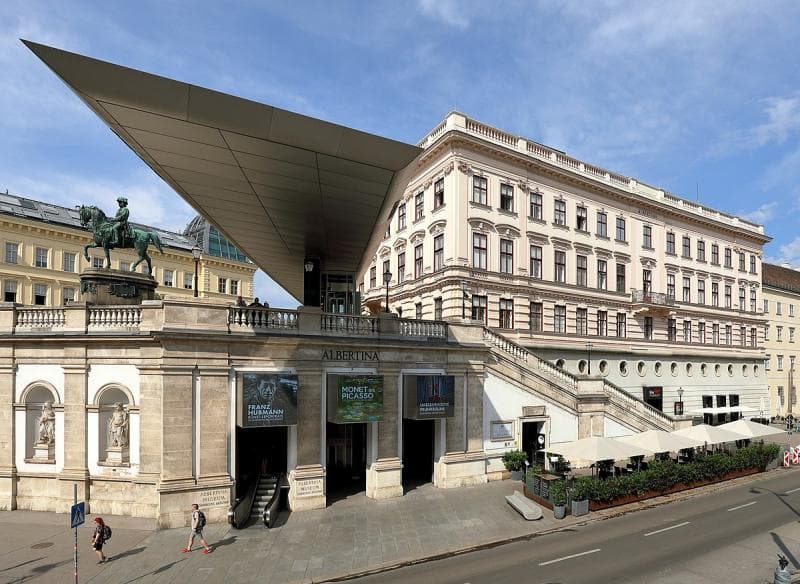
Explore the Albertina Museum's world-renowned Graphic Collection in Vienna, Austria, featuring over a million drawings and prints by masters like Dürer, Rembrandt, and Picasso.
Overview
Nestled within the magnificent Albertina Museum in Vienna, Austria, lies the renowned Graphic Collection, a treasure trove of artistic genius that spans six centuries. This world-leading collection offers an unparalleled journey through the history of drawing and printmaking, holding approximately 65,000 drawings and over one million master prints. It's an essential destination for any art enthusiast eager to delve into the intricate world of works on paper, providing a unique counterpoint to the opulent State Rooms of the former Habsburg residential palace that houses it.
The Graphic Collection is celebrated for its extraordinary breadth and depth, encompassing masterpieces from the late Gothic period right up to contemporary works. Due to the inherent light sensitivity of these delicate artworks, the collection's most famous pieces are not on permanent display but are carefully presented in rotating exhibitions, ensuring their preservation for future generations while offering visitors ever-changing insights into this artistic heritage.
History & Cultural Background
The foundation of the Albertina's Graphic Collection dates back to 1776, established by Duke Albert of Saxony-Teschen, son-in-law of Empress Maria Theresa. A passionate and methodical collector, Duke Albert meticulously acquired complete print series by artists such as Albrecht Dürer, etchings by Rembrandt, and drawings from the Italian Renaissance and French Rococo eras. By his passing in 1822, his collection, already recognized as one of Europe's foremost graphic art repositories, comprised about 14,000 drawings and 200,000 prints.
The collection remained with the Habsburg heirs until 1919 when the new Austrian Republic assumed ownership of both the palace and its artistic holdings. In the early 1920s, the graphic art holdings were further enriched by merging with the former imperial court library's collection. Over the decades, the collection continued to grow, expanding its scope to include 19th and 20th-century French and German drawings, and later, works by Austrian masters like Egon Schiele and Gustav Klimt. The Albertina Museum itself occupies a significant historical site, built upon one of the last surviving sections of Vienna's old city fortifications, the Augustinian Bastion.
What Makes It Special
What truly sets the Albertina's Graphic Collection apart is its staggering scale and the unparalleled quality of its holdings. With over one million prints and more than 60,000 drawings, it provides a comprehensive overview of 600 years of art history. Visitors can encounter works by titans of art, including Michelangelo, Dürer, Raphael, Rembrandt, Rubens, Klimt, Schiele, and Picasso, among many others.
A distinctive feature of this collection is its method of preservation and display. Because drawings and prints are highly susceptible to light damage, the museum cannot keep these delicate masterpieces on permanent exhibition. Instead, a dynamic program of rotating temporary exhibitions is curated, allowing visitors to experience thematic selections from the vast archives. This means every visit can offer a fresh perspective and the chance to see different iconic pieces. Moreover, the Albertina is unique in preserving 1,436 of the original large double folio volumes in which prints were traditionally mounted and stored until well into the 19th century, offering a glimpse into historical collection practices.
Stories, Fun Facts & Local Details
Among the Graphic Collection's most celebrated treasures is Albrecht Dürer's 'Young Hare' (1502). This watercolor and gouache study is renowned for its microscopic precision, with every individual hair rendered in exquisite detail. Another iconic Dürer work is 'Praying Hands' (1508), a preparatory study that reveals the artist's meticulous process. These works are so ingrained in Austrian culture that 'Young Hare', for example, has even appeared on children's drawing pads, making Dürer's artistry accessible to a new generation.
The Albertina experience is a fascinating blend of old and new. While the Graphic Collection preserves centuries of delicate artistry, the museum itself incorporates contemporary architectural design, notably the striking titanium-clad 'flying roof' by Hans Hollein added in 2003. This modernist canopy dramatically overhangs Albertinaplatz, symbolizing the museum's embrace of both historical preservation and avant-garde design. Visitors might also be surprised to learn that the museum's rich collection extends beyond drawings and prints to include significant architectural drawings and a historical photographic collection, though these are also typically shown in special displays.
Visitor Perspective
For visitors to the Albertina Museum, the Graphic Collection offers an intimate and contemplative artistic experience. Unlike larger paintings, these works often invite a closer look, drawing the viewer into the artist's hand and thought process. The rotation of exhibitions means that while you might not see every famous work on a single visit, each trip promises new discoveries. This carefully curated approach ensures that what you do see is presented with the utmost care, highlighting the fragile beauty and historical significance of each piece.
The museum's central location in Vienna, situated between the Hofburg Palace complex and the State Opera House, makes it easily accessible. Approaching the Albertina, you'll encounter a large escalator or lift that takes you to the main entrance, leading to an institution that perfectly balances its imperial past with its role as a leading global art destination. Experiencing the Graphic Collection is to witness a profound lineage of artistic creation, offering a deeply personal connection to some of history's greatest visual storytellers.
Coordinates: 16.36861, 48.20417
View on Google Maps💬 How Travelers Describe This Place
Based on community votes
Must See
951Beautiful
491Unique
414Photogenic
310Interesting
277
Traveler Stories
Discover memorable experiences shared by travelers who have visited this place.
No traveler stories yet.
Be the first traveler to share what made this place memorable.

Tour
By
Spot
Discover amazing places around the world. Your journey starts here.
Explore
© 2026 TourBySpot. All rights reserved.