Grand Mosque Minarets
Mecca, Saudi Arabia
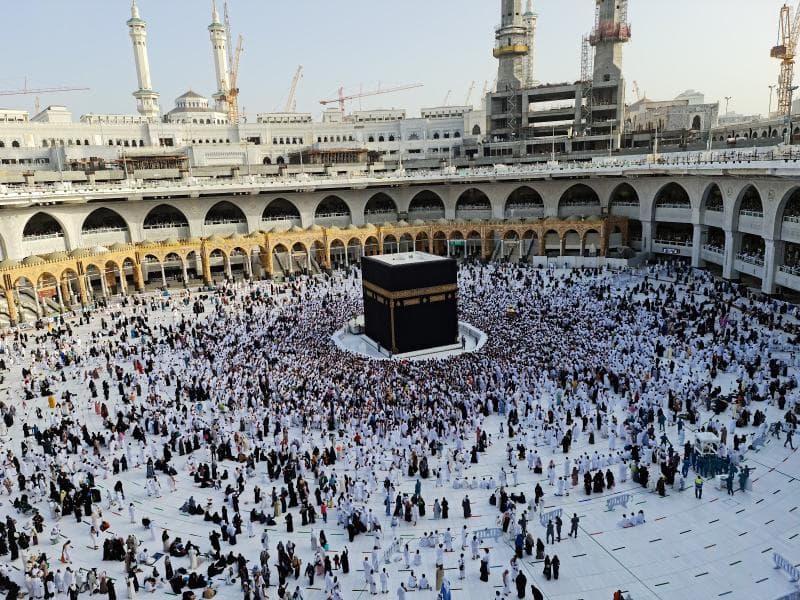

Explore the iconic Grand Mosque Minarets of Masjid al-Haram in Mecca, Saudi Arabia. Discover their rich history, architectural grandeur, and spiritual significance.
Overview
The Grand Mosque Minarets, an integral part of the majestic Masjid al-Haram in Mecca, Saudi Arabia, stand as towering beacons of faith and architectural grandeur. These slender structures are not merely decorative elements but serve a profound spiritual purpose, embodying centuries of Islamic heritage and welcoming millions of pilgrims annually. Currently, the Grand Mosque boasts 13 minarets, which vary in height, with some soaring up to 139 meters (approximately 456 feet) into the sky. They are strategically positioned around the vast complex, making them visible from many points in the holy city and guiding worshippers towards the sacred Kaaba.
Each minaret is an architectural marvel, typically divided into five distinct sections: the base, the first balcony, the main shaft, a second balcony, and a distinctive cover often adorned with a crescent finial. These magnificent towers play a crucial role during prayer times, as the resonating call to prayer, known as the Adhan, emanates from them, creating an atmosphere of deep devotion and tranquility throughout the surrounding area.
History & Cultural Background
The history of the Grand Mosque Minarets is interwoven with the continuous expansion and evolution of Masjid al-Haram itself, a testament to the enduring significance of this holy site. The first recorded minaret within the Grand Mosque was constructed during the expansion efforts of the Abbasid Caliph Abu Jafar al-Mansour in the western corner. Over subsequent centuries, various rulers and caliphs undertook significant renovations and additions. For instance, Ottoman Sultan Murad IV added three minarets during a renovation in 1629, bringing the total to seven at that time.
The modern era has witnessed the most significant expansions. During the First Saudi Expansion of the Grand Mosque between 1955 and 1976, existing minarets were renovated and additional ones were built, increasing their number. King Fahd's expansion, which commenced in 1986, further added to the mosque's area and saw the construction of new, monumental minarets, some reaching considerable heights. This continuous development reflects a commitment to accommodating the ever-increasing number of pilgrims and preserving the mosque's status as the largest and most revered place of worship in Islam. Minarets, in general, historically served not just for the call to prayer but also as symbols of Islamic presence and authority.
What Makes It Special
What sets the Grand Mosque Minarets apart is their sheer number, impressive height, and their profound integration into one of the world's most sacred sites. With 13 minarets, they form a striking outline against the Meccan sky, each contributing to the grandeur of Masjid al-Haram. Their heights vary; for example, two minarets at the Umrah Gate and two at the King Abdulaziz Gate stand at 137 meters, while others like those at King Fahd Gate are 98 meters, and four in the Third Saudi Expansion reach 135 meters. This variation adds to their architectural diversity while maintaining a harmonious aesthetic.
Beyond their physical attributes, these minarets are functional masterpieces. They are equipped with state-of-the-art sound systems to broadcast the Adhan, ensuring that the call to prayer reaches every corner of the vast mosque complex and beyond. Their presence signifies the centrality of prayer in Islam and the mosque's role as a gathering place for Muslims worldwide. The detailed craftsmanship, from their sturdy bases to the intricate crescent finials, showcases a blend of traditional Islamic architecture with modern engineering, designed to withstand time and host millions.
Stories, Fun Facts & Local Details
The minarets of Masjid al-Haram carry a rich tapestry of stories and cultural significance. Historically, before the advent of loudspeakers, a muezzin would ascend these towers five times a day to manually deliver the Adhan, calling the faithful to prayer at dawn, noon, mid-afternoon, sunset, and night. Though now amplified electronically, the tradition and spiritual weight of the Adhan emanating from these heights remain deeply moving. It is said that the muezzin would face each cardinal direction to ensure the call was widely heard, symbolically embracing all corners of the world.
A fun fact is the evolving design of the crescent finials atop each minaret. These iconic symbols have been renewed and reshaped across various Islamic eras, culminating in the elegant designs seen today. The minarets serve as silent witnesses to centuries of pilgrimage, prayer, and devotion, absorbing the spiritual energy of countless worshippers. Their towering forms are not just architectural elements but living symbols that connect the past, present, and future of Islamic faith, guiding and inspiring believers through their enduring presence.
Visitor Perspective
For any traveler or pilgrim approaching Masjid al-Haram, the Grand Mosque Minarets are often the first visible signs of the sacred sanctuary, majestically punctuating the skyline of Mecca. They immediately instill a sense of awe and spiritual anticipation. As one draws closer, their impressive height and elegant design become even more apparent, offering a powerful visual connection to the holy Kaaba at the mosque's heart.
During prayer times, the experience of hearing the Adhan broadcast from these minarets is truly transformative. The melodious call resonates through the air, enveloping the entire city in a profound sense of peace and unity. It's a reminder of the global Muslim community, all turning towards the same focal point in prayer. The minarets, illuminated against the night sky, add a serene beauty to the mosque, enhancing the spiritual atmosphere and leaving an indelible impression on the hearts of those who witness them. They represent continuity, faith, and the enduring significance of this sacred place in the lives of Muslims worldwide.
Coordinates: 39.8262, 21.4225
View on Google Maps💬 How Travelers Describe This Place
Based on community votes
Interesting
800Must See
658Beautiful
589Photogenic
387Unique
90
Traveler Stories
Discover memorable experiences shared by travelers who have visited this place.
No traveler stories yet.
Be the first traveler to share what made this place memorable.

Tour
By
Spot
Discover amazing places around the world. Your journey starts here.
Explore
© 2026 TourBySpot. All rights reserved.