Grand Hall
Riga, Latvia
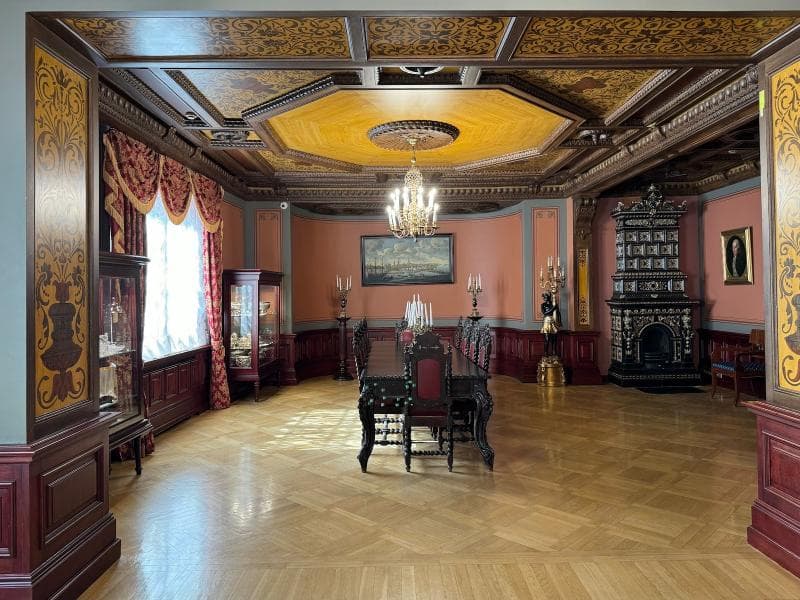
Discover the opulent Grand Hall within Riga, Latvia's House of the Black Heads. Explore its rich history, stunning architecture, and cultural significance. A must-see for history buffs.
Overview
The Grand Hall, nestled within Riga, Latvia's iconic House of the Black Heads, is far more than just a room; it is a meticulously recreated testament to centuries of vibrant history, grand celebrations, and mercantile power. Situated in the heart of Riga's Old Town, this magnificent space stands as a symbol of the city's enduring spirit and cultural richness. Visitors step into an opulent environment that once hosted royalty and continues to be a prestigious venue today, offering a unique glimpse into the historical heart of Latvian society.
History & Cultural Background
The story of the House of the Black Heads, and by extension its Grand Hall, begins in 1334 when the original building, then known as the New House, was erected as a warehouse, meeting, and celebration place for Riga's merchants. From the mid-15th century, it became the headquarters for the Brotherhood of Blackheads, a distinguished guild of unmarried merchants, shipowners, and foreigners who played a pivotal role in Riga's economy and culture. These jovial and enterprising men were known for organizing lively festivals and cultural events, making the house a vibrant social hub. Their patron saint, Saint Maurice, often depicted as a Black African knight, gave the brotherhood its distinctive name and the 'moor's head' became their identifying symbol.
Tragically, the original building suffered immense damage during World War II bombings in 1941 and was later demolished by the Soviet government in 1948. However, the resilient spirit of Riga led to a remarkable reconstruction project between 1996 and 2000, faithfully bringing the House of the Black Heads back to its former glory based on historical records, photographs, and archaeological findings. The people of Latvia contributed significantly to its rebuilding, embodying the spirit of an inscription once found on its gates: 'Should I ever crumble to dust, rebuild my walls you must'.
What Makes It Special
The Grand Hall, sometimes referred to as the Celebration Hall or Festive Hall, is arguably the jewel in the crown of the House of the Black Heads. It is a breathtaking space designed for splendor and festivity. The hall is particularly notable for its soaring, vaulted ceilings adorned with exquisite murals, including the apotheosis of Saint Maurice, the patron saint of the Blackheads. Glittering chandeliers cascade from above, illuminating richly decorated walls and intricate architectural details that speak volumes of the wealth and artistic aspirations of Riga's past merchant elite. This magnificent room was historically the setting for prestigious events, from welcoming ceremonies for European monarchs and presidents to grand balls and cultural gatherings. The meticulous recreation ensures that every detail, from the grand proportions to the delicate ornamentation, offers an immersive experience of historical opulence.
Stories, Fun Facts & Local Details
The House of the Black Heads holds a special place in local lore, including the notable claim of being the site of the first decorated public Christmas tree in 1510, a tradition now celebrated worldwide. A stone marker outside the building commemorates this fascinating detail. Another interesting chapter in its history is its temporary role as the official residence for the President of Latvia between 2012 and 2016, while Riga Castle underwent reconstruction. This period added another layer of modern significance to its rich historical narrative. The building's rebirth itself is a powerful story, symbolizing national pride and resilience, with many ordinary citizens contributing donations to its meticulous reconstruction. The medieval cellars, the only original part of the building to survive the wartime destruction and Soviet demolition, offer a stark contrast to the grandeur above, providing a tangible link to the building's earliest days as a merchant's warehouse.
Visitor Perspective
Visiting the Grand Hall within the House of the Black Heads offers a profound journey into Riga's illustrious past. As you ascend to this magnificent space, you are enveloped by an atmosphere of historical importance and artistic grandeur. The sheer scale and intricate decoration of the hall invite contemplation of the countless historic events and lavish celebrations it once witnessed. Beyond its aesthetic appeal, the Grand Hall continues to be a vibrant cultural venue, hosting concerts, exhibitions, and official ceremonies, allowing visitors to experience its living legacy. Exploring the House provides insights not only into the life of the Brotherhood of Blackheads but also into the broader historical and cultural fabric of Riga, making it an essential stop for anyone seeking to understand the enduring spirit of this Baltic gem. An audio guide is often available in multiple languages to enrich the experience, guiding curious travelers through its storied rooms.
Coordinates: 24.106917, 56.947139
View on Google Maps💬 How Travelers Describe This Place
Based on community votes
Must See
950Beautiful
287Photogenic
255Unique
231Interesting
86
Traveler Stories
Discover memorable experiences shared by travelers who have visited this place.
No traveler stories yet.
Be the first traveler to share what made this place memorable.

Tour
By
Spot
Discover amazing places around the world. Your journey starts here.
Explore
© 2026 TourBySpot. All rights reserved.