Grand Hall
Hamburg, Germany
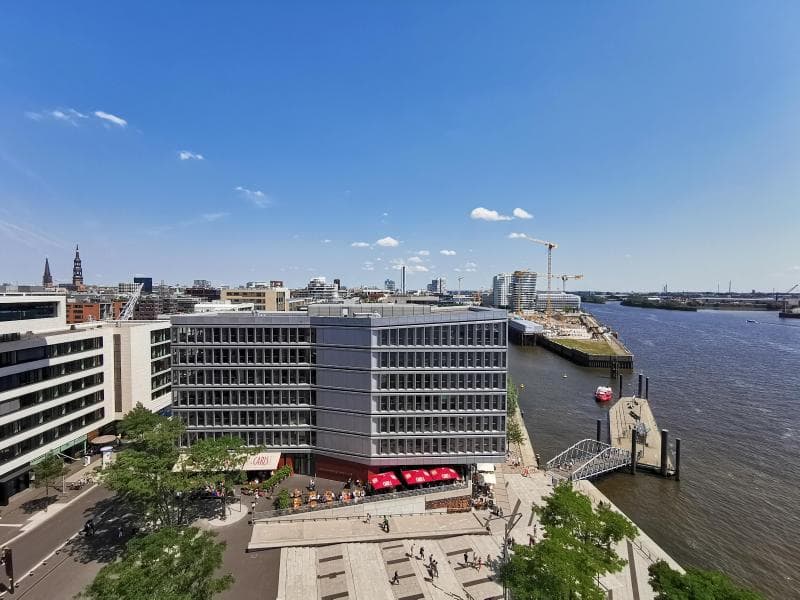
Discover the Grand Hall of Elbphilharmonie Hamburg, Germany. A marvel of acoustics and architecture, this iconic concert venue offers unparalleled musical experiences.
Overview
Nestled majestically on the banks of the Elbe River in Hamburg, Germany, the Grand Hall stands as the beating heart of the iconic Elbphilharmonie. Elevated 50 metres above the historic Kaispeicher A warehouse, this architectural marvel is not merely a concert venue but a destination in itself. With a capacity for 2,100 guests, the Grand Hall captivates visitors with its unique 'vineyard' style seating arrangement, where the stage is centrally positioned and surrounded by terraced rows, fostering an extraordinary sense of intimacy between performers and audience. It is revered globally for its exceptional acoustics, making it a pivotal cultural landmark that draws music lovers and curious travellers alike to experience its unparalleled sonic and visual grandeur.
History & Cultural Background
The story of the Elbphilharmonie, and by extension its Grand Hall, is a fascinating blend of heritage and audacious modern vision. It rises atop the Kaispeicher A, a robust brick warehouse dating back to the 1960s, which formerly stored cocoa, tea, and tobacco. Swiss architects Herzog & de Meuron conceived the audacious design, creating a shimmering glass superstructure that appears to float above the solid brick base, symbolizing Hamburg's maritime history and its forward-looking spirit. Inaugurated in January 2017, the Elbphilharmonie quickly transcended its role as a building to become a potent cultural symbol, representing Hamburg's resurgence as a global cultural hub. Its construction was a monumental undertaking, weaving together a rich past with a vibrant future, and solidifying its place as a cornerstone of the city's musical and architectural landscape.
What Makes It Special
The Grand Hall's distinctiveness stems from its groundbreaking design and engineering. Its 'vineyard' style architecture ensures that no audience member is further than 30 metres from the conductor, creating an immersive experience unparalleled in traditional concert halls. The hall's extraordinary acoustics are the handiwork of renowned Japanese acoustician Yasuhisa Toyota. The interior is clad in what is affectionately known as the 'white skin' – 10,000 individually milled gypsum fibre panels that meticulously reflect and disperse sound, ensuring crystal-clear audio fidelity to every seat. To achieve this sonic purity, the entire 12,500-tonne hall rests on 362 giant spring assemblies, acoustically decoupling it from the vibrations of the surrounding building and the bustling harbour outside. Adding to its magnificence is a bespoke concert organ, crafted by Klais Orgelbau, featuring almost 5,000 pipes and 69 stops, which perfectly complements the hall's architectural and acoustic brilliance.
Stories, Fun Facts & Local Details
Affectionately known to locals as 'Elphi', the Elbphilharmonie, and especially its Grand Hall, is rich with captivating details. The exterior's undulating glass facade, often likened to sails, water waves, an iceberg, or a quartz crystal, reflects the sky, water, and city in a constantly changing spectacle. The journey to the concert halls is an experience in itself, starting with the 82-meter curved escalator, known as the 'Tube', which transports visitors through the old warehouse. Above the brick base, between the historical structure and the modern glass edifice, lies the publicly accessible Plaza. This expansive viewing platform offers breathtaking 360-degree panoramic views of Hamburg's harbour and cityscape, serving as a dynamic meeting point before concerts. The intricate 'white skin' of the Grand Hall is not just functional; its unique structure, composed of countless small fish-scale-like elements, is a testament to the meticulous attention to both visual and auditory design. For classical concerts, the Grand Hall typically uses no electronic amplification, relying solely on its natural, transparent acoustics to deliver every note with stunning clarity.
Visitor Perspective
Stepping into the Grand Hall is an immersive journey for the senses. The path through the Elbphilharmonie, from the main entrance via the 'Tube' and the Plaza, builds anticipation before reaching the awe-inspiring concert space itself. Visitors consistently remark on the feeling of being exceptionally close to the performance, regardless of their seating location, a direct result of the ingenious vineyard architecture. The precision of the acoustics means every instrument, every vocal nuance, is delivered with astonishing clarity, creating a profound connection to the music. Many guests also cherish the spectacular views of the city and harbour from the hall's foyers, accessible before and after performances. For those wishing to delve deeper into its wonders, guided tours offer an insightful exploration of its history, architecture, and musical philosophy. It's an experience that transcends a mere concert, becoming a memorable encounter with world-class artistry and architectural brilliance.
Coordinates: 9.98417, 53.54139
View on Google Maps💬 How Travelers Describe This Place
Based on community votes
Beautiful
545Must See
343Interesting
211Photogenic
74Unique
20
Traveler Stories
Discover memorable experiences shared by travelers who have visited this place.
No traveler stories yet.
Be the first traveler to share what made this place memorable.

Tour
By
Spot
Discover amazing places around the world. Your journey starts here.
Explore
© 2026 TourBySpot. All rights reserved.