Grand Courtyard
Vilnius, Lithuania
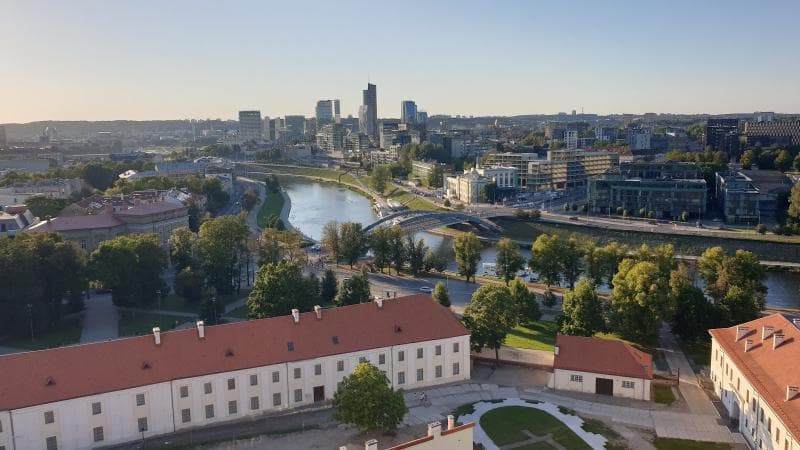
Explore the Grand Courtyard of Vilnius University in Lithuania, a historic and architectural masterpiece blending Renaissance, Baroque, and Classical styles.
Overview
Nestled within the historic embrace of Vilnius University, a jewel of Lithuanian heritage, lies the magnificent Grand Courtyard. As the largest and most prominent of the university's thirteen courtyards, it serves as the architectural heart and spiritual core of this esteemed academic institution in Vilnius, Lithuania. This grand space, often referred to as the 'pantheon of the University,' showcases a stunning blend of architectural styles, primarily Renaissance, Baroque, and Classicism, reflecting centuries of development and change. Visitors step into a realm where history breathes through every archway and fresco, surrounded by buildings that have witnessed pivotal moments in European intellectual life.
The Grand Courtyard is not merely an open space; it is an intricately designed ensemble featuring the striking Church of St. John with its towering belfry, the solemn University Aula, and galleries adorned with memorial plaques. It's a place where students gather, ceremonies unfold, and curious travelers can delve into the profound history and enduring legacy of one of Eastern Europe's oldest universities. The courtyard's serene yet imposing atmosphere invites contemplation, offering a unique glimpse into the confluence of education, faith, and art.
History & Cultural Background
Vilnius University, established in 1579 by the Jesuits, holds a significant place in the cultural and educational landscape of Lithuania and beyond. The Grand Courtyard, formed along with the Observatory and Library Courtyards at the end of the 16th century, grew organically over centuries as new structures were added around its original core.
Originally known as the Jesuit Academy of Vilnius, the institution quickly became a center for Catholic education and Counter-Reformation activities, disseminating knowledge throughout Eastern Europe. The architectural evolution of the Grand Courtyard mirrors the university's long and often tumultuous history, marked by periods of expansion, closure during wars and occupations, and subsequent revivals. Each architectural layer—from the initial Gothic influences to the later Renaissance, Baroque, and Neoclassical additions—tells a story of resilience and adaptation, making the university a 'unique witness to the history of the Lithuanian state'.
The gallery of the Grand Courtyard is particularly rich in historical symbolism, featuring plaques that commemorate the university's founders, patrons, and distinguished scientists. These tributes serve as a constant reminder of the intellectual giants who shaped the institution and, by extension, the nation's cultural identity.
What Makes It Special
The Grand Courtyard stands out as the most impressive of Vilnius University's thirteen courtyards, primarily due to its sheer scale and the iconic structures it encompasses. The Church of St. John, a magnificent Baroque edifice rebuilt in 1749, dominates the eastern side, its elaborate facade and soaring bell tower—one of the tallest in Vilnius Old Town—creating a breathtaking focal point.
Within the courtyard's galleries, vivid frescoes depict university coats of arms and portraits of notable figures like Bishop Waleryan Protaszewicz and Kazimieras Leonas Sapiega, adding a layer of artistic and historical richness. These artistic elements, combined with the solemn memorial plaques, transform the courtyard into a living museum of academic and national heritage. The fusion of architectural styles—Gothic, Renaissance, Baroque, and Classicism—within this single space offers a visual journey through five centuries of European design.
Moreover, the Grand Courtyard is not a relic of the past but a vibrant, active space where academic life continues. It hosts significant university events, including graduation ceremonies, creating a powerful sense of continuity and tradition for students and faculty alike.
Stories, Fun Facts & Local Details
The Grand Courtyard holds numerous stories and interesting details that deepen its charm. For instance, the northern wing of the palace preserves the 16th-century name of the university, 'Academia et Universitas Societatis Jesu', a direct link to its Jesuit origins. The university's role as the easternmost university in Europe for two centuries highlights its historical significance in spreading education and culture across the region.
St. John's Church, an integral part of the courtyard, is not only an architectural marvel but also houses the biggest organ in Lithuania and frequently serves as a venue for musical events, filling the historic space with melodies. Climbing its bell tower (access permitting) offers spectacular panoramic views of Vilnius Old Town, providing a unique perspective on the city's rich tapestry of rooftops and spires.
The Grand Courtyard, along with other university spaces, is part of a self-guided route called 'Seven Wonders of Vilnius University', emphasizing its paramount importance as a cultural and historical landmark. It's a place where 'the genius loci of the city most often reveals itself,' making it a profound spot for understanding Vilnius's soul.
Visitor Perspective
For visitors, the Grand Courtyard offers a captivating journey through time and intellect. Walking beneath its arcades and past the venerable facades, one can almost hear the echoes of scholars and students from centuries past. The atmosphere is one of learned tranquility, punctuated by the subtle bustle of contemporary university life.
Access to the Grand Courtyard is generally open to the public, allowing for a leisurely exploration of its historical depth. Many find themselves drawn to the intricate details of the memorial plaques and the grandeur of St. John's Church. Taking time to absorb the architectural details, from the varied window styles to the decorative frescoes, reveals the layered history of this significant site. It's a perfect spot for those seeking both historical insight and a moment of quiet reflection amidst the vibrant energy of Vilnius Old Town. The experience is akin to stepping into a carefully preserved chapter of European intellectual heritage, offering a profound connection to Lithuania's past and present.
Coordinates: 25.28722, 54.6825
View on Google Maps💬 How Travelers Describe This Place
Based on community votes
Interesting
551Unique
547Beautiful
336Photogenic
298Must See
219
Traveler Stories
Discover memorable experiences shared by travelers who have visited this place.
No traveler stories yet.
Be the first traveler to share what made this place memorable.

Tour
By
Spot
Discover amazing places around the world. Your journey starts here.
Explore
© 2026 TourBySpot. All rights reserved.