Golden Whip Exhibit
Ulaanbaatar, Mongolia
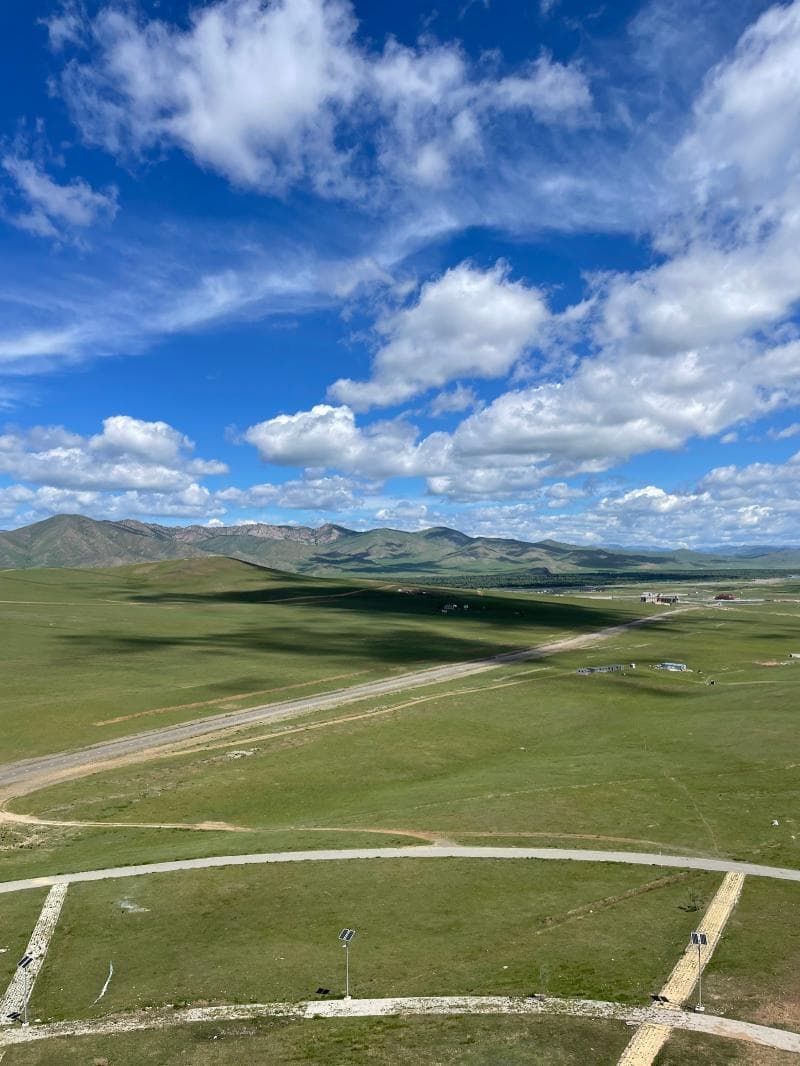
Explore the legendary Golden Whip Exhibit at the Genghis Khan Statue Complex in Ulaanbaatar, Mongolia, a symbol of destiny and leadership.
Overview
The Golden Whip Exhibit, nestled within the expansive Genghis Khan Statue Complex in Tsonjin Boldog, Ulaanbaatar, Mongolia, centers on a legendary symbol deeply intertwined with the destiny of Genghis Khan himself. While not a traditional 'exhibit' in the sense of a singular, enclosed display, the essence of the golden whip permeates the entire complex, from the colossal statue it adorns to the narratives shared within the museum. The Genghis Khan Statue Complex, a monumental tribute to Mongolia's most revered historical figure, stands as the world's largest equestrian statue, towering 40 meters (131 feet) high on the steppe and resting on a 10-meter (33 feet) tall visitor center. This iconic landmark was completed in 2008 to commemorate the 800th anniversary of the Mongol Empire's founding. Visitors to the complex are invited to delve into Mongolia's rich history and culture, with the golden whip serving as a potent emblem throughout their journey.
History & Cultural Background
The significance of the golden whip at this particular site stems from a powerful Mongolian legend. It is believed that in this very location, Tsonjin Boldog, the young Temujin—who would later become Genghis Khan—discovered a golden whip. This serendipitous find, according to folklore, was interpreted as an auspicious omen, a divine sign of his destined leadership, fortune, and the immense power he would wield to unite the Mongol tribes and establish the largest contiguous land empire in history. The whip, a common tool in nomadic life, transformed into a profound symbol of imperial authority and divine favor in Genghis Khan's narrative. His journey from a challenging youth to a visionary leader is inextricably linked to this emblem, reflecting the Mongolian belief in destiny and the spiritual connection between leaders and their land. The statue itself depicts Genghis Khan holding this golden whip in his right hand, facing eastward, a symbolic gesture toward his birthplace and the rising sun, representing hope and new beginnings.
What Makes It Special
What makes the Golden Whip Exhibit, or rather the golden whip's story, truly special is its foundational role in the mythos of Genghis Khan and, by extension, the Mongolian nation. It is not merely an artifact but a cornerstone of national identity and pride. The act of finding the golden whip at Tsonjin Boldog imbued the location with sacred importance, making it the ideal spot for such a grand monument. Inside the visitor center, while there might not be one single 'exhibit' exclusively named 'Golden Whip,' the legend is prominently featured. For instance, some reports mention a 5-meter replica of a golden whip hanging within the complex, directly referencing this founding legend. This representation, coupled with detailed historical exhibits on the Mongol Empire, traditional Mongolian culture, and artifacts from the era, ensures that the visitor understands the whip's symbolic weight. The integration of this legend into the architecture and museum narrative makes the historical experience profoundly immersive, connecting visitors directly to the cultural heart of Mongolia.
Stories, Fun Facts & Local Details
The legend of the golden whip is more than just a historical anecdote; it's a living story woven into the fabric of Mongolian heritage. Imagine young Temujin, facing adversity, stumbling upon this shimmering whip on the vast steppe. The moment of discovery would have been seen as a powerful affirmation from the heavens, marking him as chosen. This narrative resonates deeply with Mongolians, symbolizing resilience, divine blessing, and the triumph of destiny. A fun detail within the complex is how the massive equestrian statue vividly portrays this legend. Genghis Khan sits atop his horse, resolutely holding the golden whip, a constant reminder of his fated rise to power. The visitor center below the statue also features other remarkable displays, including a gigantic, 9-meter-tall traditional Mongolian boot, crafted from over 200 cowhides, and an archaeological museum housing Bronze Age tools and Hunnu-era artifacts. These elements, alongside the narrative of the golden whip, enrich the visitor's understanding of nomadic life and the vast historical tapestry of Mongolia. It's a place where history isn't just displayed, but felt and experienced.
Visitor Perspective
For any curious traveler, a visit to the Genghis Khan Statue Complex offers an unparalleled journey into the legend of the golden whip. Your exploration typically begins at the visitor center, which forms the base of the statue. Here, you'll find the museum and exhibition halls that detail the life and legacy of Genghis Khan, contextualizing the golden whip within his epic story. Moving through the exhibits, you'll encounter displays explaining the whip's symbolism of power and destiny. The highlight for many is ascending through the statue itself—an elevator takes you partway, followed by stairs leading to an observation deck located within the horse's head. From this vantage point, you're not only treated to breathtaking panoramic views of the surrounding Mongolian steppe but also stand literally above the golden whip held by the great Khan. This unique perspective allows for a profound moment of reflection on the legend and the immense impact of Genghis Khan. The complex is designed to be interactive and engaging, offering a blend of historical education and awe-inspiring scale, making the story of the golden whip tangible and unforgettable.
Coordinates: 107.52975, 47.8080556
View on Google Maps💬 How Travelers Describe This Place
Based on community votes
Unique
915Photogenic
873Beautiful
123Must See
74Interesting
53
Traveler Stories
Discover memorable experiences shared by travelers who have visited this place.
No traveler stories yet.
Be the first traveler to share what made this place memorable.

Tour
By
Spot
Discover amazing places around the world. Your journey starts here.
Explore
© 2026 TourBySpot. All rights reserved.