Gold Artifacts Hall
Jakarta, Indonesia
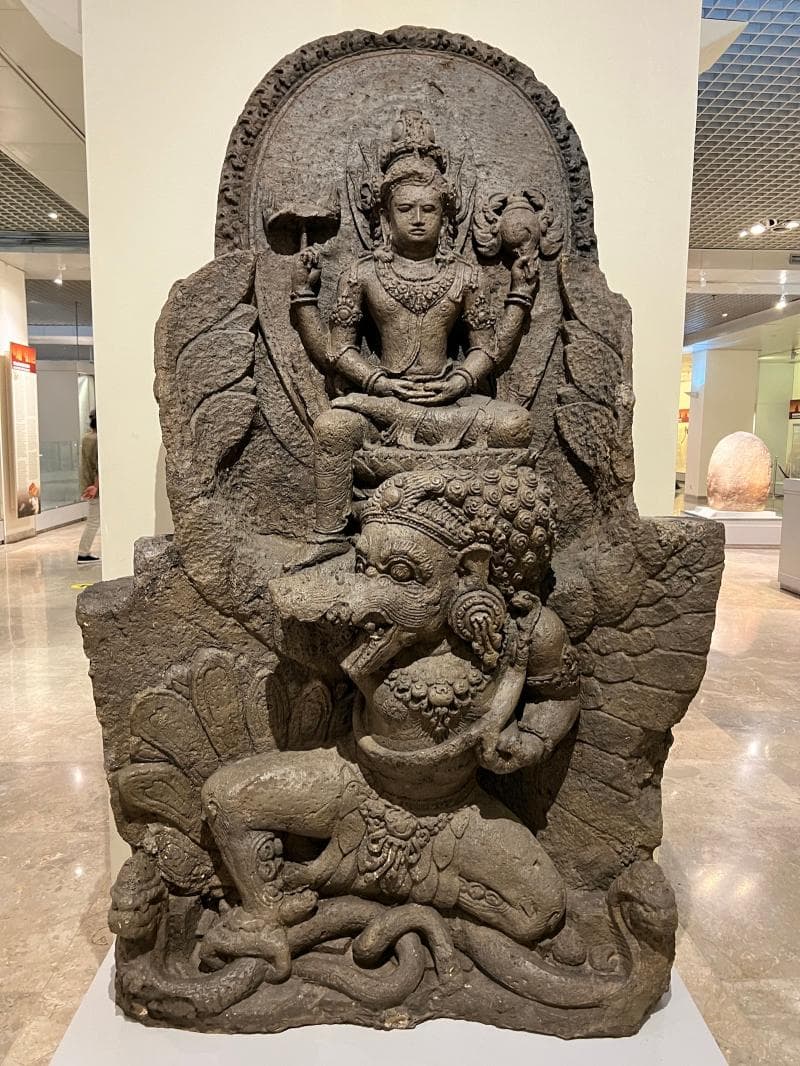
Discover ancient Indonesian royal treasures in the Gold Artifacts Hall at the National Museum of Indonesia, Jakarta. Explore dazzling gold jewelry and ceremonial objects from rich Hindu-Buddhist kingdoms.
Overview
Step into a realm of dazzling history at the Gold Artifacts Hall, a prominent exhibition within the venerable National Museum of Indonesia in Jakarta. This esteemed hall showcases an exquisite collection of gold and silver ornaments, jewelry, and ceremonial objects, offering a brilliant window into the archipelago's rich past. As one of the most comprehensive museums in Southeast Asia, the National Museum houses a staggering 141,000 objects, with its gold collection being a particular highlight, revealing the artistic prowess and cultural depth of ancient Indonesian civilizations. The museum itself, affectionately known as 'Gedung Gajah' (Elephant Building) due to the bronze elephant statue in its forecourt, is a treasure trove of archaeological, historical, ethnological, and geographical artifacts, preserving Indonesia's heritage for over two centuries.
History & Cultural Background
Gold has held a profound and enduring significance in Indonesian culture for millennia, far beyond its monetary value. It was a potent symbol of wealth, power, and social status, especially among the nobility and royalty of the ancient Hindu-Buddhist kingdoms that flourished across the archipelago. Civilizations like the Majapahit Empire, which peaked in the 14th century, were renowned for their luxurious gold jewelry adorned with precious stones, often featuring motifs symbolizing fertility, prosperity, and protection. Ancient Javanese gold artifacts, dating as far back as the 3rd century AD, showcase exceptional skill and artistry, reflecting advanced metalworking techniques. These precious objects not only served as adornment but also as critical sources of information about Javanese society, culture, religion, economy, and technology. The discovery of hoards like the Wonoboyo treasure near Yogyakarta in 1990, containing over 6,000 gold and silver coins and more than 1,000 ceremonial objects, underscores the sheer abundance and importance of gold during the 9th and 10th centuries, a period marked by the merging of Hinduism and Buddhism in Central Java. Gold continued to be integral through different eras, including the later Islamic sultanates, blending various influences into unique Javanese styles.
What Makes It Special
The Gold Artifacts Hall stands out due to the remarkable craftsmanship and historical narratives embedded within each piece. The collection includes a diverse array of items from ancient Java and Sumatra, ranging from elaborate jewelry to sculptures, coins, and containers. Many of these artifacts were commissioned by kings, ensuring they were crafted by the finest goldsmiths of their time, resulting in superb workmanship and intricate decorations that represent the pinnacle of ancient Javanese art. For the Indonesians, these gold treasures are akin to 'pusaka,' sacred heirlooms imbued with special significance, representing the absolute cream of Indonesia's national heritage. The sheer volume and artistic diversity of the gold items on display offer a unique opportunity to witness the evolution of Indonesian metallurgical artistry and the profound cultural values placed on this precious metal throughout history. It is a testament to the nation's rich heritage, showcasing pieces that are among the most complete and finest of their kind in Southeast Asia.
Stories, Fun Facts & Local Details
Indonesia's association with gold dates back to ancient times, with the islands of Borneo, Java, and Sumatra even being known to early travelers as the 'golden islands.' Some historical accounts even suggest that ancient Sumatran deposits might have been the fabled 'King Solomon's Mine.' Beyond their aesthetic appeal, many gold objects held deep ceremonial and religious significance, believed to convey almost magical power to individual rulers. The term 'pusaka' highlights this reverence, denoting an often sacred heirloom. While the museum proudly displays its golden heritage, it has also faced challenges; for instance, in 2013, four precious golden artifacts from the 10th-century Eastern Mataram kingdom were stolen, highlighting the immense value and desirability of these historical treasures. These artifacts, some of which were found in ancient royal bathing places and temples, were believed to symbolize the power of Hindu gods and goddesses and represent the soul of the temple itself. Visitors will also learn that the National Museum is popularly known as the 'Elephant Museum' (Museum Gajah), a charming nickname derived from the bronze elephant statue donated by King Chulalongkorn of Thailand in 1871, which greets guests at the entrance.
Visitor Perspective
Exploring the Gold Artifacts Hall at the National Museum of Indonesia is an awe-inspiring experience, transporting visitors through centuries of Indonesian royalty, spirituality, and artistic achievement. The glittering displays provide a tangible connection to the powerful Hindu-Buddhist kingdoms and their opulent courts. It's a journey through a heritage where gold was not merely a material but a medium for expressing power, faith, and identity. The hall offers clear explanations and historical context, enabling a deeper appreciation of the intricate designs and the stories each piece tells. For anyone curious about Indonesia's ancient civilizations, the hall is an indispensable stop, providing an enriching educational experience that reveals the sophisticated artistry of Javanese goldsmiths and the enduring cultural significance of gold. The museum as a whole is frequently lauded as one of the best and most complete in Indonesia, making a visit to its Gold Artifacts Hall a truly memorable encounter with the nation's golden past.
Coordinates: 106.8217, -6.1761
View on Google Maps💬 How Travelers Describe This Place
Based on community votes
Photogenic
996Must See
953Beautiful
658Interesting
585Unique
69
Traveler Stories
Discover memorable experiences shared by travelers who have visited this place.
No traveler stories yet.
Be the first traveler to share what made this place memorable.

Tour
By
Spot
Discover amazing places around the world. Your journey starts here.
Explore
© 2026 TourBySpot. All rights reserved.