Glockenturm
Graz, Austria
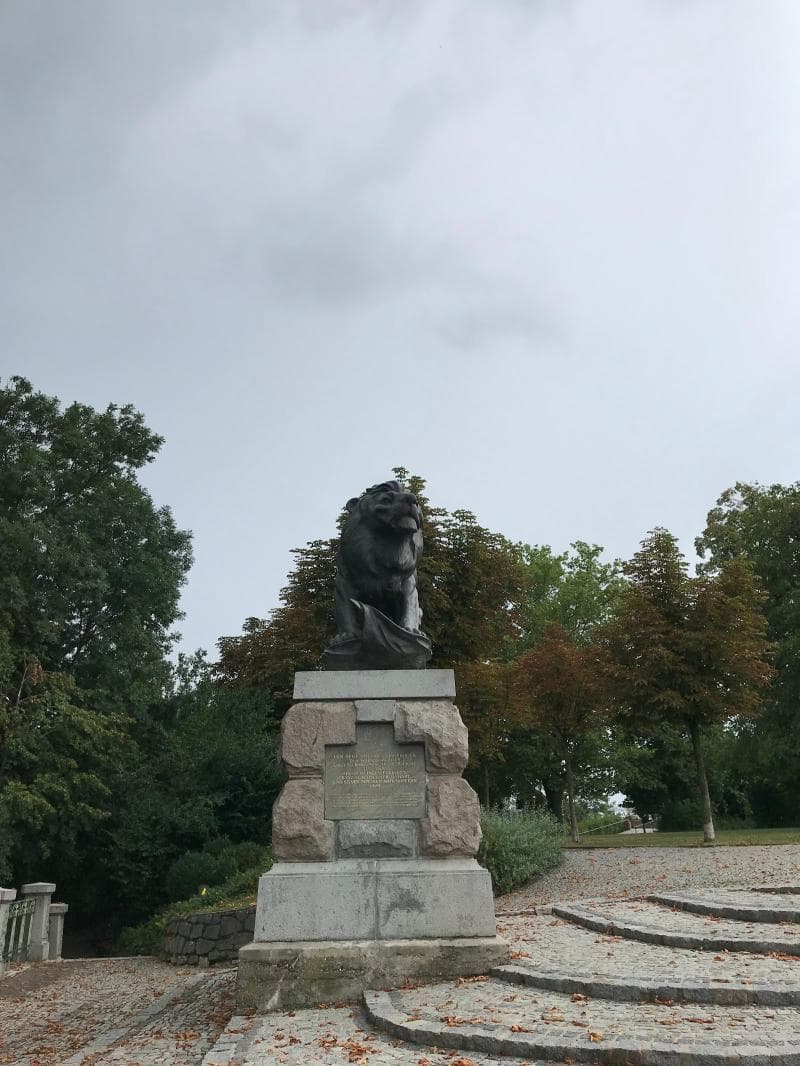
Discover the historic Glockenturm (Bell Tower) on Schlossberg in Graz, Austria, home to the Liesl bell and tales of civic resilience.
Overview
Perched majestically on the Schlossberg, the tree-clad hill at the heart of Graz, Austria, stands the historic Glockenturm, or Bell Tower. While often overshadowed by its more famous sibling, the Uhrturm (Clock Tower), the Glockenturm holds its own significant place in the city's rich tapestry of history and culture. This octagonal tower, a striking example of Alpine Renaissance architecture, is not merely a structure but a custodian of centuries-old tales, serving as a beacon of the past for all who visit Schlossberg. Its presence contributes to Graz's designation as a UNESCO World Heritage site, inviting curious travelers to delve into its unique narrative.
The Glockenturm is easily recognizable by its robust octagonal form and the distinct, deep chime of its resident bell. From its elevated position, visitors can enjoy picturesque views of Graz, a city renowned for its red-tiled rooftops and the meandering Mur River. To truly appreciate its charm, one must understand the layers of history embedded within its stone walls and the resonant sound emanating from within.
History & Cultural Background
The Glockenturm was erected in 1588 under the patronage of Archduke Charles II of Inner Austria. It was initially conceived as a free-standing bell tower, or campanile, for the nearby St. Thomas Chapel, which, over centuries, largely disappeared.
Its construction was deeply intertwined with the Styrian Counter-Reformation, a period when the predominantly Protestant estates were compelled to convert to Catholicism. The tower thus stands as a silent witness to a turbulent era of religious and political change. Beyond its spiritual function, the Glockenturm also served a more somber purpose: its basement housed grim prison cells, including the notorious 'Bassgeige' (bass violin) for serious criminals. These cells even featured an 'Angstloch,' a small opening in the cellar ceiling, hinting at the harsh conditions endured by its unfortunate occupants.
Perhaps the most defining moment in the Glockenturm's history came in 1809 during the Napoleonic Wars. As French forces prepared to demolish the Schlossberg fortress, the resourceful and determined citizens of Graz pooled their resources. Through a substantial payment, they effectively 'bought' both the Glockenturm and the Uhrturm, saving these cherished landmarks from destruction and cementing their status as symbols of civic resilience and pride.
What Makes It Special
At the heart of the Glockenturm's unique allure is its monumental bell, known affectionately as 'Liesl.' Cast in Graz in 1587 by Martin Hilger, Liesl is an impressive feat of craftsmanship. With a diameter of 197 cm and a formidable weight of 4,633 kilograms, it holds the distinction of being the third-largest bell in Styria. Its imposing size and the quality of its cast ensure a powerful and resonant tone that has echoed across Graz for over four centuries.
What truly sets the Glockenturm apart is the daily ritual associated with Liesl. Each day, precisely at 7 am, 12 pm, and 7 pm, Liesl rings out 101 times, a distinctive sound that has become an integral part of Graz's soundscape. This tradition, steeped in local lore, adds an emotional depth to the tower, connecting residents and visitors alike to a living piece of history. The tower's survival of Napoleon's onslaught, thanks to the collective will of the Graz citizens, makes it a powerful emblem of local identity and a testament to the community's enduring connection to its heritage.
Stories, Fun Facts & Local Details
The Liesl bell is not only significant for its size and sound but also for the captivating legend surrounding its origin. Local folklore suggests that Liesl was cast from 101 cannonballs captured from the Ottoman army, a story often cited to explain the bell's customary 101 strikes. While this tale is romantically appealing, historical evidence suggests otherwise; cannonballs were typically made of iron, whereas bells require bronze. In reality, the metal for Liesl likely originated from the Styrian Armoury, specifically set aside for this important casting. Regardless of its factual accuracy, the legend adds a layer of mystery and charm to the bell, reflecting the city's historical struggles and triumphs.
Another intriguing detail lies in the Glockenturm's past function as a prison. The mention of prison cells and the 'Bassgeige' in its basement reveals a grimmer side to the tower's history, a stark contrast to its current role as a cultural landmark. These elements offer a fascinating glimpse into the diverse roles such structures played throughout history, from defensive strongholds and religious centers to places of incarceration.
Visitor Perspective
Visiting the Glockenturm offers a unique perspective on Graz and its history. Situated just a short walk from the more prominent Uhrturm, the Bell Tower provides an opportunity for a slightly quieter, more reflective experience. The Schlossberg itself is easily accessible via various routes: a leisurely walk up one of the many paths, a ride on the Schlossbergbahn funicular, or a quick ascent using the Schlossberg lift.
While the exterior of the Glockenturm can be admired at any time free of charge, offering ample photographic opportunities, exploring its interior typically requires participation in a guided tour. These tours provide deeper insights into its architecture, the history of the Liesl bell, and its past as a prison. From the grounds around the tower, visitors are treated to expansive views over Graz, making it an ideal spot to soak in the city's beauty and contemplate its storied past. The resonating strikes of Liesl, echoing across the cityscape at appointed times, serve as a timeless reminder of the tower's enduring legacy and the vibrant spirit of Graz.
Coordinates: 15.4370694, 47.0758638
View on Google Maps💬 How Travelers Describe This Place
Based on community votes
Must See
545Unique
211Photogenic
123Interesting
74Beautiful
20
Traveler Stories
Discover memorable experiences shared by travelers who have visited this place.
No traveler stories yet.
Be the first traveler to share what made this place memorable.

Tour
By
Spot
Discover amazing places around the world. Your journey starts here.
Explore
© 2026 TourBySpot. All rights reserved.