Glass Museum
Venice, Italy
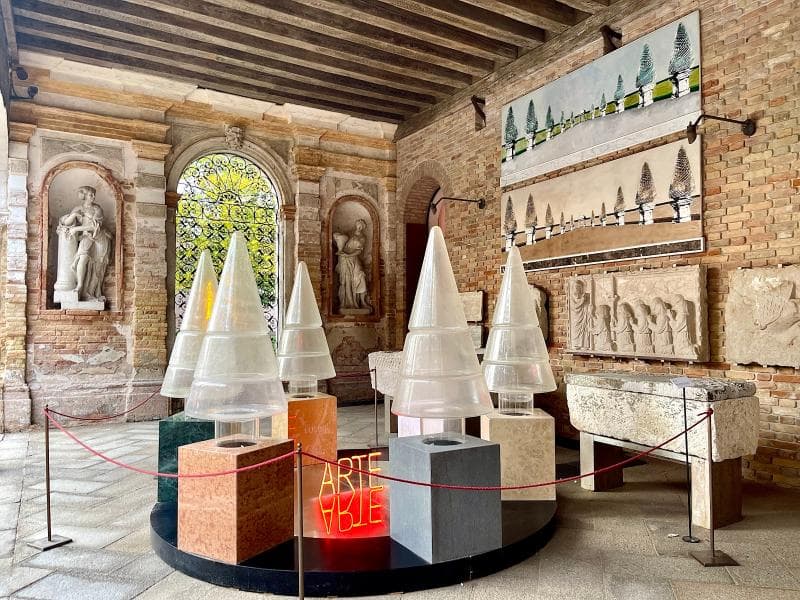
Explore the Murano Glass Museum in Venice, Italy, home to the world's largest collection of Murano glass art and history.
Overview
Nestled on the enchanting Murano Island, just a short vaporetto ride from Venice, Italy, the Glass Museum, known locally as Museo del Vetro, stands as a luminous testament to centuries of glassmaking mastery. It is a cornerstone attraction for anyone eager to delve into the rich history and cultural significance of Murano's world-renowned glass art. Housed within the historic Palazzo Giustinian, a former Gothic palace that once served as the residence for bishops of Torcello, the museum offers a fascinating journey through the evolution of glassmaking.
The museum is not merely a display of beautiful objects; it is a meticulously curated collection that traces glass art from ancient Roman artifacts to the dazzling contemporary creations of Murano's skilled artisans. As a vital part of the Venetian Civic Museums, the Museo del Vetro provides an unparalleled educational experience, showcasing the techniques, innovations, and artistic styles that have made Murano glass legendary across the globe.
History & Cultural Background
The story of Murano's glassmaking tradition is deeply interwoven with that of Venice itself. In 1291, to protect the city from the risk of fires caused by glass furnaces and to safeguard the industry's closely held trade secrets, the Venetian Republic mandated the relocation of all glass production to Murano Island. This pivotal decision transformed Murano into the undisputed capital of glassmaking.
The Murano Glass Museum was formally established much later, in 1861, during a period when the island's glassmaking traditions faced decline after the fall of the Republic of San Marco. It was the vision of two passionate individuals, Antonio Colleoni, then mayor of Murano, and Abbot Vincenzo Zanetti, who championed the creation of an archive to preserve the island's history and glass production knowledge. This initiative quickly blossomed into a museum, largely thanks to the generous donations of exquisite pieces from local glass factories eager to revive and celebrate their heritage.
A year after the museum's founding, in 1862, Abbot Zanetti further cemented Murano's artistic future by establishing a school dedicated to glassmaking, allowing artisans to study and master their craft by examining the historical pieces housed within the museum. In 1923, following Murano's integration into the Municipality of Venice, the museum officially became part of the prestigious Venetian Civic Museums network, ensuring its continued preservation and prominence.
What Makes It Special
What truly sets the Murano Glass Museum apart is its role as the custodian of the world's largest historical collection of Murano glass. Visitors are treated to a chronological journey that begins with remarkable Roman glass artifacts dating from the 1st to the 3rd centuries A.D. and progresses through the illustrious periods of Murano's golden age.
The museum showcases the ingenious techniques developed and perfected on Murano, such as 'a lume' (lampworked glass used for intricate beads), 'a filigrana' (filigree glass, incorporating delicate internal patterns), 'millefiori' (multi-colored glass with floral mosaic patterns), and 'avventurina' (glass with sparkling copper inclusions). Each exhibit illuminates the craftsmanship and artistic evolution that transformed molten sand into breathtaking works of art, from delicate goblets to grand chandeliers.
Beyond the collections, the museum's setting in the Gothic Palazzo Giustinian itself adds to its unique charm. The palace features an impressive 18th-century fresco by Francesco Zugno and houses magnificent chandeliers, including a notable 60-branch piece that earned a gold medal at the first Murano Glass Exposition in 1864. These elements blend history, architecture, and art into a cohesive and memorable experience.
Stories, Fun Facts & Local Details
The history of Murano glass is filled with intriguing tales and strict traditions. The master glassmakers of Murano, while highly esteemed and enjoying privileges like the right to marry into Venetian noble families, were also bound to the island. They were forbidden from leaving without special permission, a measure taken by the Republic to prevent the secrets of their unique craft from spreading. This dedication to secrecy contributed to Murano's centuries-long monopoly on fine glass production.
A visit here reveals the meticulous effort behind each piece, from the tools of the trade to the intricate designs. It's a place where you can almost hear the whispers of generations of artisans, safeguarding techniques and pushing the boundaries of what glass could be. Even today, the museum's collection continues to grow, enriched by donations from contemporary Murano glassmakers, demonstrating the enduring vitality of this ancient art.
Visitor Perspective
For the curious traveler, visiting the Glass Museum is an essential part of any trip to Murano. The museum is conveniently accessible by vaporetto (water bus), with a dedicated 'Museo Murano' stop just steps away. Visitors typically spend between 60 to 90 minutes exploring the highlights, though those wishing to immerse themselves fully in the extensive collections might easily spend two hours or more.
Many travelers find that pairing a museum visit with a live glass furnace demonstration on the island provides a complete picture, connecting the historical masterpieces with the vibrant, living craft. A stroll along Murano's tranquil canals and a visit to the nearby Basilica dei Santi Maria e Donato can further enrich the experience, offering a peaceful counterpoint to the bustling energy of Venice. The museum offers various ticket options, including individual admission or combined passes that allow entry to other island museums like Burano's Lace Museum, making it a flexible and rewarding stop for exploring the Venetian Lagoon.
Coordinates: 12.35689, 45.45662
View on Google Maps💬 How Travelers Describe This Place
Based on community votes
Interesting
836Photogenic
797Unique
255Must See
231Beautiful
86
Traveler Stories
Discover memorable experiences shared by travelers who have visited this place.
No traveler stories yet.
Be the first traveler to share what made this place memorable.

Tour
By
Spot
Discover amazing places around the world. Your journey starts here.
Explore
© 2026 TourBySpot. All rights reserved.