Glass Factories
Venice, Italy
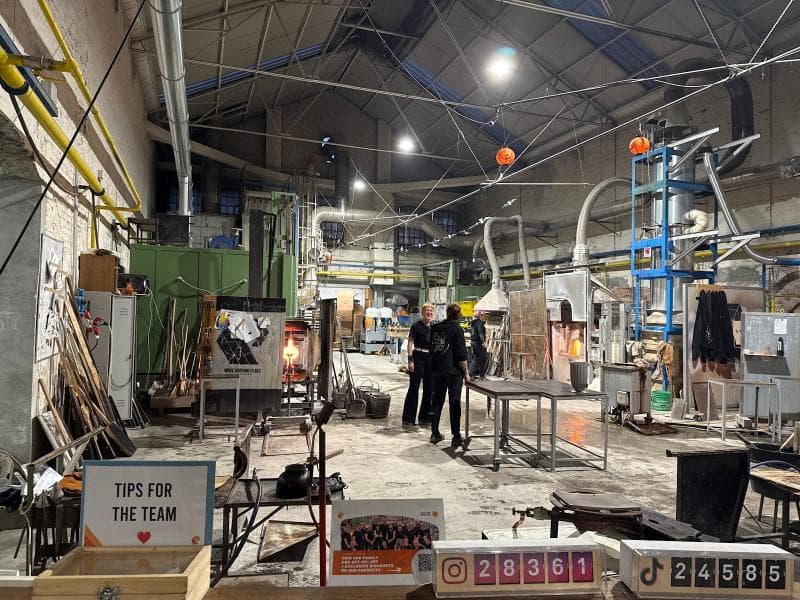
Explore Murano Island's famed glass factories in Venice, Italy. Witness ancient glassblowing techniques and discover centuries of artistic heritage.
Overview
Nestled in the Venetian Lagoon, just a short vaporetto ride from Venice, lies Murano Island, a place synonymous with the breathtaking art of glassmaking. The island is not merely a collection of factories; it is a living testament to centuries of unparalleled craftsmanship and innovation in glass artistry. Visitors to Murano's glass factories embark on a journey into a vibrant world where molten sand transforms into exquisite works of art under the masterful hands of artisans.
Murano's glass factories continue a tradition that has shaped the island's identity for over 700 years, making it a globally recognized center for high-quality art glass. Beyond just observation, a visit offers a glimpse into a delicate dance of fire and skill, revealing why Murano glass is coveted by collectors and art enthusiasts worldwide.
History & Cultural Background
The history of glassmaking in the Venetian Lagoon dates back to Roman times, with evidence of glass production in Murano as early as the 7th century AD. However, a pivotal moment arrived in 1291 when the Venetian Republic mandated the relocation of all glass furnaces from Venice to Murano. This decision was driven by two primary concerns: to mitigate the risk of devastating fires in Venice's predominantly wooden city and, crucially, to safeguard the invaluable trade secrets of Venetian glassmakers.
This strategic relocation effectively created what some consider the world's first industrial park on Murano, centralizing production and fostering an environment of intense innovation. Murano's glassmakers, held in high esteem, enjoyed significant privileges; they were allowed to wear swords and their daughters could marry into Venice's most affluent families. Yet, these privileges came with strict conditions, including severe penalties for those who attempted to leave the island and divulge their closely guarded techniques. Throughout the High Middle Ages and the Italian Renaissance, Murano became Europe's leading center for luxury glass, perfecting techniques and developing new types of glass like 'cristallo' and 'lattimo', a white glass resembling porcelain.
What Makes It Special
What sets Murano glass apart is its enduring adherence to traditional, labor-intensive techniques passed down through generations. The artisans employ methods such as glassblowing, shaping molten glass by hand and breath, and other intricate processes like millefiori, where patterned glass canes are fused to create mosaic-like designs. Other notable techniques include sommerso, which layers contrasting colors of glass, and filigree (filigrana), involving delicate milky glass threads.
The purity, brilliance, and versatility of Murano glass are legendary. Craftspeople use a blend of silica, soda, lime, and potash, often adding various minerals to achieve an astounding array of unique colors and textures. This meticulous handcrafting ensures that each piece is a unique creation, a dialogue between the artisan and the flame. To protect this heritage and help consumers identify genuine Murano creations, the 'Vetro Artistico Murano' trademark was established, certifying products made on the island according to traditional master glassmaking techniques.
Stories, Fun Facts & Local Details
The cultural significance of Murano glass extends beyond its beauty. Legend has it that Christopher Columbus even presented Murano glass beads to the natives of San Salvador in 1492, highlighting the global reach and value of these products even centuries ago. For a long time, glassmakers zealously guarded their secret recipes, passing down their knowledge within families, often in coded 'recipe books'. Watching a master glassblower at work is a mesmerizing experience, as they skillfully manipulate glowing glass with minimal tools, often seated in a special 'glassmaker's chair' to support their blowpipe.
A central point of interest for understanding this rich history is the Murano Glass Museum (Museo del Vetro), located in the ancient Palazzo Giustinian. It houses an extensive collection spanning centuries, from ancient Roman glass to contemporary masterpieces, offering a comprehensive look at the evolution of glass art. Walking along Fondamenta dei Vetrai, Murano's picturesque main promenade, visitors can explore numerous glass boutiques and studios, often catching a glimpse of artisans at work.
Visitor Perspective
Visiting Murano's glass factories provides a rare opportunity to witness an ancient art form firsthand. Many factories offer live demonstrations where master glassblowers showcase their skills, transforming molten glass into intricate shapes right before your eyes. These demonstrations often include explanations of the various techniques used, making the experience both educational and captivating.
After a demonstration, visitors usually have the chance to explore factory showrooms, which display a wide array of glass products, from delicate figurines and jewelry to grand chandeliers and sculptures. Some workshops even offer interactive experiences, allowing curious travelers to try their hand at glassblowing or creating small glass pieces. It's advisable to visit in the mornings, as many factories close for lunch and may reopen in the mid-afternoon. Be aware that some establishments might be closed in August for 'ferragosto' holidays. Murano Island is easily accessible from Venice by vaporetto, with the journey typically taking only 10-15 minutes, making it a convenient and enriching day trip.
Coordinates: 12.3520659, 45.4582784
View on Google Maps💬 How Travelers Describe This Place
Based on community votes
Unique
951Must See
748Interesting
491Beautiful
427Photogenic
414
Traveler Stories
Discover memorable experiences shared by travelers who have visited this place.
No traveler stories yet.
Be the first traveler to share what made this place memorable.

Tour
By
Spot
Discover amazing places around the world. Your journey starts here.
Explore
© 2026 TourBySpot. All rights reserved.