Gladiator Gate
Rome, Italy
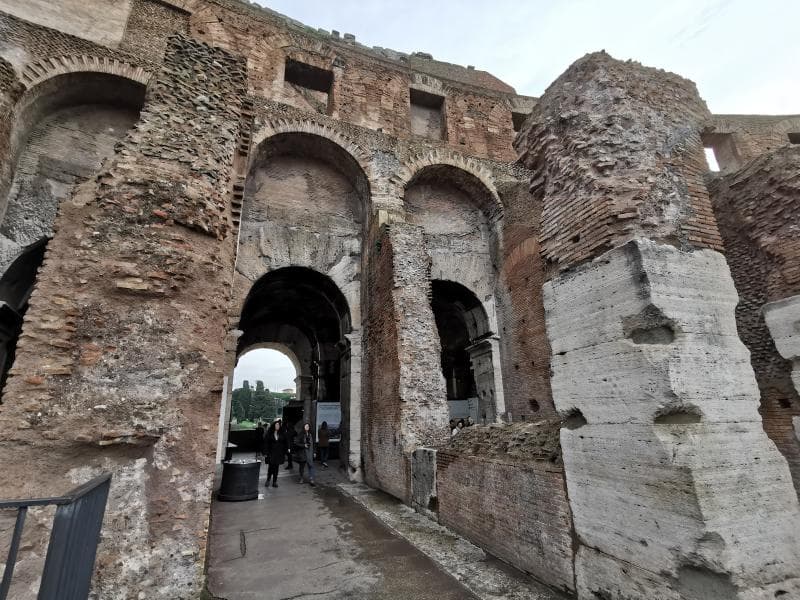
Step onto the Colosseum's arena floor through the Gladiator Gate in Rome, Italy. Discover its history, stories, and experience the ancient world.
Overview
Stepping into Rome's iconic Colosseum is a journey back in time, and for many, the 'Gladiator Gate' represents the most immersive way to connect with its ancient past. This specific entry point offers visitors a rare opportunity to follow in the footsteps of the gladiators, accessing the arena floor directly. Unlike general admission, which often provides a view from the upper tiers, entering through the Gladiator Gate places you right at the heart of where epic battles and grand spectacles unfolded. It’s an experience designed to evoke the raw excitement and formidable atmosphere that once captivated up to 80,000 spectators.
History & Cultural Background
The Colosseum, originally known as the Flavian Amphitheatre, was commissioned by Emperor Vespasian in 70 AD and completed by his son Titus in 80 AD, with further modifications under Domitian. This engineering marvel was the stage for gladiatorial contests, animal hunts, and public executions, serving as a symbol of Roman power and a means of entertaining the masses. In antiquity, the Colosseum boasted around 80 entrances, with four grand entrances located at the cardinal points. For the combatants, two gates held profound significance: the Porta Triumphalis, often called the 'Gate of Life' or 'Victory Gate', through which gladiators would parade before combat and victorious ones would exit; and the Porta Libitinaria, known as the 'Gate of Death', used to remove the bodies of the fallen.
What Makes It Special
The allure of the modern 'Gladiator Gate' lies in its ability to transport you directly into the arena's narrative. Visitors with special access tickets can walk onto the reconstructed arena floor, standing precisely where gladiators once fought for glory or survival. This unique perspective offers an unparalleled view of the Colosseum's scale, allowing one to truly grasp the grandeur of the amphitheatre from a gladiator's point of view, rather than looking down from the spectator stands. It provides an intimate connection to the historical events, making the ancient stones resonate with the echoes of ancient roars and the clang of swords.
Stories, Fun Facts & Local Details
Imagine the tension and adrenaline as gladiators emerged from the underground passages, known as the Hypogeum, onto the arena floor through these gates. Connected by tunnels to nearby training schools like the Ludus Magnus, the gladiators' barracks, these passages were a hidden world where fighters, animals, and elaborate stage machinery awaited their cue. The games often lasted all day, and the retractable awning, the 'Velarium', provided shade for spectators from the Roman sun. The seating within the Colosseum was rigidly stratified by social class, with the elite enjoying the closest views of the action, reflecting the strict social hierarchy of ancient Rome. The very ground beneath your feet holds stories of human drama, sacrifice, and entertainment on an epic scale.
Visitor Perspective
For those eager to experience the Colosseum from this unique vantage point, special access tickets are typically required. These tickets often include entry to the arena floor, allowing you to bypass the general entrance and delve straight into the heart of the amphitheatre. While the historical gates had distinct functions for entrance and exit, the modern 'Gladiator Gate' tour provides the immersive sensation of a gladiator's arrival. This experience is highly recommended for history enthusiasts and curious travelers alike, offering a profound sense of connection to the past. It transforms a visit from mere observation to an active engagement with one of the world's most enduring historical monuments. Remember to book these special access tours in advance, as they are popular and offer a truly unforgettable perspective on the Colosseum in Rome, Italy.
Coordinates: 12.4922, 41.8903
View on Google Maps💬 How Travelers Describe This Place
Based on community votes
Must See
836Beautiful
797Photogenic
695Interesting
396Unique
286
Traveler Stories
Discover memorable experiences shared by travelers who have visited this place.
No traveler stories yet.
Be the first traveler to share what made this place memorable.

Tour
By
Spot
Discover amazing places around the world. Your journey starts here.
Explore
© 2026 TourBySpot. All rights reserved.