Glacier Potholes
Lucerne, Switzerland
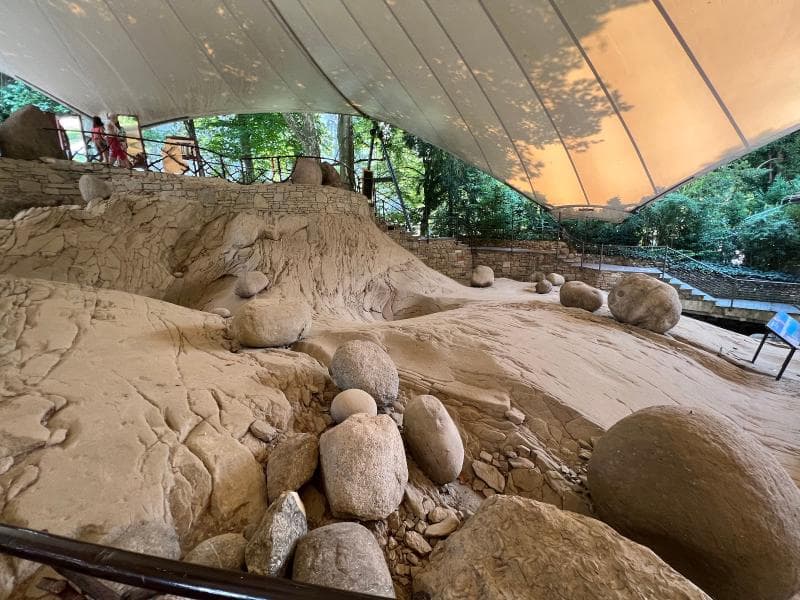
Explore Lucerne's Glacier Potholes in Switzerland: ancient Ice Age formations and subtropical fossils within Glacier Garden. Uncover millions of years of Earth's history.
Overview
In the vibrant city of Lucerne, Switzerland, the Glacier Potholes offer a profound glimpse into Earth's ancient past, forming a central attraction within the esteemed Glacier Garden. This unique natural monument stands as tangible evidence of dramatic geological eras, discovered quite by chance in 1872. The site features a captivating network of deep, cylindrical potholes, meticulously carved by powerful forces during the last Ice Age, approximately 20,000 years ago. Yet, remarkably, it also holds secrets of an even older, vastly different world: fossilized mussels, sea shells, and palm leaves attest to a time some 20 million years ago when Lucerne basked as a subtropical beach. Recognized as a geotope of national importance, the Glacier Potholes invite visitors to unravel millions of years of our planet's history.
History & Cultural Background
The intriguing history of the Glacier Potholes began in 1872 when local entrepreneur Josef Wilhelm Amrein-Troller planned to build a wine cellar. During excavation, workers unexpectedly unearthed these incredible formations, immediately transforming the intended cellar into a site of profound geological significance. Recognizing their unique value, Amrein-Troller promptly developed the area into a public attraction, establishing what is now considered Lucerne's oldest tourist site. The potholes are direct remnants of the last Ice Age, when the region was covered by an immense glacier, estimated to be 2,000 to 3,000 meters thick. Furthermore, the discovery of fossilized tropical flora and marine life revealed that this same spot was once beneath a warm, subtropical sea 20 million years prior, painting a vivid picture of extreme planetary change over eons.
What Makes It Special
What truly distinguishes the Glacier Potholes is the extraordinary narrative they tell about geological processes. These impressive, often eight-meter-deep, formations were not merely scooped out; they were painstakingly sculpted by subglacial meltwater. As torrents of water, laden with stones, surged under tremendous pressure beneath the ice, they created powerful vortexes that drilled into the bedrock, resulting in these perfectly circular depressions. This process vividly demonstrates the immense erosive power of ancient glaciers. The site's unique geological allure is further amplified by the presence of fossils from a subtropical past right alongside these Ice Age relics, offering a stark and compelling contrast. To ensure their preservation for future generations, the most significant potholes have been protected by a large tent roof since 1980, shielding them from environmental degradation.
Stories, Fun Facts & Local Details
The initial discovery of the Glacier Potholes is a tale of serendipity; Josef Wilhelm Amrein-Troller's quest for a wine cellar led instead to a profound natural wonder. Beyond the geological marvels, the Glacier Garden complex weaves in elements of fun and fantasy. Visitors can enter the renowned Alhambra Mirror Maze, a whimsical attraction built in 1896 with 90 mirrors that create delightful optical illusions and playful disorientations, inspired by the grand Spanish palace. An observation tower within the garden provides breathtaking panoramic views of Lucerne's cityscapes and the majestic surrounding Alps, grounding the ancient geological story within the contemporary beauty of Switzerland. Adjacent to the Glacier Garden, the iconic Lion Monument, a solemn rock relief commemorating the Swiss Guards, offers a powerful historical counterpoint, making for a rich combined cultural experience.
Visitor Perspective
Exploring the Glacier Potholes and the wider Glacier Garden is an accessible and enriching experience for any traveler in Lucerne. Its central location means it's just a pleasant 15-minute walk from the main train station and the historic Old Town, allowing for seamless integration into a city tour. Public transport, with buses stopping conveniently at Löwenplatz, also offers easy access. To ensure a comprehensive visit, audio guides are available in several languages, offering insightful commentary on the site's geology and history. The Glacier Garden is designed with visitor comfort in mind, offering barrier-free access in many areas, including its newer 'Rock World' exhibit. It serves as a tranquil green oasis amidst the urban environment, providing both educational engagement and a peaceful retreat. Combining a visit here with the nearby revered Lion Monument offers a complete immersion into Lucerne's natural and cultural heritage.
Coordinates: 8.310156, 47.057398
View on Google Maps💬 How Travelers Describe This Place
Based on community votes
Must See
910Unique
658Interesting
589Beautiful
374Photogenic
90
Traveler Stories
Discover memorable experiences shared by travelers who have visited this place.
No traveler stories yet.
Be the first traveler to share what made this place memorable.

Tour
By
Spot
Discover amazing places around the world. Your journey starts here.
Explore
© 2026 TourBySpot. All rights reserved.