Ginger Garden
Singapore, Singapore
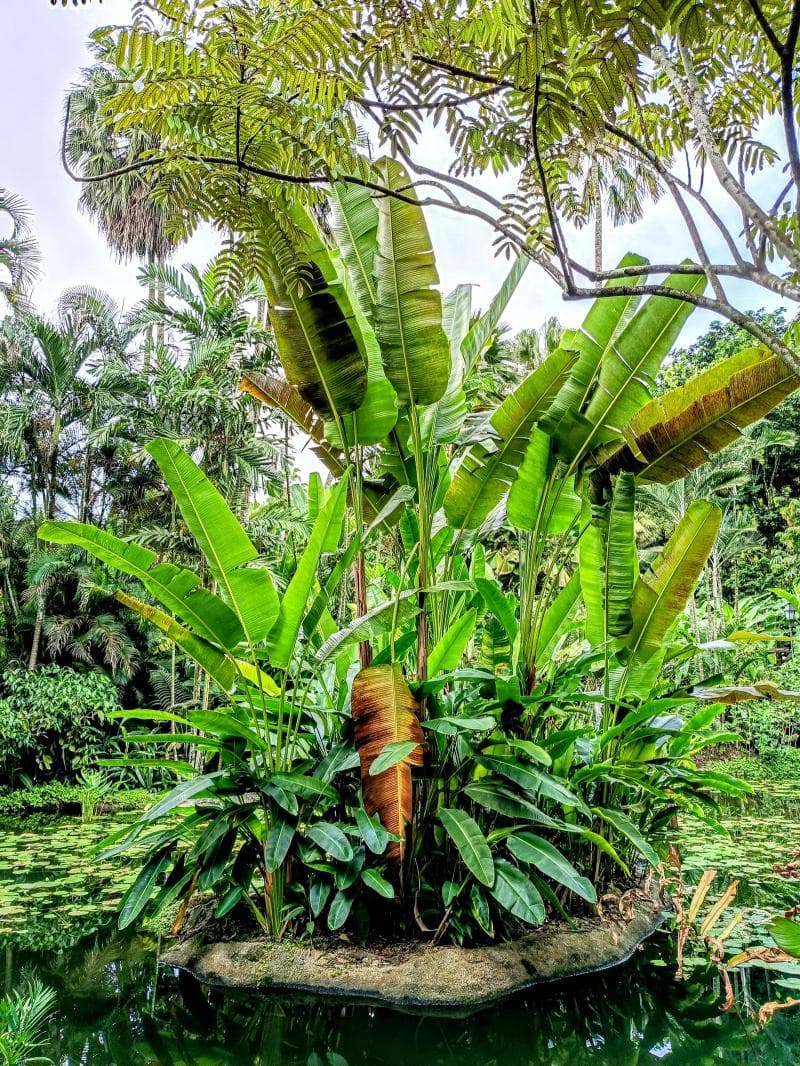
Explore Singapore's Ginger Garden in the Botanic Gardens, a lush sanctuary showcasing over 550 species of gingers and tropical plants. Discover its history and unique waterfall.
Overview
Nestled within the sprawling expanse of the Singapore Botanic Gardens, a UNESCO World Heritage Site, lies the remarkable Ginger Garden. This one-hectare sanctuary is a vibrant tribute to the diverse world of the ginger order, known scientifically as Zingiberales. Conceptualized in 1999 and officially unveiled on October 18, 2003, it invites visitors into a lush, tropical environment dedicated to showcasing the beauty and utility of these fascinating plants. The garden houses an impressive collection of over 550 species, varieties, and horticultural cultivars, creating a living exhibition of gingers and their close botanical relatives.
The Ginger Garden is thoughtfully organized into various exhibits, allowing a guided journey through different geographical origins and practical applications of these plants. Here, one can discover everything from edible gingers commonly used in daily cooking to spectacular ornamental species with striking flowers and foliage. The landscape is dotted with picturesque features, including a captivating waterfall that visitors can walk behind, a serene pool adorned with giant Amazon water lilies, and the charming Ginger Shelter which provides educational insights.
History & Cultural Background
The Singapore Botanic Gardens, established in 1859, has a long-standing tradition of botanical research and conservation, with gingers being a significant focus since its inception. Pioneering botanists such as H.N. Ridley, the first Director, and R.E. Holttum, the third Director, conducted extensive studies on Southeast Asian flora, including numerous ginger species, and their works remain foundational in the field. Their contributions laid the groundwork for the comprehensive collection seen today, demonstrating the Gardens' commitment to scientific understanding and preservation of tropical plant diversity. The creation of the Ginger Garden in the early 2000s further solidified this legacy, providing a dedicated space to educate the public about the importance and beauty of the ginger family.
Gingers hold considerable cultural significance, particularly in the Asia-Pacific region, which boasts the greatest diversity of these species. Many are integral to local culinary traditions, serving as spices or vegetables. For instance, the Torch Ginger (Etlingera elatior), known locally as ‘Kantan’, is a prominent ornamental plant native to Southeast Asia whose young flower buds are used in various Asian dishes, adding a unique piquant and floral fragrance. Beyond cuisine, some ginger relatives have medicinal properties and have been used in traditional rituals and medicines for centuries.
What Makes It Special
The Ginger Garden's distinctiveness lies in its comprehensive and thoughtfully curated collection of Zingiberales. This botanical order encompasses not only true gingers but also a fascinating array of related families like bananas, heliconias, bird-of-paradise plants, and prayer plants. Visitors are treated to an unparalleled opportunity to observe a wide spectrum of these plants, many of which are rare or endangered species. The garden's design allows for an immersive experience, showcasing plants organized by their geographical origins—from the richly diverse Asia-Pacific region to the tropical Americas and Africa.
A standout feature is the garden's iconic waterfall, which offers a unique perspective as visitors can walk directly behind the cascading water. Adjacent to it, a tranquil pool hosts giant Amazon water lilies, adding another layer of natural splendor. The presence of Halia Restaurant, whose name means ginger in Malay, offers a delightful culinary extension of the garden's theme, serving dishes infused with the very plants celebrated around it.
Stories, Fun Facts & Local Details
The Ginger Garden is a treasure trove of botanical marvels. Did you know that some ginger species can grow over 10 meters tall, while others are tiny plants only a few centimeters in height? The Torch Ginger, with its showy, waxy inflorescence, is so captivating that its vibrant colours—ranging from pure white to bright red—inspired the Ginger Garden's logo.
The meticulous research conducted at the Singapore Botanic Gardens has led to important discoveries, including the identification of new ginger species. In 2014, a critically endangered ginger species native to Singapore, Zingiber singapurense, or the Singapore ginger, was published. The delicate nature of many ginger flowers is another intriguing fact; some only last for a single day, making each visit potentially unique. The Ginger Shelter provides engaging panels that explain fascinating aspects like pollination, seed dispersal, ecology, and the history of ginger research in Singapore.
Visitor Perspective
Visiting the Ginger Garden offers a tranquil escape and an enriching educational experience. It is designed for curious travelers seeking both beauty and knowledge. The garden's layout encourages leisurely strolls, with clear pathways guiding visitors through its diverse zones. The cool, humid environment is perfect for appreciating the delicate details of the plants, from the intricate leaves of prayer plants to the striking blooms of heliconias.
The waterfall is a popular spot for photography, providing a scenic backdrop for memorable pictures. While some gingers are always in bloom, the period between June and August is often cited as the best time to witness the garden's full splendor, though regular visits throughout the year promise new discoveries. As part of the larger Singapore Botanic Gardens, entry to the Ginger Garden itself is free, making it an accessible and rewarding destination for plant enthusiasts and casual visitors alike.
Coordinates: 103.8162, 1.3151
View on Google Maps💬 How Travelers Describe This Place
Based on community votes
Must See
913Photogenic
748Interesting
499Beautiful
337Unique
94
Traveler Stories
Discover memorable experiences shared by travelers who have visited this place.
No traveler stories yet.
Be the first traveler to share what made this place memorable.

Tour
By
Spot
Discover amazing places around the world. Your journey starts here.
Explore
© 2026 TourBySpot. All rights reserved.