Georgian National Museum
Tbilisi, Georgia
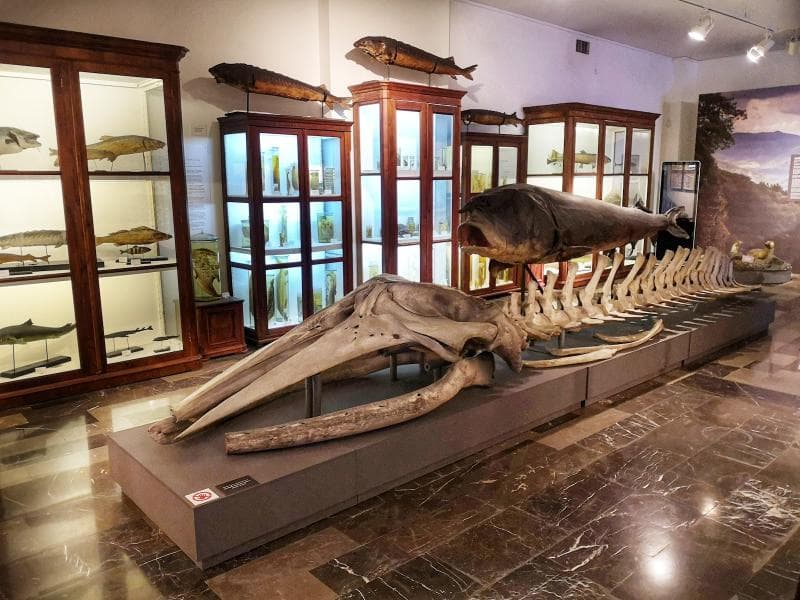
Explore the Georgian National Museum in Tbilisi, Georgia, home to ancient gold treasures, Dmanisi hominins, and a powerful Soviet Occupation exhibit.
Overview
Stepping into the Georgian National Museum on Tbilisi's bustling Rustaveli Avenue is like embarking on a captivating journey through millennia of history, culture, and human ingenuity. More precisely, visitors explore the Simon Janashia Museum of Georgia, which serves as the central and main historical building of the larger Georgian National Museum network. This venerable institution, situated at 3 Shota Rustaveli Avenue, stands as the country's principal repository of historical and cultural artifacts, offering an unparalleled insight into Georgia's ancient past and its complex modern narrative. It’s an essential first stop for anyone eager to understand the rich tapestry that is Georgian heritage, right in the heart of the capital city.
From the moment you enter, the museum invites you to delve into a world where prehistory meets the contemporary. Its extensive collections are meticulously curated across several floors, providing a comprehensive overview of Georgia's development. Whether you are a history enthusiast, an archaeology buff, or simply a curious traveler, the Georgian National Museum promises a profound and enriching experience, setting the stage for further exploration of this fascinating country.
History & Cultural Background
The roots of the Georgian National Museum stretch back to 1852, when it originated as the Museum of the Caucasus department of the Russian Imperial Geographic Society, making it Georgia's oldest museum. Over the decades, it underwent several transformations and name changes, reflecting the shifting political landscapes of the region. A significant milestone occurred in 2004 when the Georgian National Museum was formally established as an umbrella organization, unifying more than a dozen museums, galleries, and research institutions across Georgia into a single, cohesive network. This unification aimed to preserve the nation's rich cultural heritage and coordinate extensive research and educational activities.
The current building, designed by architect Nikolay Severov with distinctive medieval Georgian decorative motifs, dates back to 1910, lending it a majestic presence on Rustaveli Avenue. The museum has endured periods of immense challenge, including a fire and the dramatic evacuation of its entire collection to France in 1921 during the Soviet takeover. This invaluable collection was famously returned by the dedicated scholar Ekvtime Takaishvili in 1945, ensuring that Georgia's heritage remained accessible to its people and the world. Today, it proudly showcases the enduring spirit of the Georgian nation.
What Makes It Special
What truly sets the Georgian National Museum apart is the incredible breadth and significance of its collections, offering unique insights into human history far beyond Georgia's borders. One of its crown jewels is the Archaeological Treasury, located in the basement. Here, visitors can marvel at remarkable gold and silver objects, including jewelry, ceremonial items, and vessels, discovered at archaeological sites across Georgia. These treasures, some dating from the third millennium BC, are associated with ancient civilizations like Colchis and Iberia, and the Trialeti culture. Their exquisite craftsmanship highlights Georgia's deep connection to important cultural and trade networks of the ancient world.
Another profoundly special exhibit focuses on the Dmanisi hominins. These approximately 1.8-million-year-old human fossils are considered the oldest human remains found outside of Africa, dramatically reshaping our understanding of early human migration. The museum also features a poignant and essential Soviet Occupation Exhibition, documenting the period of Soviet rule from 1921 to 1991. This section, with its use of documents, photographs, and testimonies, provides a powerful and educational look at the struggles and resistance faced by Georgians during this era. Furthermore, the museum reveals Georgia's potential as the birthplace of winemaking, with 4th millennium BC vessels found to contain wine residue.
Stories, Fun Facts & Local Details
The museum holds narratives that resonate with ancient myths and modern struggles. The glittering gold artifacts from ancient Colchis housed in the Archaeological Treasury evoke the legendary 'Golden Fleece' and Jason's Argonauts. Visitors can almost imagine the rich historical landscapes from which these pieces emerged. It's fascinating to consider that the territory of modern Georgia was a hub of advanced metallurgy thousands of years ago, as evidenced by the intricate goldwork.
Beyond the grandeur, there are human stories. The exhibition on Soviet Occupation offers a stark reminder of recent history, showcasing documents and personal accounts that tell of repression, deportations, and the unwavering spirit of resistance. It's a testament to the Georgian people's resilience and their enduring fight for independence. The museum's very existence, having survived fires and the displacement of its collections, speaks volumes about the value Georgians place on their heritage.
Visitor Perspective
For a first-time visitor to Tbilisi, the Georgian National Museum is an invaluable introduction to the country. Its central location on Rustaveli Avenue, near landmarks like Freedom Square and the Parliament, makes it easily accessible by public transport or on foot. Most visitors recommend allocating between 1.5 to 3 hours to explore the main highlights, though a deeper dive into the extensive collections could easily fill a half-day. English-language descriptions are available for most exhibits, and guided tours can provide even deeper context. The museum's quiet halls offer a contemplative space, contrasting with the vibrant city outside, inviting reflection on Georgia's long and often tumultuous history. Visiting during weekdays, especially in the morning, is often recommended to avoid crowds and fully appreciate the exhibits at a relaxed pace.
Coordinates: 44.8002208, 41.6960428
View on Google Maps💬 How Travelers Describe This Place
Based on community votes
Unique
703Must See
521Photogenic
380Interesting
291Beautiful
28
Traveler Stories
Discover memorable experiences shared by travelers who have visited this place.
No traveler stories yet.
Be the first traveler to share what made this place memorable.

Tour
By
Spot
Discover amazing places around the world. Your journey starts here.
Explore
© 2026 TourBySpot. All rights reserved.