Genocide Museum
Yerevan, Armenia
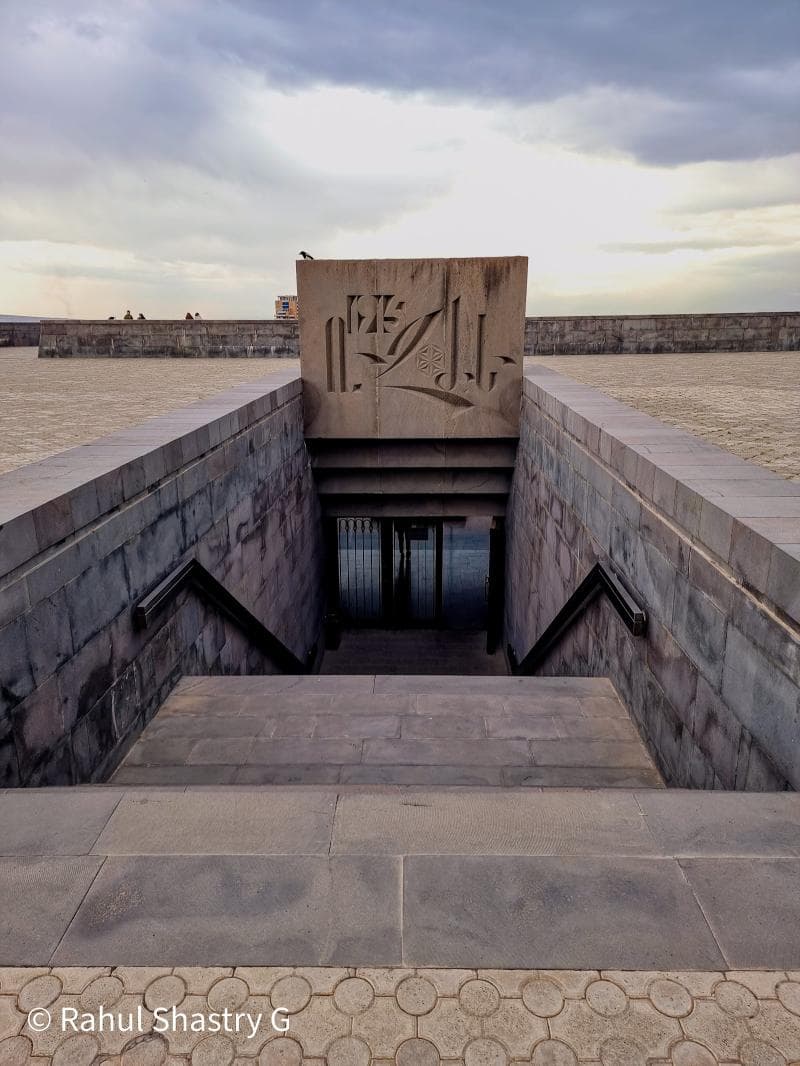
Explore the Armenian Genocide Museum in Yerevan, Armenia. Discover its poignant exhibits, historical context, and the enduring memory of the 1915 genocide.
Overview
The Armenian Genocide Museum-Institute, an integral part of the Tsitsernakaberd Armenian Genocide Memorial Complex in Yerevan, Armenia, stands as a poignant beacon of memory and education. Established in 1995, this vital institution commemorates the 1.5 million Armenians who tragically perished during the 1915-1923 genocide. Beyond its exhibition role, it serves as a crucial research center, committed to preserving historical truth and fostering global understanding of this dark chapter. Located on Tsitsernakaberd Hill, the museum respectfully integrates with the broader memorial, offering visitors a profound journey into Armenia's enduring history. Entry is free, welcoming all who seek knowledge and reflection.
History & Cultural Background
The genesis of the Tsitsernakaberd Memorial Complex stems from the powerful 1965 Yerevan demonstrations, where hundreds of thousands rallied to mark the 50th anniversary of the Armenian Genocide. Construction began in 1966, completed in 1967, swiftly becoming a national pilgrimage site. The Armenian Genocide refers to the systematic extermination and forced displacement of ethnic Armenians from their ancestral lands within the Ottoman Empire, orchestrated by the Turkish government between 1915 and 1923. This immense tragedy, decimating the Ottoman Empire's Armenian population and erasing a 3,000-year-old civilization, is widely recognized as the first modern genocide. The Museum-Institute's opening in 1995, marking the 80th anniversary, solidified Armenia's resolve to uphold remembrance and prevent future atrocities.
What Makes It Special
The Armenian Genocide Museum-Institute is distinguished by its respectful design and impactful exhibits. Built into the hillside, its structure maintains a discreet profile, intentionally not overshadowing the main memorial. This architectural humility ensures the memorial, with its iconic 44-meter stele and symbolic circle of 12 inward-leaning basalt slabs, retains visual prominence, representing national rebirth and the twelve lost provinces of Western Armenia. Inside, the museum's twelve exhibition halls meticulously unveil a chronological narrative. Visitors encounter rare photographs, official documents, detailed maps, and poignant survivor testimonies, providing a harrowing account. Exhibits vividly portray deportations, massacres, and suffering, alongside efforts of fact-finding and international relief. Beyond history, the museum's atmosphere compels deep reflection, echoing a universal plea against genocide. From its flat roof, a panorama unfolds, revealing the scenic Ararat Valley and the majestic Mount Ararat, a powerful symbol of Armenian heritage and resilience.
Stories, Fun Facts & Local Details
The name 'Tsitsernakaberd' is steeped in local lore, translating to 'swallow's fortress,' linked to an ancient legend of swallows aiding pagan gods. This poetic connection adds cultural depth. A profoundly moving local tradition is the annual pilgrimage on April 24th, Armenian Genocide Remembrance Day. Hundreds of thousands ascend Tsitsernakaberd Hill, reverently placing fresh flowers around the Eternal Flame. This collective act forms a vibrant, ever-growing floral tribute, symbolizing enduring grief and unwavering remembrance. The memorial's design is rich with symbolism: the twelve basalt slabs encircling the Eternal Flame signify the twelve historical provinces of Western Armenia. The striking 44-meter stele, with its subtle split, represents the divided Armenian nation and national rebirth. Adjacent, a 100-meter wall bears engraved names of towns and villages where massacres and deportations occurred, a stark geography of loss. An alley of trees planted by foreign leaders underscores international solidarity.
Visitor Perspective
A visit to the Armenian Genocide Museum-Institute demands emotional preparedness and thoughtful engagement. While admission is free, voluntary donations are appreciated, supporting the institution's vital mission. For deeper understanding, guided tours are highly recommended, available in multiple languages and reservable in advance. Due to graphic and sensitive subject matter, the museum is not advised for young children. Visitors should plan approximately 2-3 hours to explore the exhibits and memorial. The museum cultivates a solemn and reflective atmosphere, designed for a respectful and impactful encounter with history. Many describe their time here as a deeply moving, sobering, and essential pilgrimage, fostering appreciation for peace and renewed commitment to humanity.
Coordinates: 44.4877, 40.1848
View on Google Maps💬 How Travelers Describe This Place
Based on community votes
Unique
998Must See
817Beautiful
711Interesting
641Photogenic
196
Traveler Stories
Discover memorable experiences shared by travelers who have visited this place.
No traveler stories yet.
Be the first traveler to share what made this place memorable.

Tour
By
Spot
Discover amazing places around the world. Your journey starts here.
Explore
© 2026 TourBySpot. All rights reserved.