Gardens
Marseille, France
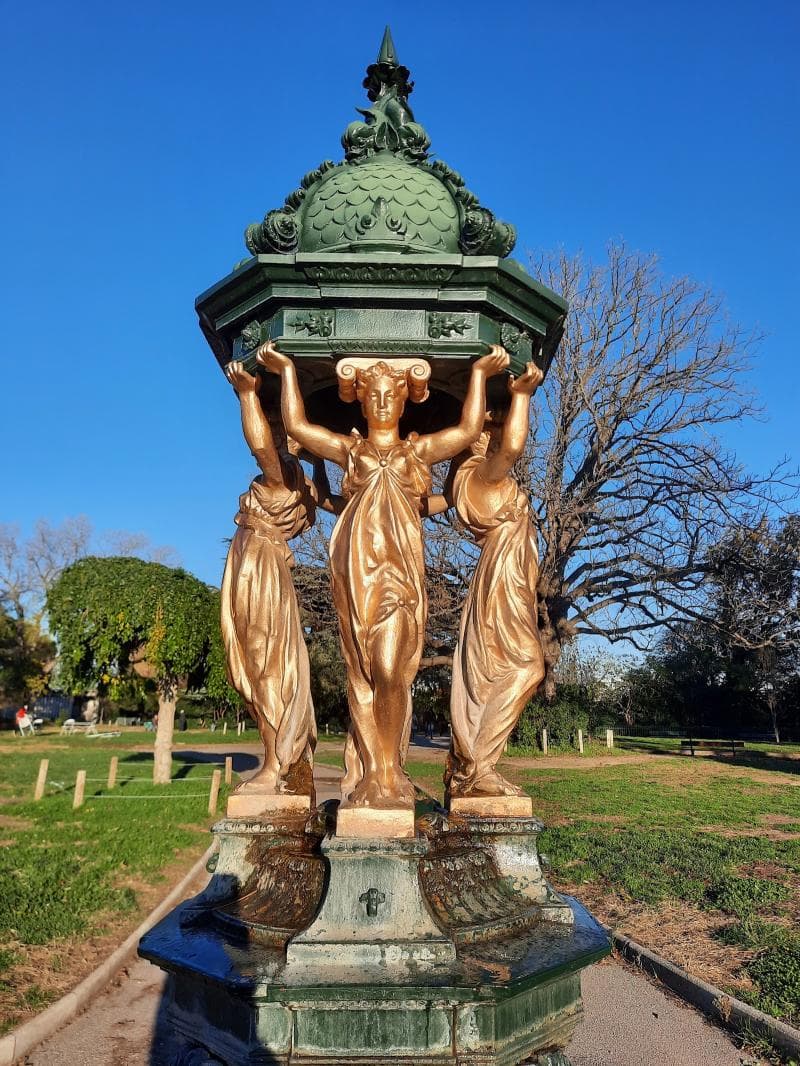
Explore the Gardens of Palais Longchamp in Marseille, France, a Remarkable Garden featuring French and English styles, a historic zoo, and a monumental water tower.
Overview
Nestled in the heart of Marseille, France, the Gardens of Palais Longchamp offer a sprawling 8-hectare green oasis that combines monumental architecture with tranquil natural beauty. More than just a park, this site is a testament to human ingenuity and a beloved retreat for both locals and travelers alike. It was recognized as a 'Remarkable Garden of France' by the Ministry of Culture in 2005, a distinction reflecting its significant botanical, cultural, and historical value.
The gardens are primarily divided into two distinct styles: the formal 'Jardin du Plateau' and the more picturesque 'Zoological Garden'. These diverse landscapes invite visitors to explore manicured French parterres, wander through winding English-style paths, and discover echoes of its past as a vibrant zoo. Entry to the gardens is completely free, making it an accessible and cherished destination for anyone seeking a blend of history, culture, and nature in the bustling city of Marseille.
History & Cultural Background
The very existence of Palais Longchamp and its exquisite gardens is rooted in a pivotal moment in Marseille's history: the arrival of water from the Durance River via the Canal de Marseille. For decades, Marseille grappled with severe water shortages, a crisis tragically underscored by a devastating cholera epidemic in 1835. This urgent need for a reliable water supply spurred an ambitious engineering feat: the construction of a 93-kilometer canal that took 15 years to complete, finally bringing vital water to the city in 1849.
To commemorate this monumental achievement, architect Henri-Jacques Espérandieu, also known for his work on Notre-Dame de la Garde, was commissioned to design a grand monument. The Palais Longchamp and its surrounding gardens were officially inaugurated in 1869, transforming a crucial public utility into a breathtaking work of art and a symbol of life and prosperity.
What Makes It Special
What sets the Gardens of Palais Longchamp apart is their unique fusion of monumental architecture with varied horticultural design, all celebrating a singular theme: water. The central fountain, known as the 'château d'eau' or water tower, is an artistic marvel featuring sculptures that depict the Durance River and figures symbolizing fertility and abundance, such as grapes and wheat, pulled by four powerful bulls.
Behind this grand facade lie two distinct garden experiences. The 'Jardin du Plateau' presents a classic French garden style with its formal symmetry and wide paths, harmonizing with the palace's grandeur. In contrast, the 'Zoological Garden' offers a picturesque, English-style landscape, still retaining the enchanting, albeit deserted, oriental pavilions and ornate cages from its former life as a zoo. Since 2013, some of these historic enclosures have been playfully re-inhabited by colorful, life-size fiberglass animal sculptures, adding a whimsical touch to the historic setting.
Adding to its allure is the historic Marseille Observatory, established in 1864 within the gardens. For a century, it proudly housed what was once the world's largest telescope, serving as a significant research laboratory. Today, it remains a scientific attraction, offering planetarium sessions and astronomical activities.
Stories, Fun Facts & Local Details
The Palais Longchamp gardens are rich with stories, offering more than just scenic views. A charming detail often missed by hurried visitors is the man-made grotto nestled behind the central fountain, adorned with carved stalactites and nymphs, a hidden gem that further emphasizes the theme of water and nature.
The former Zoological Garden, once the first provincial zoo in France, holds a special place in the city's memory. Though it closed in 1987 due to evolving public perspectives on traditional zoos, its evocative structures remain, including pavilions for giraffes and elephants, some decorated with Turkish tiles. Interestingly, the giraffe house has been imaginatively repurposed into a children's theater, continuing its legacy of delighting younger generations. Some of the zoo's animals even found their final resting place, preserved, in the Natural History Museum located within the Palais. Visitors might also encounter the resident peacocks, whose striking calls and elegant presence add to the gardens' charm.
Beyond its permanent features, the Parc Longchamp serves as a vibrant cultural hub, hosting various events throughout the year. It's famously known for being one of the venues for the 'Marseille Jazz Festival of the Five Continents' every summer, transforming the green space into an open-air concert hall.
Visitor Perspective
The Gardens of Palais Longchamp welcome visitors daily, offering a serene escape and a captivating journey through history and nature. As a traveler, you can freely explore the expansive park from early morning until dusk, making it a perfect spot for a leisurely stroll, a family picnic, or simply quiet contemplation amidst the greenery.
For those interested in delving deeper, allow approximately two to three hours to comfortably explore both the gardens and the two museums housed within the Palais: the Musée des Beaux-Arts and the Muséum d'Histoire Naturelle. Children will particularly enjoy the former zoo area with its colorful fibreglass animals and playgrounds, as well as the interactive displays at the Natural History Museum. Don't miss the opportunity to ascend to the water tower viewing point, which offers a unique perspective over the formal gardens and a panoramic view of Marseille.
Getting to this urban sanctuary is convenient, with public transport options including the Marseille Metro line 1 (alight at Cinq Avenues – Longchamp station) or various bus and streetcar lines. Whether you're seeking cultural enrichment, a peaceful break, or a fun outing with family, the Gardens of Palais Longchamp provide a memorable experience that truly captures the spirit of Marseille.
Coordinates: 5.396735124941361, 43.30543924186786
View on Google Maps💬 How Travelers Describe This Place
Based on community votes
Must See
995Unique
929Photogenic
858Beautiful
730Interesting
275
Traveler Stories
Discover memorable experiences shared by travelers who have visited this place.
No traveler stories yet.
Be the first traveler to share what made this place memorable.

Tour
By
Spot
Discover amazing places around the world. Your journey starts here.
Explore
© 2026 TourBySpot. All rights reserved.