Gardens
Marseille, France
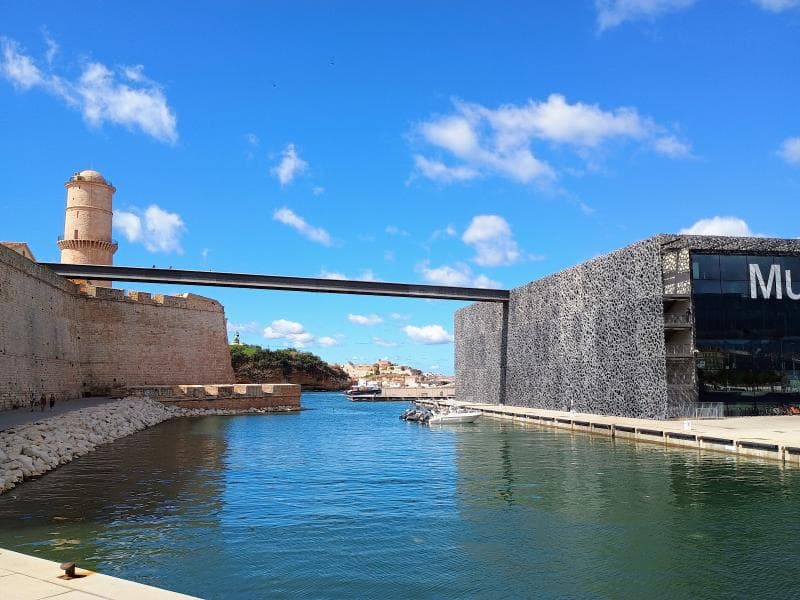
Explore the Jardin des Migrations at Fort Saint-Jean in Marseille, France. Discover its unique botanical collection and panoramic views.
Overview
Nestled within the historic walls of Fort Saint-Jean in Marseille, France, lie the captivating Gardens, officially known as the Jardin des Migrations. This sub-spot is an integral part of the larger Museum of Civilizations of Europe and the Mediterranean (MuCEM) complex, offering visitors a unique blend of history, culture, and nature. Spanning an impressive 12,000 square meters, these Mediterranean gardens provide a tranquil green interlude in the heart of the bustling city. Free access to the outdoor landscaped areas allows everyone to explore and enjoy this revitalized public space. The gardens are thoughtfully designed to connect seamlessly with both the contemporary architecture of the MuCEM via a striking footbridge and the ancient charm of the Panier district via another, creating a continuous and enriching urban itinerary for curious travelers.
History & Cultural Background
The very ground upon which the Jardin des Migrations flourishes is steeped in centuries of history. Fort Saint-Jean itself traces its origins back to the 12th century, initially serving as a commandery for the Knights Hospitaller of Saint John of Jerusalem, a pivotal point for crusaders embarking on journeys to the Holy Land. Later, in the 17th century, the fort was fortified under the orders of Louis XIV, solidifying its military importance in defending and controlling Marseille. However, the gardens in their current form are a much more recent addition. The Jardin des Migrations was conceptualized and opened in 2014, designed by Agence APS. Its creation was a visionary effort to extend the narrative of the MuCEM, physically and metaphorically linking Marseille’s storied past—as a historic port of arrival and departure for both people and plants—to its vibrant present.
What Makes It Special
The Jardin des Migrations is far more than just a collection of plants; it is a 'cultural garden' and a 'living book' that tells the story of Mediterranean biodiversity and human interaction. What makes it truly special is its thematic approach: a unique botanical collection showcasing plant migrations and the blending of cultures around the Mediterranean basin. Designed as a dry garden, it features an ethnobotanical trail that delves into the traditional uses of plants across Jewish, Muslim, and Christian pharmacopoeias. Visitors can wander through distinct sections, such as the orange courtyard, the myrtle garden, and areas dedicated to vegetables and wind-adapted flora. These 'sixteen scenes' or 'fifteen tableaux' offer a sensory journey through different Mediterranean landscapes. Beyond the botanical wonders, the elevated position of the gardens within Fort Saint-Jean provides breathtaking panoramic views of the Old Port, the city of Marseille, and the vast expanse of the Mediterranean Sea, seamlessly blending natural beauty with historical grandeur.
Stories, Fun Facts & Local Details
The very concept of the Jardin des Migrations encourages a reflective journey, inviting visitors to 'get lost' and uncover the layers of natural and human history interwoven within its pathways. It beautifully illustrates the inseparable connection between cultures and landscapes throughout the Mediterranean region, prompting contemplation on themes of permeability, flux, and evolution. For instance, the 'garden of Canebière and Auffes', situated on the lower bastion, offers a subtle nod to Marseille’s historical importance in rope-making and esparto goods, reflecting the view of the Old Port and the famous Canebière avenue. The vibrant orange grove acts as a symbolic gateway, drawing visitors into the heart of the Mediterranean experience with its fragrant blossoms and fruits. Specific plant species, like the common myrtle (Myrthus communis), jasmine (Jasminum officinale), caper (Capparis spinosa), and various thymes and lavenders, are carefully curated to tell this story, each with its own cultural and historical significance. The fort’s terraces, once purely defensive structures, now serve as versatile public spaces, often hosting cultural events and performances in connection with the MuCEM, adding another dimension to the visitor's experience.
Visitor Perspective
Visiting the Gardens at Fort Saint-Jean is an accessible and enriching experience for travelers of all interests. The outdoor areas are freely accessible, making it an ideal spot for a leisurely stroll or a quiet moment of contemplation. Well-maintained paths, often made of rolled or crushed aggregate, ensure easy navigation through the diverse landscapes. While enjoying the natural beauty, visitors are kindly reminded that the Jardin des Migrations is a fragile ecosystem; therefore, staying on designated paths, refraining from walking on lawns, picking plants, or picnicking outside specified areas helps preserve its delicate balance. The gardens offer a unique opportunity to appreciate Marseille’s history and natural environment from a fresh perspective, combining stunning vistas with botanical intrigue. Whether you're connecting from the MuCEM or simply exploring the historic Fort Saint-Jean, the gardens provide an immersive journey through the Mediterranean's ecological and cultural tapestry.
Coordinates: 5.36221, 43.29492
View on Google Maps💬 How Travelers Describe This Place
Based on community votes
Interesting
995Unique
964Must See
926Photogenic
730Beautiful
482
Traveler Stories
Discover memorable experiences shared by travelers who have visited this place.
No traveler stories yet.
Be the first traveler to share what made this place memorable.

Tour
By
Spot
Discover amazing places around the world. Your journey starts here.
Explore
© 2026 TourBySpot. All rights reserved.