Gardens
San Francisco, United States
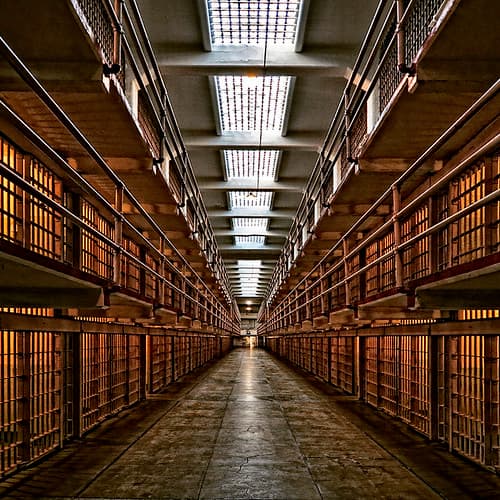
Discover the hidden beauty of the Gardens on Alcatraz Island, San Francisco, United States. Explore a surprising historical oasis tended by former residents and volunteers.
Overview
Beyond the stark walls and infamous cells of Alcatraz Island in San Francisco, United States, lies a surprising and vibrant landscape: the historic Gardens. These cultivated spaces offer a profound contrast to the island's formidable reputation, transforming a once-barren rock into a testament to human resilience and nature's enduring power. Maintained largely by dedicated volunteers today, these gardens are not merely decorative; they are a living part of Alcatraz's complex narrative, preserving a legacy that spans over 150 years and reflecting the persistent human need for beauty.
History & Cultural Background
Initially a barren, guano-encrusted rock, Alcatraz's green transformation began in the mid-1800s. Military families, seeking to soften their isolated posting, imported soil and established Victorian-style gardens. Incarcerated soldiers also contributed, planting numerous trees and shrubs. When Alcatraz became a federal penitentiary in 1934, gardening continued. Correctional officers' families and, remarkably, some inmates, found solace in these plots. Figures like warden's secretary Freddie Reichel encouraged these efforts, recognizing the therapeutic value. Inmate gardeners such as Elliott Michener, Albert Smith, and Richard Franseen discovered purpose and creativity amidst the harsh prison environment. These gardens, filled with roses, herbs, and wildflowers, served as vital beacons of hope. Following the prison's closure in 1963, the gardens were abandoned and severely overgrown for decades. A significant restoration project, initiated in 2003 by the Garden Conservancy, Golden Gate National Parks Conservancy, and National Park Service, has since brought these historic landscapes back to life.
What Makes It Special
The Gardens of Alcatraz are extraordinary due to their improbable location, a vivid natural contrast to 'The Rock's' grim history. What truly sets them apart are the 'survivor plants' – resilient species like roses, fuchsias, and succulents that endured decades of neglect, standing as living links to the island's past inhabitants. Many of these plants, some imported from Mediterranean climates, thrived despite Alcatraz's challenging conditions of fog, strong winds, and minimal rainfall. Today, dedicated volunteers lovingly care for the gardens, preserving this unique horticultural heritage. They even employ a rainwater catchment system for sustainable watering. The gardens are a collection of distinct parcels, each with its own story, including the elegant Rose Terrace, the utilitarian Officers' Row Gardens, and the more secluded Prisoner Gardens.
Stories, Fun Facts & Local Details
The gardens are rich with human stories of solace and resilience. Military wives, isolated on the island, found comfort in cultivating their Victorian gardens. During the federal prison era, inmate Elliott Michener (AZ-578) spent nine years tending gardens, building a greenhouse, and ordering seeds, finding 'a lasting interest in creativity' through this work. Fred Reichel, the warden's secretary, observed that many 'tough plants' thrived 'on neglect or even downright abuse,' mirroring the spirit of the gardeners themselves. These narratives underscore the gardens' role as a psychological refuge. A fascinating historical detail is the planting of agave along some trails by prison guards in the 1930s and '40s, not just for beauty but also as a natural barrier to deter potential escape accomplices from landing boats. For a unique experience, becoming a garden volunteer offers the opportunity to arrive before other visitors, enjoying a tranquil morning amidst the blossoms.
Visitor Perspective
Visiting the Gardens of Alcatraz offers a refreshing counterpoint to the island's solemn history, revealing 'The Rock's softer side.' Travelers can wander through these vibrant spaces, encountering a diverse array of flora, from fragrant roses to hardy succulents, all set against breathtaking views of the San Francisco Bay and city skyline. The restored gardens showcase historical plant varieties and illustrate the enduring importance of green spaces for the human spirit and the principles of sustainable gardening. Docent-led tours provide deeper insights into the horticultural and human stories behind each parcel. While accessible year-round, spring and summer (May through September) are considered the best times to witness the full splendor of the blooms. It's a chance to connect with a compelling aspect of Alcatraz's past, leaving visitors with a richer understanding of the island's layered history and the universal human desire to cultivate beauty in unexpected places.
Coordinates: -122.4233, 37.8267
View on Google Maps💬 How Travelers Describe This Place
Based on community votes
Beautiful
963Unique
723Photogenic
482Must See
463Interesting
274
Traveler Stories
Discover memorable experiences shared by travelers who have visited this place.
No traveler stories yet.
Be the first traveler to share what made this place memorable.

Tour
By
Spot
Discover amazing places around the world. Your journey starts here.
Explore
© 2026 TourBySpot. All rights reserved.